

Guide to Crypto Trading in Kenya
📈 Explore crypto trading in Kenya with this practical guide! Learn strategies, market basics, risk management, and stay secure in local crypto space.
Edited By
Isabella Ward
Cryptocurrency trading has gained quite a following in Kenya over the past few years, attracting traders, investors, and entrepreneurs eager to tap into the digital currency space. Among the many platforms, Binance stands out as one of the largest and most popular exchanges worldwide. But many Kenyans ask: Is Binance legal here? What does the law say about using such a platform?
The legal position of Binance in Kenya isn’t straightforward. Currently, the Central Bank of Kenya (CBK) and other authorities haven’t banned cryptocurrency outright, but they haven’t formally approved it as legal tender either. This means Binance operates in a grey area. The government warns the public about risks associated with crypto trading, including scams and lack of consumer protections.

While Binance itself isn’t illegal in Kenya, traders must be aware that the platform and cryptocurrencies are not officially regulated under Kenyan financial law.
Crypto trading in Kenya is mostly unregulated, although the Capital Markets Authority (CMA) has been studying how to address this sector. Until clearer regulations come through, platforms like Binance do not have local licences. This creates risks — for instance, should any dispute arise with Binance, Kenyan users may find limited avenues for legal recourse.
Still, Kenyans continue to use Binance for its wide range of crypto options, competitive fees, and user-friendly interface. Many traders use M-Pesa or bank transfers to fund their Binance wallets through third-party sellers or P2P market features, although these methods require careful attention to avoid fraud.
Some practical tips for Kenyan users interested in Binance include:
Verify sellers carefully when funding your Binance account via P2P.
Keep track of your transactions and wallet addresses.
Stay updated on any government advisories related to crypto.
Consider the tax implications, as KRA has shown interest in monitoring digital assets.
Understanding the current regulatory environment helps Kenyan traders make informed choices and reduce risks. While Binance remains accessible, it’s wise to trade cautiously and expect that rules could change rapidly as Kenya develops its crypto policy framework.
Understanding cryptocurrency regulation in Kenya is key for traders and investors who want to operate legally and safely. Knowing the local rules can help you navigate risks, avoid penalties, and better assess which platforms to trust. This section highlights Kenya's current stance, regulatory gaps, and how authorities approach crypto trading within existing financial laws.
Kenya lacks specific laws solely dedicated to cryptocurrencies. This means there is no clear legal status or licensing regime tailored to digital currencies yet. For instance, while Bitcoin is widely traded, no Kenyan legislation explicitly recognises it as legal tender or regulates its exchange platforms. This regulatory gap creates uncertainty for both users and service providers.
In practice, existing financial laws still apply to aspects of crypto trading. The Central Bank of Kenya Act, for example, covers currency issuance and exchange mechanisms, indirectly affecting crypto activities. Money laundering regulations and anti-terrorism laws also come into play, requiring some compliance measures even for unregulated crypto platforms. The Financial Reporting Centre periodically issues guidelines that could cover suspicious transactions involving cryptocurrencies.
The Central Bank of Kenya (CBK) plays a significant role in shaping Kenya's crypto environment. Though CBK has not authorised any crypto as legal tender, it monitors developments closely and warns Kenyan banks against facilitating crypto transactions, citing concerns over fraud and financial instability. Through statements and circulars, CBK emphasises caution but stops short of a full ban. This cautious approach allows room for innovation while protecting the financial system.
Regulators in Kenya highlight key risks associated with crypto trading. These include high price volatility, fraud, hacking incidents, and the lack of legal recourse for investors should losses occur. Such warnings aim to shield consumers from potential financial harm and unstable markets.
Public warnings are regularly issued through media channels and official notices. The CBK and Capital Markets Authority (CMA) frequently remind Kenyans that cryptocurrencies are not regulated or insured, urging people to avoid investing funds they cannot afford to lose. These messages try to balance awareness without deterring all interest.
To improve consumer protection, Kenya has launched various awareness initiatives. These include collaborations with fintech hubs, workshops, and online campaigns explaining crypto basics, risks, and compliance tips. For example, some county governments and private organisations have held forums highlighting safe practices in digital asset trading. Such education helps Kenyan traders make informed choices.
With no specific crypto laws yet, understanding Kenya's broader financial rules and regulator advice is essential before trading cryptocurrencies like Bitcoin or using platforms such as Binance.
This overview provides a solid foundation for readers to grasp how cryptocurrencies fit into Kenya’s legal and regulatory context, setting the stage for deeper discussions on trading implications and platform safety.
Binance is one of the largest cryptocurrency exchanges worldwide, and understanding how it operates in Kenya is key for anyone interested in crypto trading here. Its accessibility and compliance are crucial factors influencing Kenyan traders’ ability to engage safely and effectively with the platform.
Platform accessibility via web and app: Binance offers both a fully functional website and mobile application, accessible from Kenya without major restrictions. Users can create accounts, trade various cryptocurrencies, and monitor their portfolios directly through these platforms. This ease of access means Kenyan traders can manage their crypto investments on the go or from desktop without being limited by physical location.
Payment methods compatible with Kenyan users: While Binance does not directly support M-Pesa deposits, Kenyan users often rely on third-party payment gateways or peer-to-peer (P2P) trading within Binance that accept M-Pesa, bank transfers, or cards from local or regional banks like Equity Bank and KCB. This indirect approach requires some caution to avoid scams, but it allows local traders to convert Kenyan Shillings to crypto tokens and vice versa.
Language and support options: Binance supports English on its platforms, which is the primary business language in Kenya. Customer support is available through chatbots, email, and community forums, but direct, localised support in Kenyan time zones may be limited. However, the platform frequently updates its help centre with guides and FAQs tailored for new users, which assists Kenyan traders unfamiliar with crypto trading nuances.

International licensing status: Binance operates globally but does not hold a Kenya-specific licence, reflecting the absence of clear crypto regulatory frameworks here. However, it has sought licences or registration in several other jurisdictions to demonstrate compliance with regulators in markets such as Europe and Asia. This global reach ensures Binance meets several international standards, even if local Kenyan regulation is still catching up.
How global compliance affects Kenyan users: Because Binance aligns with international financial rules like anti-money laundering (AML) and know-your-customer (KYC) requirements, Kenyan traders must verify their identities to access full platform features. This process protects users by reducing fraud risks but also means that Kenya’s lack of specific regulation doesn’t translate into unregulated trading. Users benefit from Binance’s rigorous security and compliance measures, even without formal Kenyan regulatory approval.
While Kenya has yet to issue formal licences for crypto platforms, Binance’s global compliance offers Kenyan users a degree of safety and standardised procedures that help reduce risks often associated with unregulated markets.
In summary, Binance is accessible to Kenyan traders through its apps and website, with payment options available mostly via intermediaries. Although not regulated locally, Binance’s international compliance safeguards present a relatively safe environment for Kenyan users to trade cryptocurrencies. Still, users should remain cautious, ensuring they deal only with verified payment methods and maintain strict security practices.
Trading cryptocurrencies on Binance or any similar platform in Kenya isn't just about clicking 'buy' or 'sell'. Understanding the legal landscape is vital for anyone aiming to navigate this market safely. This section breaks down the core legal points Kenyan traders must consider to avoid unexpected trouble and make informed decisions.
CBK’s official position on cryptocurrency exchanges
The Central Bank of Kenya (CBK) has taken a cautious stance on cryptocurrencies. While it has not declared Binance or other crypto exchanges outright illegal, the bank warns the public against dealing in digital currencies due to their volatile and largely unregulated nature. CBK emphasises that cryptocurrencies aren’t recognised as legal tender in Kenya, meaning they’re not backed or controlled by the government.
For practical purposes, this means Binance operates in a legal grey area. Kenyan traders can access the platform, but they do so without any formal endorsement or protection from CBK.
No explicit ban but absence of regulatory approval
Kenya currently lacks specific legislation that governs cryptocurrency exchanges. There isn’t a legal ban against using platforms like Binance; however, there’s also no official licensing or regulatory approval granted to crypto exchanges. This leaves a gap where the security of Kenyan users isn’t guaranteed by law.
This absence makes Binance neither approved nor prohibited by Kenyan authorities. Traders should understand that absence of regulation often means they are taking full responsibility for their investments, without institutional safeguards.
Implications for users
For Kenyan users, this means trading on Binance comes with inherent risks. Without official oversight, recourse against fraud, platform failure, or disputes can be limited. Users must be extra vigilant about security and cautious when dealing with large sums.
Also, since Binance is an international platform, users must consider other factors like foreign exchange fluctuations and withdrawal fees, which can impact profitability.
Lack of investor protection measures
One key risk is the absence of investor protection comparable to traditional banks or securities markets. For instance, if a trader on Binance falls victim to a scam, loses access due to hacking, or if the platform freezes assets, there isn’t a local body that guarantees compensation.
This lack exposes investors to potentially severe financial losses, underscoring the need to trade only with amounts one can afford to lose and to adopt robust security practices like two-factor authentication.
Possibility of future regulatory changes
Kenya’s policymakers are actively discussing ways to regulate cryptocurrencies, which means the current unregulated state could change soon. New laws could impose stricter rules on exchanges or require registration and oversight.
Such changes might affect how Kenyan traders use Binance, possibly adding reporting requirements or limiting access. Staying alert to these developments helps traders adapt promptly, ensuring compliance and avoiding penalties.
How to stay informed about compliance updates
To keep up with changing laws and CBK announcements, traders should regularly check updates from reliable sources such as the Central Bank of Kenya, the Capital Markets Authority (CMA), and reputable news outlets.
Registering for alerts from official sites or following Kenyan financial regulators on social media can help you stay ahead of legal updates affecting cryptocurrency trading.
In addition, consulting financial advisors familiar with Kenya’s crypto scene can provide personalised guidance tailored to evolving rules.
Understanding these legal considerations ensures Kenyan Binance users manage risks effectively while navigating this complex, fast-changing market.
Using Binance in Kenya can be rewarding, but it requires caution due to the country's evolving crypto regulations and the risks involved. Practical tips help Kenyan traders protect their funds, avoid scams, and comply with local requirements. By understanding how to verify platform credentials, manage transactions securely, and keep appropriate records, users minimise legal and financial risks.
Ensuring official Binance website and apps is essential because fake websites or apps can lead to loss of funds. Kenyan users should always access Binance through the official URL or download apps from trusted sources like Google Play Store or Apple App Store. For instance, some scammers mimic Binance’s interface to trick users into sharing their passwords or wallet keys.
Taking a moment to check the website’s security certificate (look for https and a padlock symbol) prevents visiting phishing sites. Bookmarking the official Binance site also avoids typing errors that might lead to malicious pages.
Two-factor authentication (2FA) and account safety add an extra layer of defence beyond just a password. Enabling 2FA means even if a hacker gets your password, they would also need access to your phone or authentication app to log in. Common tools include Google Authenticator or SMS codes.
For Kenyan traders, 2FA is especially vital considering risks like SIM swaps, where fraudsters take over phone numbers to intercept security codes. Combining 2FA with strong, unique passwords significantly reduces the chance of unauthorised access.
Recognising and avoiding scams and fake platforms is crucial to prevent losing money. Fraudsters often pose as Binance support on social media or WhatsApp, promising quick profits or asking for private keys.
Kenyan users should avoid sharing sensitive information, especially account passwords or 2FA codes, and never trust unsolicited messages. Binance never requests such details via chat or email. When in doubt, contact Binance via verified support channels.
Using M-Pesa and other local payment options securely requires care because these methods are popular targets for fraud. Always confirm the recipient's details before sending money and avoid deals or trades outside official Binance mechanisms.
For example, some sellers may ask for M-Pesa payments off-platform, which exposes both parties to risks like non-delivery or scams. Stick to Binance’s integrated payment or peer-to-peer system, which offers some protection and dispute resolution.
Currency exchange and withdrawal considerations are important because Binance primarily operates in cryptocurrencies and major fiat currencies. When withdrawing gains, Kenyan traders need to plan for exchange rate fluctuations and conversion fees.
Using trusted local exchanges or bank accounts linked to M-Pesa can ease converting crypto to Kenyan shillings. However, be aware of withdrawal limits and fees on both Binance and local banks.
Record keeping for tax purposes helps users stay compliant with Kenya Revenue Authority (KRA) regulations. Even though specific crypto tax laws are still developing, profits from crypto trading are taxable income.
Keep detailed transaction logs, including dates, amounts, wallet addresses, and payment proofs. This practice simplifies filing taxes and avoids future legal complications. Mobile tracking apps or simple spreadsheets can help maintain accurate records.
Staying vigilant about platform security and transaction details can save you from costly mistakes while trading on Binance. Understanding local payment systems and keeping proper records positions you well for current and future crypto regulations in Kenya.
Understanding what lies ahead in Kenya’s crypto regulation is vital for anyone trading cryptocurrencies on platforms like Binance. The sector is still young and evolving, and regulatory changes could affect how you trade or invest. Watching these developments helps you stay compliant and avoid costly mistakes.
Kenyan lawmakers and regulators have been discussing cryptocurrency oversight, including proposed bills aimed at formalising crypto trading under local laws. These talks focus on creating guidelines that protect investors while allowing innovation to thrive. For example, there is consideration of rules that could require crypto exchanges to register with Kenyan authorities, similar to how banks and traditional financial institutions operate.
This legislative process isn’t fast — it often takes years to draft and implement effective regulation. However, paying attention to these proposals is practical because they signal what may soon become legal requirements. Businesses and traders will need to comply with these laws once enacted, affecting everything from taxation to reporting obligations.
The government is trying to find a middle ground between welcoming crypto innovation and managing risks such as scams, money laundering, and investor losses. While Kenya wants to tap into the economic opportunities cryptocurrencies offer, officials also aim to prevent chaos seen in other markets where poor regulation led to fraud and massive losses.
For instance, the Central Bank of Kenya (CBK) has repeatedly warned about the risks but also acknowledged blockchain’s potential benefits. This balancing act means future rules might support fintech growth but set clear limits on unregulated exchanges.
Staying updated with official announcements is a practical first step. The government frequently issues new guidelines or warnings through the CBK or Capital Markets Authority (CMA). Following news from these bodies and consulting trustworthy sources means you're less likely to be caught off-guard by regulatory changes.
Choosing reputable platforms is crucial in this uncertain landscape. Platforms verified by international regulators and with solid security records, like Binance, give you better protection than small, unknown exchanges. Beware of unregulated brokers operating here claiming easy profits — these often turn out to be scams.
Besides international exchanges, Kenyan traders should also consider local alternatives built to comply with regional rules. Platforms like BitPesa or presidentially recognised blockchain projects may offer more localised services and clearer user protections. Using such options spreads your risk and may simplify issues like payments and withdrawals in Kenyan shillings.
Regularly reviewing the evolving crypto legal framework and choosing trusted platforms helps shield your investments and keep you on the right side of the law.
In summary, crypto regulation in Kenya is unfolding steadily, with promising signs that new laws will bring order without stifling innovation. Keeping an eye on these changes, using safe exchanges, and exploring local options prepares you well for the future of crypto trading in Kenya.
📈 Explore crypto trading in Kenya with this practical guide! Learn strategies, market basics, risk management, and stay secure in local crypto space.

Find the best trading platform in Kenya ✅ Compare features, tools, and avoid common mistakes for smart investing 💹 Perfect for all experience levels.

Looking to trade in Kenya? 📈 Learn how to pick the right platform by comparing fees, security, popular choices, and local regulations for your best fit.
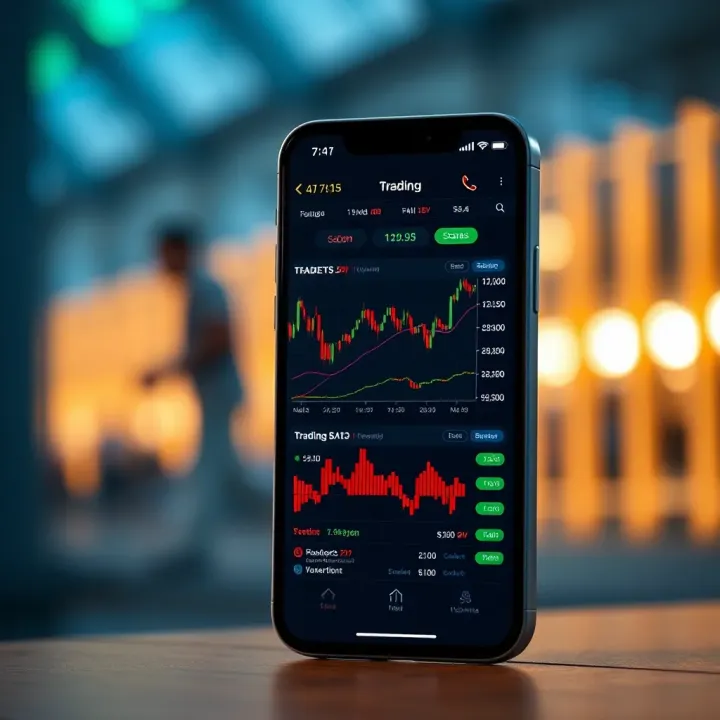
📱 Discover how to choose the best trading app in Kenya by comparing features, security, usability, and compliance to local regulations for your trading style.
Based on 9 reviews