

Understanding Forex Trading for Kenyan Investors
Learn how forex trading works in Kenya 🇰🇪, explore market drivers, key terms, risks, and practical tips to start trading wisely and manage your KSh finances effectively.
Edited By
Ethan Clarke
For many Kenyan traders, stepping into the world of forex (foreign exchange) markets can feel like entering a maze. A key starting point is understanding what a forex account actually is and how it operates. At its core, a forex account allows you to buy and sell different currencies using real money, either for speculation or to hedge against currency risks.
In Kenya, opening a forex account requires partnering with a licensed broker. This account acts similar to a bank account but is specifically designed for currency trading. You deposit funds, often starting from as low as KSh 10,000, which then becomes your trading capital. Brokers usually offer a platform—either web-based or mobile app—where the trading happens in real time.

Kenyan traders should know that forex accounts come with different types, tailored to various trading styles and capital levels. These include:
Standard Accounts: For serious traders with higher capital, often KSh 100,000 and above. Standard accounts provide tighter spreads and more trading options.
Mini or Micro Accounts: Suitable for beginners or those wanting to test strategies, requiring a lower minimum deposit, sometimes as low as KSh 5,000.
Islamic Accounts: Designed to comply with Sharia law by avoiding interest charges (swap-free accounts), catering to Muslim traders.
When choosing a forex account, consider factors like minimum deposit, leverage options, spreads (transaction costs), and withdrawal ease.
Forex trading involves leveraging your capital, meaning you can control a larger amount than what you deposit. For example, with a leverage of 1:100, KSh 10,000 could control KSh 1,000,000 worth of currency. This can multiply profits but also raises the stakes, making risk management critical.
Opening a forex account in Kenya often involves submitting identification documents (like a national ID or passport), proof of address, and sometimes a tax compliance certificate from the Kenya Revenue Authority (KRA). Most regulated brokers allow deposit and withdrawal through popular local methods such as M-Pesa, bank transfers, or card payments.
In the next sections, we will explore how to pick the right broker, opening steps on platforms popular in Kenya, and managing risks effectively to protect your investment. Having a good grasp on your forex account basics will set a strong foundation for your trading journey.
For anyone keen to trade currencies, understanding what a forex account is and how it operates forms the bedrock of trading success. A forex account is more than just a platform where trades happen; it acts as your gateway to the foreign exchange market, allowing you to buy and sell currencies with ease. For Kenyan traders, this means accessing global currency pairs like USD/KES or EUR/USD, using KSh as collateral, and navigating trades using familiar payment methods such as M-Pesa or bank transfers.
The basic concept of a forex account is pretty straightforward. It’s an account you open with a forex broker that gives you access to the international currency markets. Think of it as your trading wallet, where you deposit funds, place trades, and track your profits or losses. Unlike a regular bank account, a forex account is designed specifically for trading currency pairs, and it displays live market prices so you can make informed decisions. If, for example, you want to trade the Kenya shilling against the US dollar, your forex account is where you will place that order.
The role of the forex account in currency trading is crucial. It acts as the interface between you and the foreign exchange market, allowing you to execute trades quickly and securely. The account records all your transactions, balance changes, and margin requirements. For instance, if you are trading USD/KES and the market moves in your favour, the profit is credited to your account balance. Conversely, any losses are deducted. This transparency helps you manage your trading activity and assess your risk effectively.
When you place an order through your forex account, it gets routed to the forex market for execution. This process includes selecting the currency pair to buy or sell, choosing the trade size (often called lots), and deciding whether to buy (go long) or sell (go short). For example, if you predict the US dollar will strengthen against the Kenyan shilling, you place a buy order for USD/KES. The platform then finds a matching seller to complete the trade and instantly updates your account.
The role of brokers and trading platforms is to facilitate this order execution smoothly. Brokers act as middlemen between your forex account and the wider currency market, ensuring that orders are fulfilled promptly and at the best available price. Trading platforms like MetaTrader 4 or 5, or broker-specific apps, provide the user interface where you monitor prices, place orders, and set stop-loss or take-profit levels. Good brokers registered under Kenya’s Capital Markets Authority (CMA) provide reliable platforms, secure funds management, and fair pricing, which is very important for Kenyan traders.
Opening and fully understanding a forex account is the first step to participating confidently in currency trading, especially for Kenyan traders who must also consider local regulations and payment methods.
By grasping these basics, you set yourself on a solid path toward trading forex wisely and legally within the Kenyan market.
Kenyan traders have several options when it comes to forex accounts, each designed to match different trading sizes, experience levels, and strategies. Choosing the right type of account matters because it affects the minimum deposit needed, trade sizes, risk levels, and even the trading platform experience. Let's look at the main account types that Kenyan traders typically use.
A standard forex account usually requires a higher minimum deposit, often ranging from KSh 50,000 to KSh 100,000 depending on the broker. This type of account offers access to full lot trading, meaning you can trade in large volumes with tighter spreads and potentially better leverage options. The deposits are significant enough to allow room for multiple trades without quickly exhausting your margin.
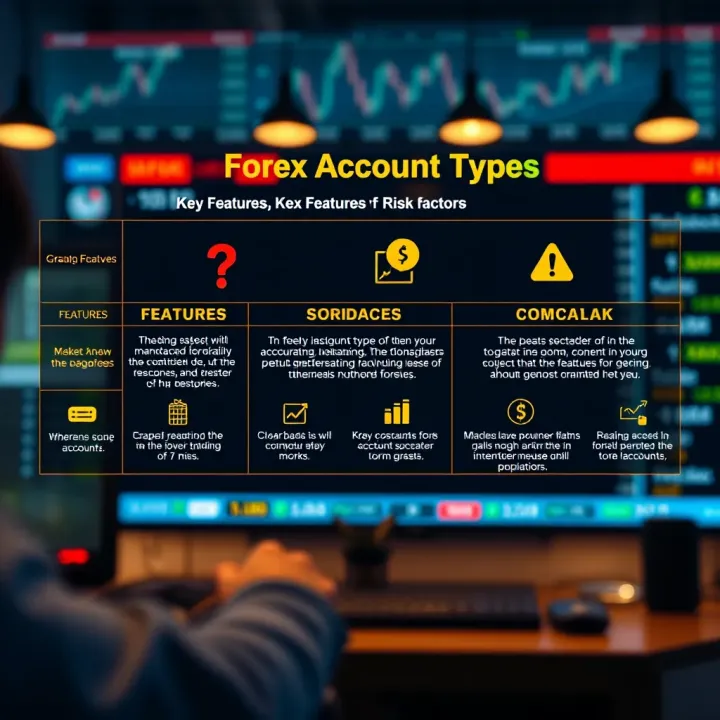
Standard accounts suit traders who understand the forex market fairly well and have capital to back their trading plans. For example, a small business owner in Nairobi who understands forex signals and has KSh 100,000 to spare might prefer a standard account because it offers flexibility for complex strategies and bigger positions. This account type also appeals to seasoned traders who want direct access to professional-grade tools and better market execution.
Micro and mini accounts allow traders to deal with smaller trade sizes, sometimes as little as 1,000 units of currency, compared to the 100,000 units in standard accounts. The key benefit here is that the minimum deposits are much lower, often starting from KSh 1,000 to KSh 10,000. This makes forex trading more affordable and less risky for traders with limited capitals.
These accounts are perfect for beginners or those testing out new strategies on smaller stakes. For example, a young graduate from Eldoret interested in forex can use a mini account to get comfortable with market movements without risking a huge amount. Such accounts give hands-on experience and build confidence while ensuring losses stay manageable. Besides, they keep the emotional pressure lower, which is essential for new traders.
A demo account is a paper trading account funded with virtual money. Its purpose is to help traders understand the mechanics of forex trading without risking real cash. Kenyan traders use demo accounts to familiarise themselves with trading platforms like MetaTrader 4 or 5, practice placing ideal stop-loss orders, and experiment with leverage and margin features.
However, demo accounts have limits. They cannot fully replicate the emotions or market conditions of live trading. For instance, price slippage or spreads during real market volatility in Nairobi's time zone (EAT) affects live accounts differently. Also, some traders may take risks on a demo account because it's not real money, which leads to behaviour they wouldn't repeat in live trading. Demo accounts are great for learning, but moving to a live account is necessary to experience the true market dynamics.
Selecting the right forex account type depends on your capital, experience, and trading goals. Micro and demo accounts are safer spaces for beginners, while standard accounts suit those ready for larger investments.
By matching the account type to your personal trading situation, you can build a solid foundation for success in forex trading here in Kenya.
Opening a forex account in Kenya is the first step for anyone serious about trading currencies. It determines how smoothly you’ll trade, how safe your money is, and what tools you’ll have for trading. Getting it right goes beyond clicking ‘register’ online — it involves careful choices to protect your investment and maximise your chances of success.
Picking the right broker is key. A reliable broker offers transparent fees, responsive customer support, and a user-friendly platform. Look out for factors like spreads and commissions, the kinds of currency pairs available, and whether the broker offers good mobile apps, especially since many Kenyans trade on phones. A broker’s reputation also matters — check reviews from fellow Kenyan traders or financial forums.
Regulation by Kenya's Capital Markets Authority (CMA) is non-negotiable. A CMA-licensed broker complies with Kenya’s trading laws, which means your funds are safer and your rights are better protected. Brokers without proper licensing pose risks, including delays or trouble withdrawing funds. Ensure your chosen broker clearly states their CMA licence on the website or in communications.
Starting your forex account typically begins with registration on the broker’s website. You’ll fill in your details and create a login. Verification follows, requiring you to confirm your identity — this is a regulatory demand to prevent fraud and money laundering. Kenya traders should expect a quick process if their documents are ready.
You’ll need to provide a valid Kenyan ID, passport, or driver’s licence, and your Kenya Revenue Authority (KRA) Personal Identification Number (PIN). These documents prove your identity and tax compliance. Having these ready saves time and smooths the approval process.
M-Pesa is by far the most popular and convenient method to fund forex accounts in Kenya. Many brokers integrate M-Pesa payments or allow deposits via bank transfers from Kenyan banks like Equity or KCB. Some brokers accept payments via Paybill or Lipa Na M-Pesa; these options reduce delays and extra charges.
Though trading currency pairs usually involves US dollars or euros, some brokers accept deposits in Kenyan shillings (KSh). This reduces the hassle and cost of currency conversion but always check your broker’s policy and conversion rates. A clear understanding of currency handling helps avoid unexpected losses on deposits or withdrawals.
Opening a forex account with a compliant broker and using trusted payment methods not only protects your funds but also builds a solid foundation for your trading activity.
By following these steps and tips, you ensure your entry into forex trading in Kenya is smooth, secure, and well-informed. Go ahead and start your forex journey with confidence.
Understanding the key features and tools available in a forex account is vital for Kenyan traders to navigate the currency markets wisely. These features directly affect how you execute trades, manage funds, and protect yourself from risks while improving your trading efficiency.
How leverage works: Leverage allows you to control a large position in the forex market with a relatively small amount of capital. For example, with a leverage of 1:100, a deposit of KSh 10,000 lets you trade currencies worth KSh 1,000,000. This enhances your buying power, letting you access bigger trades than your balance alone would allow. Leveraging can amplify profits considerably when the market moves in your favour.
Risks tied to margin trading: However, leverage cuts both ways. It also magnifies losses, meaning you can lose more than your initial deposit. If a trade moves against you, the broker may issue a margin call, requiring you to add funds or close positions to prevent further losses. For Kenyan traders, it’s crucial to use leverage cautiously and understand your broker’s margin requirements to avoid forced liquidation of your trades.
Common platforms used: Many brokers offer MetaTrader 4 (MT4) or MetaTrader 5 (MT5), the most popular platforms globally, also widely used in Kenya. These platforms provide access to forex charts, technical analysis tools, and real-time market data. Knowing how to navigate these platforms boosts your trading confidence and effectiveness.
Mobile versus desktop trading: Desktop platforms give full access to tools and are preferred for in-depth analysis. However, mobile apps make trading on the go possible, which matters for Kenyan traders balancing work, family, and trading. Apps allow you to monitor positions, place orders, and respond quickly to market events even when away from your computer.
Market, limit, stop orders: Market orders execute trades immediately at the current price, best for quick entries. Limit orders allow you to buy or sell at a specific price or better, useful for entering the market at preferred levels. Stop orders trigger when a certain price is reached, often used to limit losses or enter positions once a trend starts. These order types help Kenyan traders control entry and exit points without needing to watch the market nonstop.
Stop-loss and take-profit options: Both tools help manage risk and lock in gains. A stop-loss automatically closes a trade at a set loss threshold, preventing huge drawdowns. Take-profit closes a trade once a target profit level is reached, securing your earnings before the market reverses. These are key for safeguarding capital, especially in Kenya's volatile forex scene where unexpected economic news can swiftly alter price directions.
Proper use of these features within your forex account enhances control over your trades and protects your hard-earned money from unnecessary losses.
By becoming familiar with these features and tools, Kenyan traders can approach the forex market with greater clarity, applying effective strategies while managing risks adequately.
Trading forex involves real money and can quickly lead to losses if risks are not well managed. For Kenyan traders, understanding the specific risks attached to forex trading improves the chance of making sensible decisions and protecting capital. Knowing how volatility and leverage affect trades allows you to set realistic expectations and apply practical strategies to safeguard your investments.
Volatility of currency markets is one of the key challenges you will face. Exchange rates can swing widely within minutes due to economic news, political events, or even sudden market sentiment shifts. For instance, during a major policy announcement by the Central Bank of Kenya (CBK), the shilling might rapidly strengthen or weaken against the US dollar. This unpredictability means trades can quickly move into profit or loss. As a Kenyan trader, being aware of scheduled economic events and global developments helps you anticipate periods of higher volatility.
Another major risk is leverage risk and potential losses. Forex brokers often offer leverage, allowing you to control a larger position with a smaller deposit. For example, a 100:1 leverage means KSh 1,000 controls KSh 100,000 worth of currency. While this can magnify profits, it equally magnifies losses. If the market moves against your position, you could lose more than your initial deposit, ending up with a negative balance. Kenyan traders must fully understand margin calls and how leverage works to avoid being caught off-guard by rapid losses.
Setting appropriate stop-loss orders is a practical way to limit your losses before entering a trade. A stop-loss automatically closes your trade if the price hits a certain level, preventing further losses. For example, if you buy EUR/USD at 1.1000, you might place a stop-loss at 1.0950 to cut losses at 50 pips. Many Kenyan brokers provide straightforward options to set stop-loss, easing risk control especially for beginners.
Diversifying trades and avoiding emotional decisions helps stabilise your overall performance. Instead of placing all funds on a single currency pair, spread your investments among a few, such as USD/KES, EUR/USD, and GBP/USD. This cushions against sharp moves in one market. Moreover, maintaining discipline to not chase losses or trade impulsively after a big win is essential. Clear trading plans and regular review prevent emotions from clouding judgement.
Using demo accounts to build skills allows you to gain experience without risking real money. Many Kenyan brokers offer demo accounts where you trade with virtual KSh funds but in real market conditions. This helps new traders test strategies and understand how order types and leverage work before moving to a live account.
Keeping up with market news and trends is vital for proactive trading. Following sources like the CBK announcements, global economic data releases, and reputable financial news outlets helps Kenyan traders understand factors moving currency prices. For example, knowing when the Kenyan government releases budget statements can alert you to potential shilling fluctuations.
Managing risks in forex trading is not about avoiding them entirely but understanding and controlling them. Smart Kenyan traders utilise tools like stop-loss, keep learning, and stay informed to protect their capital and grow steadily.
This approach builds trading discipline, improves decision-making, and makes forex trading less intimidating while increasing the chances of consistent gains.
Learn how forex trading works in Kenya 🇰🇪, explore market drivers, key terms, risks, and practical tips to start trading wisely and manage your KSh finances effectively.
📈 Learn how to open a trading account in Kenya, choose the best brokerage platform, and start investing in shares and bonds confidently. Perfect for new and seasoned investors.
📉 Learn how forex binary trading works for Kenyan traders, including key benefits, risks, top platforms, strategies, and local regulation insights to trade wisely.

📈 Learn how to open and manage forex trading accounts in Kenya. Discover types, broker tips, risks, and strategies to trade confidently in the Kenyan market.
Based on 15 reviews