
Choosing the Best Trading Bot for Kenyan Traders
🤖 Discover how Kenyan traders can pick the best trading bot with tips on features, risks, and managing automated trades for smarter investing outcomes.
Edited By
David Hughes
When it comes to trading, spotting the right signals can often mean the difference between a modest win and a big loss. Bullish candlestick patterns are one of those signals traders watch closely, especially when trying to gauge if a market is likely to rise. These patterns are found on candlestick charts, which have been a staple for traders worldwide, including those in Kenya, because they visually represent price movements in a clear, digestible way.
Understanding bullish candlestick patterns isn’t just about looking at pretty shapes on a chart; it’s about identifying moments when buyers might be ready to take control of the market. This can help a trader make smarter entry and exit decisions, manage risks better, and ultimately maximize profits.

This article will walk you through the basics of candlestick charts, highlight key bullish patterns like the Hammer, Engulfing, and Morning Star, and explain how to interpret them practically. We will also touch on important strategies and common pitfalls traders should avoid, offering a practical grip on the subject for both new and seasoned traders in Kenya and beyond.
Mastering these patterns means getting a feel for what the market might do next, rather than guessing in the dark — a skill every trader wants in their toolkit.
Whether you trade shares listed on the Nairobi Securities Exchange or forex pairs involving the Kenyan shilling, knowing bullish candlestick patterns can sharpen your trading edge. Let's break it down step by step, so you don’t miss the signs the market is giving you.
Candlestick charts form the backbone of technical analysis in trading. Their simplicity combined with detailed information makes them a go-to tool for traders worldwide. By breaking down price movements into visual formats, they reveal buyer and seller behavior in a way raw numbers never can. In the context of bullish patterns, understanding these charts is key because it helps traders spot signals that might indicate a price upswing.
Unlike traditional line charts, candlestick charts offer a snapshot of each trading period, showing not just the closing price but also the open, high, and low prices. This added nuance allows traders to gauge momentum and sentiment at a glance. For example, a candlestick that closes far above its opening price hints strongly at buyers driving the price up, a vital clue when scanning for bullish setups.
Candlestick charts represent price movements over a set time frame—could be a minute, an hour, a day, or longer. Each candle on the chart reflects four main points: the opening price, highest price, lowest price, and closing price within that period.
Picture it like this: a candle is a little package giving you a quick update on market action. Traders find them especially useful because, unlike line charts that just show closing prices over time, candlesticks integrate the whole price range, making it easier to spot reversals, continuations, and breakouts.
The body is the thick part of the candle and shows the range between the opening and closing prices. If the closing price is higher than the opening, the body is typically white or green—indicating bullish momentum. If the close is lower, the body is often red or black, signaling bearishness. For instance, a long body means strong buying or selling pressure, while a short body hints that prices didn’t move much during the session.
Knowing the body’s size and color gives traders immediate insight into the day’s trading strength. For example, spotting a long green body after a downward trend could be an early hint that bulls are pushing back.
The thin lines above and below the body are called wicks or shadows. They show the highest and lowest prices traded during that period, revealing the range outside the open and close. Long upper shadows suggest that buyers tried pushing prices higher but couldn’t sustain it, while long lower shadows indicate that sellers pushed down but buyers fought back.
Understanding wicks helps traders detect rejection points. Say a candle has a long lower wick—this might hint at a potential bullish reversal because the price dipped low but recovered, showing strong buying interest.
The open and close are the starting and finishing prices for that time frame and decide the color and body length of the candlestick. These prices tell a story of supply and demand battle during that interval. When the close is above the open, buyers controlled the session; when below, sellers had the upper hand.
For example, if a stock opens at 100 shillings and closes at 110 shillings with little upper wick, it reflects strong buyer control, often seen in bullish candlestick patterns.
Candlestick patterns simplify complex price data into easy-to-read signals that help traders make decisions faster. They often indicate potential price reversals or continuations based on historical market psychology. This makes them essential tools for traders aiming to spot entry and exit points without needing to crunch endless numbers.
For instance, when a trader notices a hammer pattern—characterized by a small body and long lower wick after a price drop—it might hint buyers are stepping in, sparking interest to buy before others catch on.
Candlestick patterns are like signposts on the trading road—they don't guarantee a destination but certainly point to what might lie ahead.
By mastering candlestick basics, traders in markets across Kenya and beyond gain a sharper lens to interpret price action and react accordingly, helping them navigate volatile markets with greater confidence.
Bullish candlestick patterns are key tools for traders looking to spot potential market upswings. They act like early warning signals that the tide might turn in favour of buyers. Understanding these patterns helps you anticipate price movements rather than simply reacting to them after the fact. For instance, consider a stock like Safaricom that has been drifting lower over days; spotting a bullish pattern early could hint at an upcoming rally, giving you an edge.
These patterns tell a story of market psychology—how sentiment shifts from bearish to bullish. Traders use this insight to time entries, set stop-losses, and manage their trades more effectively. Without grasping what makes a pattern bullish, you’d miss out on reading these subtle cues and may end up chasing prices or getting stuck.
Let's break down what makes a pattern bullish and how to read the market sentiment behind these shapes on the chart. This foundation will serve as a compass in the tricky seas of trading.
At its core, a bullish candlestick pattern signals that buyers are gaining momentum, often after a period of decline or consolidation. The simplest example is a candle with a longer body closing near its high—this shows buyers were in control during that trading period.
More complex patterns, like the Bullish Engulfing, involve a smaller red candle followed by a larger green candle that completely covers or "engulfs" the red one. This switch shows sellers losing their grip and buyers stepping up aggressively.
It's crucial to consider where the pattern forms. A hammer shape after a downtrend is more meaningful than one during an uptrend because it suggests a possible bottom. These patterns are not magic—they need to be contextually relevant to signal real potential gains.
A bullish pattern is not merely a green candle—it's about strength and timing in market moves.
Candlestick patterns act like mood rings for the market. By analyzing them, you can read whether optimism is creeping back in or if fear still reigns. For example, a morning star pattern—comprising a large red candle, followed by a small-bodied candle, and then a green candle—signals a shift from selling pressure to buying conviction.
When you see such a pattern on a chart of a local bank like Equity Bank after a fall, it might be a clue that traders are ready to step back in and push prices up. This isn’t guesswork; it reflects changing demand.
Combining these patterns with other market signals, like volume spikes or breaking above support levels, strengthens your read on sentiment. It’s like having multiple witnesses confirming the same story.
In essence, understanding market sentiment through bullish candlestick patterns gives you a sharper edge in predicting future price moves, reducing blind spots and guesswork in your trading strategy.
Recognizing common bullish candlestick patterns helps traders spot when buyers are stepping in, shifting the market mood from gloom to optimism. These patterns provide visual cues that can signal potential price reversals or continuations, giving an edge to those who interpret them correctly. For instance, in Nairobi’s active forex scene, seeing a clear bullish pattern on the USD/KES pair can hint at a buying opportunity before a price rise.
Understanding these patterns lays the groundwork for making smarter entry choices. But remember, no pattern guarantees success on its own; proper confirmation and risk management are key.
The hammer looks like a small-bodied candle with a long lower wick, resembling a hammer’s head. It forms after a downtrend, showing that sellers pushed prices down but buyers fought back before the close. The inverted hammer flips this shape: a small real body with a long upper wick, signaling rejection of higher prices.
These shapes stand out by their unique silhouettes. For example, if you spot a hammer on a 4-hour chart for Safaricom shares after a dip, it hints buyers are trying to flip the sentiment.
Both patterns suggest potential bullish reversals. The hammer says sellers lost control, while the inverted hammer hints at buying pressure despite recent selling. However, they gain strength when confirmed by the next candle moving upward.
Traders often wait for the following candle to close higher before putting money in, reducing the risk of a false start.
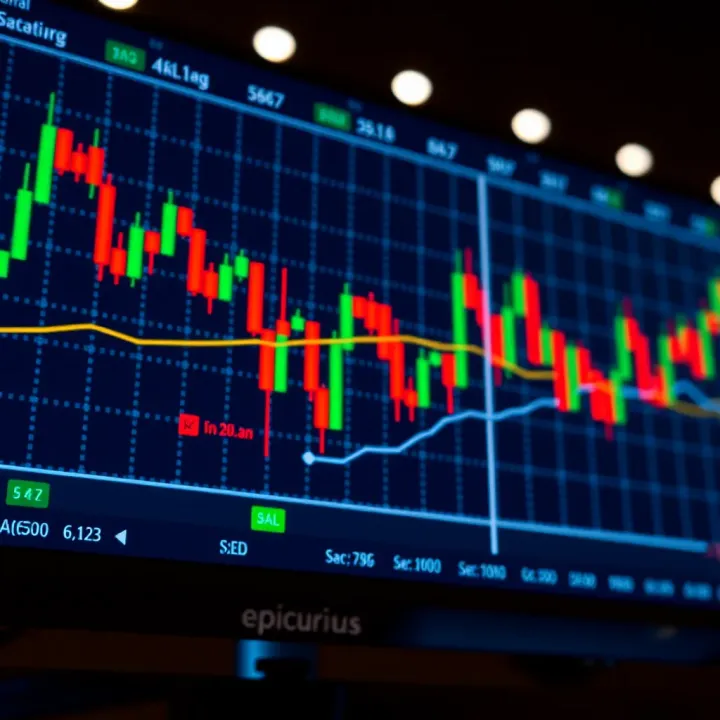
This pattern features two candles: a small bearish one followed by a larger bullish candle that completely engulfs the first’s body. Think of it like a bigger fish swallowing the smaller one.
The engulfing candle shows a sudden shift in power, where buyers overwhelm sellers in a dramatic fashion.
A bullish engulfing pattern after a downtrend is a strong sign of a trend reversal. It means buyer interest is growing, enough to push prices up strongly.
A trader spotting such on the Equity Bank stock chart might prepare to take a long position if other factors align.
The morning star spans three candles: first a long bearish candle, followed by a short candle that gaps away, and then a long bullish candle closing deep into the first candle’s body.
This formation is a classic for signaling that a downtrend may be ending and buyers are gaining control slowly but surely.
It’s important to watch for the gap between the first and second candle, as well as the strength of the final bullish candle. A strong close into the previous red candle’s body gives more confidence.
For practical use, traders might look at a weekly chart for Kenya Power to spot a morning star before buying.
This pattern occurs over two candles during a downtrend. The first candle is bearish with a strong close. The second opens lower but then rallies, closing above the midpoint of the first candle’s body.
It’s like the price "pierces" through resistance, hinting buyers are stepping up.
While a piercing line indicates a bullish shift, it’s generally seen as less strong than engulfing or morning star patterns. Confirmation with volume increase or support levels nearby enhances its reliability.
For example, spotting a piercing line on the NSE ASI index chart, combined with higher volumes, could warrant closer attention.
This pattern features three consecutive long bullish candles—each opening within the previous candle’s body and closing near their highs. They resemble three tall soldiers standing side by side.
The repeated buying pressure signals strong confidence and sustained momentum.
Typically, this pattern emerges after prolonged downtrends or consolidation phases. It shows that buyers aren’t just testing the waters; they’re fully in control.
Kenyan traders watching Safaricom or KCB Group might spot this on daily charts signaling a strong uptrend starting.
To sum it up, these bullish candlestick patterns act as practical visual signals in decision-making. Spotting them early and confirming with other tools can improve your trading outcomes.
Understanding these patterns is like reading the market’s emotional pulse—crucial for timing your moves confidently.
Recognizing a bullish candlestick pattern is just the first step—confirming its signal is what helps traders avoid traps and make smarter moves. Confirmation essentially means seeking additional evidence that the upward trend suggested by the pattern will actually follow through. Without this, a bullish pattern might just be smoke and mirrors, leading to costly mistakes.
Traders often use volume, support and resistance levels, and other technical indicators to cross-check these signals. For example, a bullish engulfing pattern showing higher trading volume than usual adds weight to the likelihood of a genuine reversal. By combining these tools, traders can navigate the markets with a clearer sense of confidence.
Volume tells you how many shares or contracts changed hands during a trading period. "It's like the market's gossip," says many seasoned traders — the louder and more convincing it is, the more trustworthy the story.
A bullish candlestick accompanied by a spike in volume is usually a good sign that buyers are stepping in strongly. Say you spot a hammer at the bottom of a downtrend; if the volume suddenly surges compared to previous days, that's a green flag showing real buying interest.
On the flip side, a pattern appearing on low volume might suggest weak conviction, increasing the risk of a false signal. Keep in mind, some markets or periods naturally have lower volume; so understanding the typical trading rhythm is helpful.
Support and resistance are like invisible walls where price action hesitates or reverses. Confirming bullish candlestick patterns near these levels gives you a firmer ground to stand on.
For instance, if a morning star forms right above a known support level, the chances of a rebound are higher. It’s as though buyers think, "Here's a good bargain." Conversely, a bullish pattern that forms far away from any support might not be as reliable.
Aligning patterns with these key levels can reduce guesswork, helping you time entries and exits more precisely.
No single indicator tells the whole story. Combining candlestick patterns with other technical tools helps paint a fuller picture.
Moving averages smooth out price data to show trends more clearly. When a bullish candlestick pattern forms near or above a moving average — say, the 50-day or 200-day moving average — it signals stronger support.
For example, a bullish engulfing pattern appearing just above the 200-day moving average often indicates that the long-term trend might be shifting upwards. This increases the odds the pattern will lead to a genuine rise.
Traders often watch for moving average crossovers too (e.g., the 50-day crossing above the 200-day) to confirm bullish momentum aligned with candlestick signals.
RSI measures how overbought or oversold an asset is, ranging from 0 to 100. A low RSI (typically below 30) suggests oversold conditions and potential for a bounce.
If you spot a bullish candlestick pattern while RSI is low, it boosts the chance of a real bounce back. Like seeing the fuel tank nearly empty but the engine ready to roar once refilled.
Bear in mind, if RSI is already high (above 70), bullish signals might be less reliable, as the market could be overheated.
The Moving Average Convergence Divergence (MACD) is handy for spotting shifts in momentum. It shows the relationship between two moving averages and their momentum.
A bullish candlestick pattern combined with a MACD line crossing above its signal line can indicate a fresh upswing in buying strength. For example, a piercing line pattern appearing just as MACD turns bullish signals a stronger buy setup.
Using MACD helps confirm that the candlestick pattern isn’t just a short blip but backed by momentum.
Confirming bullish candlestick signals with these tools helps strip away noise and highlights trades with better odds. For Kenyan traders, especially, blending these methods caters well to local market volatility and liquidity quirks.
By double and triple-checking signals with volume, support levels, and indicators like moving averages, RSI, and MACD, you set yourself up for more reliable trading decisions rather than chasing false hopes.
Understanding bullish candlestick patterns is one thing, but knowing how to apply them in your trading plan is where things get real. These patterns are tools—powerful ones if used properly—but they always perform better when integrated with thoughtful strategies. For traders in Nairobi or Mombasa, combining patterns like the Bullish Engulfing or Morning Star with clear entry, exit, and risk management tactics can make all the difference.
Nailing down when to jump into a trade and when to cash out is essential. Bullish candlestick patterns often serve as a trigger for entries, but you want to confirm with other signals too. For example, spotting a Three White Soldiers pattern after a period of consolidation may suggest a strong uptrend. Here, you might enter right at the close of the last soldier.
Exit points should be planned in advance; don’t wait for the candle to turn bearish and then panic out. Using resistance levels or previous highs as targets can provide logical exit points. In practice, if a Piercing Line pattern appears near an important resistance around 1,000 KES on a telecom stock, setting your take profit slightly below that might prevent getting stuck if price reverses.
Risk management hinges on well-placed stop-loss orders. When trading bullish patterns, setting a stop-loss below the pattern’s low usually gives your trade room to breathe without risking too much. For example, after a Hammer pattern forms on Safaricom’s chart, placing a stop-loss just below the hammer’s wick makes sense.
This strategy protects you in case the market doesn't move as expected. Many traders make the mistake of ignoring stop-losses or placing them too tight—both can lead to unnecessary losses or being prematurely stopped out from normal price fluctuations.
Understanding the balance between risk and reward keeps your trading sustainable. Before entering a trade based on a bullish candlestick pattern, estimate how much you stand to gain versus what you might lose.
For instance, if your entry price is 450 KES and your stop-loss is 435 KES (15 KES risk), while a realistic target based on resistance is 480 KES (30 KES potential reward), you have a 1:2 risk to reward ratio—generally considered healthy among traders. Aiming for setups where the potential reward outweighs the risk helps you stay profitable in the long run.
Always remember: no pattern guarantees outcome, but strategic use of entries, exits, stop-losses, and properly weighing risk against reward increases the odds in your favor.
By weaving bullish candlestick patterns into your broader trading framework, you avoid blindly chasing trends and make decisions that reflect both the chart's signals and practical market behavior. This approach is especially important in Kenyan markets, where liquidity and volatility can differ from global exchanges.
Integrating these patterns with robust strategies can turn a simple signal into an actionable plan—crucial for traders who want steady progress rather than wild guesses.
Recognizing bullish candlestick patterns is a handy skill for any trader, but it’s not a guarantee for success without caution. Many traders, especially those new to the game, often stumble over common traps that can turn promising signals into costly mistakes. It's important to understand these pitfalls because they highlight why even apparently strong bullish patterns might fail. Awareness of these issues sharpens judgement and leads to better trade decisions.
False signals, sometimes called "fakeouts," are bullish patterns that look promising but don't actually indicate a sustained upward move. For example, a classic bullish engulfing pattern might appear on the chart, but shortly after, the price reverses and falls. One reason for false signals is low market volume — without strong participation, patterns can easily mislead. Another cause is if the pattern appears in an overall downtrend where it's often just a brief pause before prices continue falling.
To spot false signals, look for confirmation: rising trading volume or supportive technical indicators like upward-trending moving averages. For instance, if a bullish pattern forms but the Relative Strength Index (RSI) remains below 30 or trending lower, the signal might be weak. Kenyan traders might notice this especially in markets sensitive to local or global news, where sharp moves can produce deceptive candles.
Relying solely on one candlestick pattern is like trying to navigate a city with just one street sign — the full picture matters. A single bullish candlestick pattern can’t predict the market's next move by itself. This narrow focus ignores other essential factors like trend strength, volume, and economic context. For example, spotting a hammer candlestick after a steep drop might suggest a reversal, but if other indicators or market sentiment aren’t aligned, jumping in could be risky.
Successful traders use patterns as part of a toolkit, combining them with support and resistance levels, trend lines, and momentum indicators. This layered approach reduces the chance of misreads. Imagine a situation when a morning star pattern appears, but overall market news is bearish; ignoring this context could lead to premature buying.
Patterns don’t exist in a vacuum. Ignoring the broader market environment is a common mistake that can negate the usefulness of bullish candlestick signals. For example, during high-impact events such as central bank announcements or political unrest, seemingly strong patterns can quickly unravel. In Kenya’s context, factors like the upcoming general elections or significant changes in commodity prices can drastically change market mood.
Traders should check the bigger picture by monitoring macroeconomic indicators and news. If a bullish pattern emerges but the overall economy is contracting or a major export sector is struggling, it's wise to tread carefully. Remember, a pattern showing buying interest in a small-cap stock during a broad market selloff won’t necessarily result in a sustained rise.
Always treat bullish candlestick patterns as one piece of a puzzle. Confirming signals, understanding market forces, and avoiding isolated reliance reduce risks and improve outcomes.
By keeping these pitfalls in mind, Kenyan traders can navigate the markets with more confidence, turning candlestick patterns into powerful tools instead of traps.
For Kenyan traders, applying bullish candlestick patterns goes beyond just spotting shapes on a chart. The local market environment calls for a blend of technical skills and an understanding of Kenya’s unique trading landscape. This section offers practical tips tailored to the Kenyan context, helping traders make smarter moves and avoid costly mistakes.
Timeframes matter a lot when trading with candlestick patterns. In Kenya’s relatively volatile markets, like the Nairobi Securities Exchange (NSE), shorter timeframes like 15-minute or 1-hour charts can offer timely signals for day traders. Meanwhile, swing traders might find daily or weekly charts more reliable for spotting sustained bullish momentum.
For example, a day trader watching Equity Group Holdings shares might rely on intraday 30-minute charts to catch a Bullish Engulfing pattern signaling a quick upward move before market close. In contrast, an investor planning a medium-term position on Safaricom shares could use the daily charts to confirm a Morning Star pattern indicating a potential trend reversal.
Key takeaway: Match your trading style with timeframes that spotlight candlestick patterns clearly enough to make decisive calls without noise.
Kenyan markets can behave differently from major global ones due to local economic factors, political events, and liquidity constraints. For instance, trading volumes on some stocks might be thin, making some candlestick patterns less reliable.
A Hammer pattern on its own might not guarantee a price rise if it appears during a politically tense period affecting the market overall. Instead, it’s vital to combine pattern recognition with awareness of local news and market sentiment. Traders should also consider the impact of events like the release of Kenya’s economic reports or election cycles that can sway investor confidence abruptly.
Using candlestick patterns in isolation can lead to false signals. Incorporate local market context by keeping tabs on:
Key economic indicators such as inflation and interest rates
Sector-specific trends, e.g., agriculture or telecoms
Currency fluctuations affecting importers and exporters
This approach ensures candlestick signals are interpreted against the backdrop of what drives Kenya’s market moves.
Kenyan traders have increasing access to markets and tools, but knowing the right platforms and resources is crucial. Here are a few worth considering:
Bloomberg Terminal: Though pricey, some financial institutions and serious traders use it for real-time market data, news, and advanced charting.
NSE Mobile App and Website: Offers accessible information on share prices, volumes, and indices updates.
Local Broker Platforms: Companies like Africa Horizon, Dyer & Blair, and Faida provide online trading platforms with charting tools that include candlestick charts.
TradingView: While not Kenya-specific, many traders use this global platform for its user-friendly interface and vast library of indicators.
Additionally, joining forums or local associations like the Kenya Association of Stockbrokers and Investment Analysts can offer networking and learning opportunities.
Having the right tools matched with local insights gives you an edge, turning raw candlestick patterns into actionable trading decisions.
By tailoring timeframes, adjusting for local conditions, and leveraging Kenya’s market resources wisely, traders can turn bullish candlestick patterns from simple chart shapes into practical guides for better trades.
🤖 Discover how Kenyan traders can pick the best trading bot with tips on features, risks, and managing automated trades for smarter investing outcomes.

Learn how binary trading works in Kenya 🇰🇪, including key strategies, risks, legal insights, and steps to help you trade wisely and confidently.

📈 Learn how to read and use candlesticks in trading! From basics to advanced patterns, understand their role in forex, stocks & commodities markets. 📊
📊 Learn to read different candlestick types in trading! Discover key patterns and tips to predict markets and make smarter investment choices effectively.
Based on 14 reviews