
Forex Brokers Accepting M-Pesa in Kenya
Explore top forex brokers accepting M-Pesa in Kenya 🇰🇪 for easy deposits and withdrawals. Learn practical tips, risks, and how to trade safely using mobile money 📱💰.
Edited By
Oliver Hastings
Withdrawing KSh 5,000 from M-Pesa is a common transaction for many Kenyans engaging in daily trade or handling personal finances. Understanding the exact cost involved can help you plan better and avoid unnecessary charges, especially if you do frequent withdrawals.
Safaricom, the operator of M-Pesa, sets specific fees based on withdrawal amounts and points of withdrawal, such as M-Pesa agents or bank ATMs. The commission fees apply directly when you cash out, so knowing these helps keep your costs in check.
Currently, withdrawing KSh 5,000 at an M-Pesa agent attracts a standard fee of KSh 27. This fee is fixed by Safaricom and can vary slightly if you choose to withdraw from a bank ATM using your M-Pesa linked card. For instance, some bank ATMs might charge their own fees on top of Safaricom's withdrawal cost.
Safaricom limits individual M-Pesa withdrawal transactions to a maximum of KSh 70,000 per day, spread across ten transactions. This means withdrawing KSh 5,000 is well within the allowed transaction limits.
Agent withdrawals: Simple, quick, and usually cost KSh 27 per withdrawal.
Bank ATM withdrawals: Often faster but may come with ATM service fees depending on the bank used.
Transaction limits: Maximum daily withdrawal is KSh 70,000, and maximum per withdrawal is often capped at KSh 35,000 for some agents.
To reduce costs, plan your withdrawals smartly. For example, withdrawing KSh 10,000 once rather than KSh 5,000 twice saves you the fee for the second withdrawal. If you’re a business owner or frequent user, consider using Safaricom’s bulk withdrawal or bank services that offer lower fees for higher transaction volumes.
In summary, withdrawing KSh 5,000 from M-Pesa costs about KSh 27 at agents, but you should always check for any additional charges at bank ATMs. Keep track of your withdrawal frequency and amounts to manage these fees effectively.
Understanding the fees charged when withdrawing money from M-Pesa is vital for anyone regularly handling cash via this popular mobile platform. These charges affect your net amount after withdrawal, especially when dealing with fixed sums like KSh 5,000. Knowing how Safaricom structures these fees helps you plan withdrawals better and avoid surprises that chip away at your money.
Safaricom sets M-Pesa withdrawal fees based on amount brackets, which means the fee varies depending on how much you take out. Generally, there’s a fixed fee for smaller withdrawals and a percentage or fixed charge for bigger amounts. This tiered approach ensures that those withdrawing small sums don't pay disproportionately high fees, while larger amounts have capped charges that make sense economically.
For example, withdrawing KSh 100 costs less in fees than a withdrawal of KSh 10,000, but the fee percentage may be more favourable on higher amounts. This difference reflects Safaricom’s aim to balance affordability with operational costs.
Over time, Safaricom has adjusted withdrawal fees to keep up with market conditions and user feedback. Past increases or tweaks have affected different withdrawal categories unevenly. These updates are relevant because a fee that seemed fair a few years ago might now require reconsideration in your budgeting for frequent withdrawals.
Presently, withdrawing KSh 5,000 attracts a set fee distinct from both very small and very large withdrawals. As per the current structure, this fee is usually a fixed amount, typically around KSh 44. This charge is neither too high to discourage withdrawals nor so low that Safaricom incurs losses. For entrepreneurs or traders who routinely move cash around this amount, the cost becomes predictable and easy to factor into daily expenses.
When compared to other withdrawal sums, the fee for KSh 5,000 sits in the middle range. For lower amounts such as KSh 1,000, fees are proportionally lower but represent a higher percentage of the withdrawn amount. On the other side, withdrawing KSh 10,000 or more might attract slightly higher fixed fees but often at a better percentage rate, offering cost savings for bulk transactions.
Understanding these fee differences helps you decide whether to withdraw in one go or break the amount into parts, balancing convenience against cost.
Knowing the ways to withdraw KSh 5,000 from M-Pesa is vital for anyone depending on this mobile money service for daily transactions or business needs. Each method differs not only in convenience but also in fees, withdrawal limits, and accessibility. Understanding these options helps you choose the best fit based on your location, urgency, and costs involved.
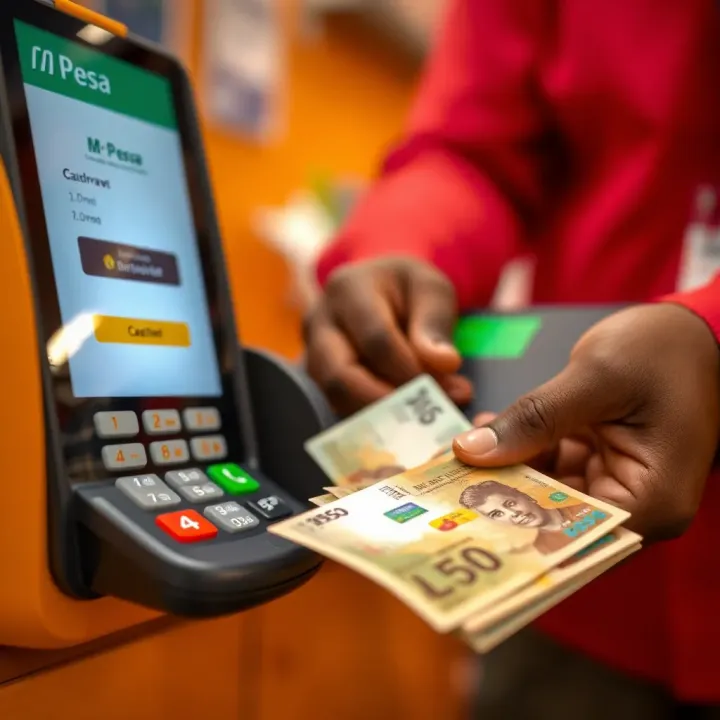
Withdrawing cash at M-Pesa agent outlets remains the most common way for many users, especially outside major towns. The process is straightforward: you visit a registered agent, provide your mobile number and the amount to withdraw, then enter your M-Pesa PIN to authorise the transaction. The agent will then give you the cash immediately, making it quick and accessible even in areas without banks.
This method suits traders or entrepreneurs who deal with cash daily, such as those running kiosks or small shops. It’s practical also for users without bank accounts or those who prefer direct cash in hand.
Regarding fees, agent withdrawal charges vary slightly depending on the withdrawal amount. Typically, Safaricom sets a fixed fee plus a small percentage for larger withdrawals, but in most cases, the cost for KSh 5,000 withdrawal is a flat fee of about KSh 33 to KSh 44. Agents may also adjust fees marginally depending on demand or location, but Safaricom’s set fees guide the maximum allowable charges.
A common practice among agents is to bundle small withdrawal requests to manage their cash float better. So sometimes, you might find agents encouraging you to withdraw larger sums at once to save on fees, which is handy advice if you’re planning regular cash-outs.
M-Pesa users can withdraw cash using compatible bank ATMs, provided their SIM card and account are properly linked. This option is especially practical in urban areas where ATMs are readily available. You initiate the withdrawal via your M-Pesa menu by selecting the ‘withdraw cash via ATM’ option. You then get a one-time PIN (OTP) sent to your phone, which you enter at the ATM key-in screen instead of a traditional bank PIN. This method helps avoid the need for a bank account or debit card.
However, not all bank ATMs support M-Pesa withdrawals; users should check with banks like Equity Bank or KCB, which have integrated this service. This is important: attempting withdrawal from an unsupported ATM will result in transaction failure and potential inconvenience.
Charges when withdrawing via ATM mostly match those at agents, but some banks may add ATM usage fees. The withdrawal limit per transaction and per day also varies but usually falls around KSh 30,000 daily. For KSh 5,000 withdrawals, the standard Safaricom fee applies, still around KSh 33 to KSh 44.
Using ATMs can be a secure alternative, especially if you’re frequently on the move in Nairobi or other towns with many ATM points. Just remember to confirm compatibility and fees to avoid surprises.
Choosing between agents and ATMs depends on your convenience, fee preference, and immediate money needs. For many, agents provide easy roadside cash anytime, while bank ATMs offer more security and quicker transactions amid city hustle.
When dealing with financial transactions like withdrawing KSh 5,000 from M-Pesa, limits and restrictions are essential to keep in mind. They ensure security, prevent fraud, and manage liquidity both for users and Safaricom. Understanding these rules helps entrepreneurs and traders plan their cash flow without hiccups.
Safaricom sets caps on how much money a user can withdraw from M-Pesa in one transaction and within a day. These limits protect both the user and the platform against misuse. For example, the maximum withdrawal in a single transaction can go up to KSh 70,000, but daily withdrawal limits typically stand around KSh 140,000 for regular users.
In practical terms, this means withdrawing KSh 5,000 fits comfortably within these limits. Traders or business people withdrawing this amount won't have to split the withdrawal or worry about hitting a ceiling. However, if a user intends to withdraw multiple times in a day, they should consider how each withdrawal adds up towards the daily cap.
For anyone withdrawing KSh 5,000, the limits are not restrictive. You can make this withdrawal once or multiple times a day without breaching Safaricom's rules. But if you plan to withdraw more repeatedly, say to sell goods or pay staff daily, keeping track of cumulative withdrawals becomes crucial.
If you accidentally try to withdraw beyond your daily limit, the transaction will be blocked, causing inconvenience and potentially delaying your business operations. Hence, understanding these limits helps you keep your operations smooth.
Safaricom encourages users to keep transactions within reasonable frequency to reduce fraud risk. Although there's no strict cap on the number of daily withdrawals, too many transactions in a short time may prompt temporary holds or verification steps. This is part of their effort to keep user accounts safe.
For entrepreneurs, this means organising withdrawals thoughtfully rather than frequently withdrawing small amounts, which might trigger warnings or delays.
Safaricom uses several security checks when it comes to withdrawals. These include PIN verification for every transaction and occasional requests for additional verification like SMS codes or identity checks on agent withdrawals.
Moreover, large or unusual withdrawal patterns can lead to temporary blocks or additional confirmations to protect your money. For instance, if a trader usually withdraws KSh 5,000 daily but tries to withdraw KSh 50,000 suddenly, the system might flag this activity.
Understanding these limits and policies helps you avoid unnecessary delays and secures your M-Pesa transactions, which is vital for maintaining stable cash flow in your business or trading activities.
In summary:
Daily withdrawal limits usually allow multiple KSh 5,000 withdrawals safely.
Frequent small withdrawals may attract security checks.
Always verify your transactions with your M-Pesa PIN.
Sudden large withdrawals can prompt additional safeguards.
Knowing these behind-the-scenes rules means you can rely on M-Pesa confidently for your daily business cash needs without surprises.
Managing withdrawal charges is key if you frequently handle M-Pesa transactions, especially when withdrawing KSh 5,000. Unnecessary fees can quickly reduce your available funds, affecting both personal finances and business cashflow. Being smart about how and when you withdraw money from M-Pesa helps stretch your shillings further and keeps your transactions smooth.
With M-Pesa, each withdrawal incurs a fixed fee based on the amount withdrawn, meaning that if you withdraw multiple smaller amounts, you pay the fee more than once. For example, withdrawing KSh 5,000 all at once attracts a single charge, but splitting that into two KSh 2,500 withdrawals doubles the fee, resulting in higher total charges. So, whenever possible, pulling out a larger sum in one go reduces the overall cost.
This approach works well for traders and entrepreneurs who manage bulk cash for daily operations or stock purchases. Instead of multiple trips to the agent or ATM, one withdrawal lowers the total fees paid and time spent. However, it requires careful cash management to avoid holding excessive physical cash.
Sometimes, splitting withdrawals makes sense despite the extra fee. If the vendor or business transaction only accepts lower denominations, or if you need to stick to daily withdrawal limits set by Safaricom, it’s inevitable to split your withdrawals. Also, when safety calls for less cash on hand—say when moving through high-risk areas—it's wise to take smaller amounts each time.
Moreover, if your spending is spread out over days or weeks, multiple smaller withdrawals help keep your funds secure and better tracked. Just weigh these benefits against the additional fees to find your ideal balance.
One way to cut withdrawal charges is to pay directly from M-Pesa using Paybill or Till number services. Many businesses and utility providers accept payments this way, so instead of cashing out and paying traders or service providers physically, you move money electronically. For instance, paying bills for electricity, water, or school fees directly saves you the withdrawal fee and reduces the risk that comes with carrying cash.
For entrepreneurs, suppliers who accept Till payments can be settled straight from your M-Pesa balance, avoiding cash handling altogether. This simplifies bookkeeping and reduces exposure to theft.
Another method to avoid withdrawal fees is transferring your M-Pesa funds to linked bank accounts or other mobile wallets. Kenya’s banking system and mobile money platforms provide easy interoperability. Transferring money to a bank usually costs less than withdrawing cash and allows you to use mobile banking apps or cards for purchases.
For example, you may transfer KSh 5,000 to your Cooperative Bank account and then pay via mobile banking or a debit card where accepted. Likewise, shifting funds between wallets like Airtel Money or Telkom’s services gives flexibility without incurring cash withdrawal fees.
Managing your M-Pesa withdrawals smartly does not just save money but also offers convenience and better control over your finances. Reducing fee-related losses means more funds remain available to grow your business or support personal needs effectively.
Explore top forex brokers accepting M-Pesa in Kenya 🇰🇪 for easy deposits and withdrawals. Learn practical tips, risks, and how to trade safely using mobile money 📱💰.

💹 Discover top forex brokers in Kenya accepting M-Pesa for smooth deposits and withdrawals. Learn key tips, regulation insights, and safe trading practices for Kenyan traders.
💰 Learn how to deposit funds to your Deriv account using M-Pesa easily. Follow clear steps, tips, and avoid common hurdles when adding KSh via mobile money in Kenya.
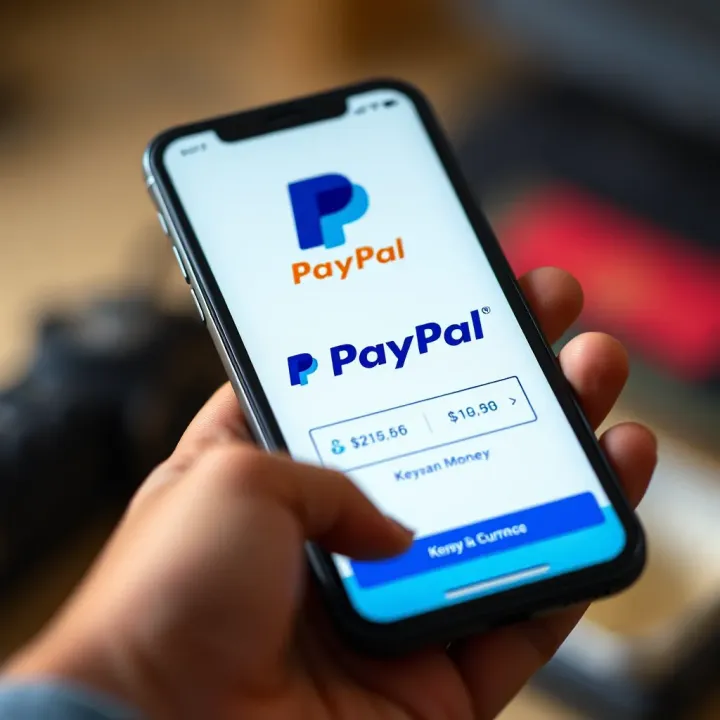
Learn how to withdraw money from PayPal to M-Pesa in Kenya easily 💸. Discover the best methods, fees, and tips for smooth, safe transfers to your mobile wallet. 🇰🇪
Based on 13 reviews