

Guide to Crypto Trading in Kenya
📈 Explore crypto trading in Kenya with this practical guide! Learn strategies, market basics, risk management, and stay secure in local crypto space.
Edited By
Henry Thompson
Forex trading involves buying and selling currencies with the goal of making profits from changes in exchange rates. For Kenyan traders new to this field, it can seem daunting at first, but understanding the basics clears the path to effective trading.
The forex market is the largest and most liquid financial market worldwide, where currencies like the US dollar, euro, Japanese yen, and Kenyan shilling are traded around the clock. Unlike the NSE (Nairobi Securities Exchange), forex trading never really sleeps; it operates 24 hours from Monday to Friday, allowing traders to take positions at any time convenient to their schedule.
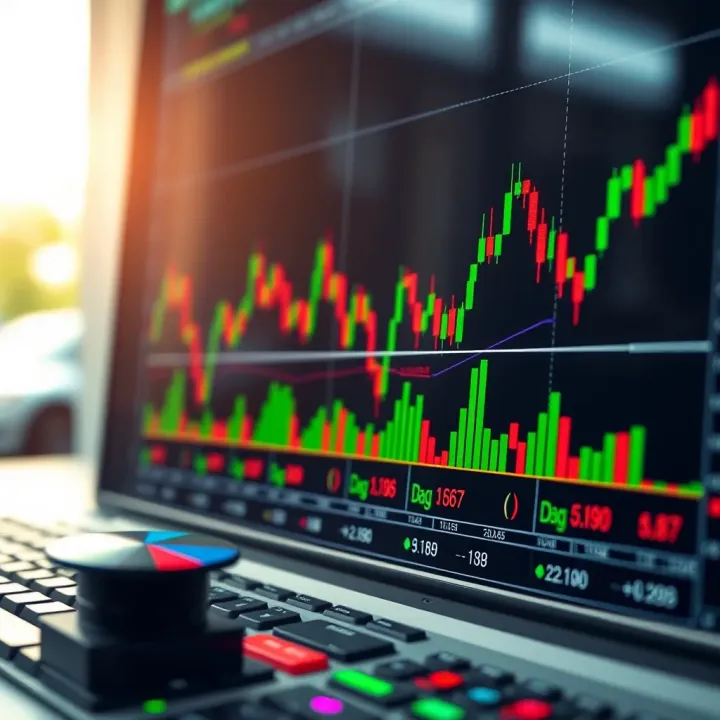
Here’s what beginners need to know upfront:
Currency Pairs: Forex trading always involves pairs, such as USD/KES or EUR/USD. You buy one currency and sell the other simultaneously, speculating on the direction the exchange rate will move.
Leverage: Brokers offer leverage to amplify potential gains, but it also increases risk. For example, a 1:100 leverage means you control KSh 100,000 with KSh 1,000, but losses can grow quickly.
Volatility: Currency prices fluctuate due to economic news, political events, and global developments. Nairobi news and regional trade agreements can influence the KES significantly.
Starting with clear knowledge of these fundamentals can save you from common rookie mistakes that result in unnecessary losses.
This guide is tailored to Kenyan beginners, aiming to equip you with practical information on choosing trustworthy brokers, managing risks effectively, and understanding market tools like charts and indicators. By the end, you should feel ready to open your first trading account confidently and start exploring forex markets responsibly.
Keep in mind that successful trading requires patience, discipline, and continuous learning. Kenya’s growing digital infrastructure, with widespread M-Pesa usage and improving internet access, makes forex trading accessible, but it demands responsible commitment. You don’t want to rush headlong without a solid plan or the right support.
Next, we will look at how to select a reliable forex broker suited to Kenyan traders, including key factors like regulation, account types, and trading platforms.
Understanding the forex market is fundamental for anyone looking to trade currencies effectively. Without a clear grasp of how the market functions, traders risk making decisions based on guesswork rather than facts. For Kenyan traders, awareness of forex basics helps in navigating local brokerage choices and managing risks linked to global economic events that influence currency values.
Definition of forex trading: Forex trading means buying one currency and selling another simultaneously. These transactions happen on the forex market, where currencies from all over the world, such as the US dollar, euro, and Kenyan shilling, are exchanged. Unlike stock markets, forex trading never closes entirely because it’s a global market operating across different time zones.
How currency pairs work: In forex, currencies are always quoted in pairs, like USD/KES or EUR/USD. The first currency in the pair is the base currency, while the second is called the quote currency. The price tells you how much of the quote currency you need to buy one unit of the base currency. For example, if USD/KES is 110, it means one US dollar costs 110 Kenyan shillings. This setup allows traders to speculate on whether the base currency will strengthen or weaken against the quote currency.
Market operating hours: The forex market never really sleeps as it runs 24 hours a day from Monday to Friday. It follows the business hours of major financial centres like London, New York, Tokyo, and Sydney. This continuous operation means that Kenyan traders can choose trading times that fit their schedules. Still, highest market activity tends to happen during London and New York sessions, which often bring better price movements.
Role of central banks: Central banks, such as the Central Bank of Kenya, play a big part by regulating their national currency’s value and money supply. They can intervene in the forex market by buying or selling their currency to stabilize exchange rates. Traders keep an eye on central bank announcements because their policies affect inflation, interest rates, and ultimately currency values.
Commercial banks and brokers: These institutions provide the infrastructure for large volumes of forex trades. Commercial banks facilitate interbank transactions, while brokers act as middlemen between retail traders and the bigger market. In Kenya, many brokers offer platforms powered by international banks, enabling easy access to currency markets with local payment options like M-Pesa for deposits and withdrawals.
Retail traders: Individual traders, also called retail traders, make up a growing share of forex market participants thanks to accessible online platforms. While their trades are smaller compared to banks, their collective activity influences market liquidity. For beginners, retail trading offers a way to learn and earn but requires strong discipline and thorough research to avoid common pitfalls.
Understanding these key elements of the forex market equips you to trade with more confidence and fewer surprises.
By mastering currency pairs, recognising market hours, and knowing who moves the market, Kenyan traders can improve their outlook and trading decisions.
Before you make your first forex trade, setting up your account correctly is key. This step is where your trading journey takes shape, bridging what you've learned about the market with practical action. Setting up involves choosing the right broker and getting your trading account ready—both choices have a tangible impact on your success and security.
Kenya’s Capital Markets Authority (CMA) regulates forex brokers to protect traders from scams and ensure fair practices. When selecting a broker, confirm they are licensed by CMA. A licensed broker complies with local laws, offers transparency, and keeps your funds secure. For example, if a broker is not CMA-approved, your money might be at risk if they close shop suddenly.
Broker fees and spreads directly affect your profitability. Spreads refer to the difference between buying and selling prices of currency pairs—tighter spreads reduce trading costs. Some brokers may charge commission on trades, while others rely on spreads only. For instance, a broker offering a 2 pip spread on EUR/USD costs you more than one with a 1 pip spread. Always compare these costs before committing.
Convenient and secure payment methods matter a lot. Many Kenyan traders prefer brokers that accept M-Pesa, making deposits and withdrawals straightforward without relying on bank transfers alone. Brokers also differ in withdrawal processing times—some offer instant withdrawals via M-Pesa, others take days. Choosing brokers with flexible and fast payment options saves time and hassle.
Opening your trading account usually involves registering with an online platform that brokers provide. This step gets you access to the trading tools and live price feeds. Platforms may differ in user experience—some are beginner-friendly with straightforward navigation, while others suit advanced traders. For example, MetaTrader 4 and MetaTrader 5 are popular platforms in Kenya with solid mobile apps.
Regulatory rules require brokers to verify your identity before allowing trading. You’ll typically submit a government ID (like a national ID or passport), proof of address, and sometimes a selfie for identity confirmation. This process prevents fraud and safeguards you. Although it may feel slow, verification helps build trust between you and the broker.
Funding your account in Kenyan Shillings (KSh) simplifies managing your money and avoids currency conversion fees. Many brokers now support direct KSh deposits via M-Pesa or bank transfer, which suits local traders. Using local currency also helps keep track of profits and losses without extra accounting complications. Always check the minimum deposit amounts to ensure they fit your budget.
Setting up your forex trading account is more than paperwork; it’s about building a secure foundation to trade confidently. Taking time to pick the right broker and funding your account properly will save headaches later and help you focus on learning the market.
Grasping the foundational concepts of forex trading is essential for beginners to navigate the market confidently and avoid costly mistakes. This section covers how leverage and margin work, plus the types of orders you’ll use daily. Understanding these will sharpen your ability to execute trades wisely and manage risks effectively.
Leverage in forex allows you to control a larger position with a relatively small deposit, known as margin. For example, if leverage is set at 100:1, depositing KSh 10,000 lets you trade KSh 1,000,000 worth of currency. This magnifies both potential gains and losses, so traders often use leverage to increase their market exposure without committing the full capital.
The risk with high leverage is that it can wipe out your investment quickly if the market moves against you. Imagine a sudden reversal in the USD/KES rate after you open a high-leverage position; losses can exceed your initial deposit, potentially leading to a margin call from your broker. Therefore, it’s crucial for beginners to start with lower leverage levels until they understand how market fluctuations affect their positions.
Margin requirements refer to the minimum funds you need in your account to open or maintain a trade. Brokers set these levels so you don’t overextend yourself. For instance, a 1% margin requirement means you need to have at least KSh 10,000 to control a KSh 1,000,000 position. If your account falls below this, your broker may close trades automatically to prevent further losses. Knowing your margin is vital for managing how much capital you commit and avoiding surprise stop-outs.
Market orders are the simplest: you buy or sell immediately at the current price. This order type ensures quick execution, which is especially useful when you want to take advantage of sudden market movements. However, the actual execution price might slightly differ due to slippage, so always be prepared for minor price changes.
Limit and stop orders give you control over entry and exit points. A limit order sets a specific price at which you want to buy or sell, only executing when the market reaches that level. For example, if USD/KES is currently at 110, but you believe it will drop to 108 before rising, you can place a buy limit at 108. Stop orders work oppositely—they get triggered once the price reaches a certain worse level, often used to limit losses or secure profits.
Trailing stops adjust automatically as the market moves in your favour, locking in gains without needing constant monitoring. Say you enter a trade buying EUR/KES at 120. If you set a trailing stop of 2 pips, the stop-loss price climbs with the market but won’t fall back, protecting profits while allowing upside potential. Trailing stops are handy for busy traders who can’t watch the charts all day but want to manage risk.
Mastering leverage, margin, and order types helps build a strong foundation in forex trading. These concepts empower you to trade smartly, protect your capital, and increase your chances of success in Kenya’s vibrant forex market.
Starting forex trading without practical steps is like trying to drive without learning the controls. This section focuses on actionable measures to help you begin trading wisely and with confidence. Whether you're in Nairobi or Kisumu, knowing how to practice before risking real money, develop a trading plan, and manage your risks makes a huge difference.
Demo accounts allow you to trade with virtual money, providing a safe environment to understand the market's rhythm without financial loss. For instance, if you open a demo account on platforms like MetaTrader or cTrader, you can test different currency pairs such as USD/KES without the pressure of real stakes. This is crucial because it lets you familiarise yourself with order execution, chart reading, and timing your trades before stepping into the live market.
Selecting the right demo platform depends on reliability and features that match the live account. Look for one offering real-time market data, user-friendly interface, and tools like indicators or news feeds. For example, a good Kenyan trader might favour brokers regulated by the Capital Markets Authority (CMA) that also provide demo platforms with M-Pesa deposit options once live trading starts. Avoid platforms that use delayed prices or have limited currency options.
Shifting from demo to live requires discipline and careful planning. While trading virtual cash feels risk-free, real money brings emotions like fear and greed into play. Start with small trades, perhaps 0.01 lots, to build confidence and gradually increase sizes as you stick to your strategy. Keep track of your live results to learn what works and what does not, making adjustments without chasing losses.
Technical analysis involves studying price movements and patterns to predict future trends. Tools like moving averages and support/resistance levels help identify entry and exit points. For example, noticing that the USD/UGX pair hits a support level consistently might signal a buying opportunity. Beginners benefit from keeping it straightforward – focus on a few indicators rather than overwhelming yourself.
Fundamental analysis looks at economic factors affecting currency values, such as interest rate changes by the Central Bank of Kenya or political events influencing the East African shilling. Imagine the National Treasury announces a new budget; this news might strengthen or weaken the shilling depending on investor reactions. Incorporate this analysis by following credible news sources and adjusting trades to reflect economic developments.
A trading plan keeps you disciplined and focused. It details your entry and exit rules, risk appetite, and profit targets. Without this roadmap, traders often make impulsive decisions. Writing down your plan and reviewing it before each trading session helps you stay grounded, especially during market swings.
Stop-loss orders cap your losses by automatically closing a trade at a preset price. For example, if you buy EUR/USD at 1.1000 with a stop-loss at 1.0950, you limit potential loss to 50 pips. This tool shields you from sudden market moves and preserves your trading capital.
Never risk too much on one trade. A good rule is to risk no more than 1-2% of your total capital per trade to avoid blowing your account after a few bad trades. Say you have KS0,000; risking KS00 per trade keeps you in the game longer, allowing more chances to profit.
Trading with a clear mind prevents costly mistakes. Emotions like hope or fear can lead to chasing losses or entering trades out of frustration. Stick to your trading plan and use tools like timers to avoid constant screen-watching. Pausing to assess conditions calmly before acting makes your moves more strategic and less reactive.
Practising with demo accounts, having a straightforward strategy, and managing risks are your best bets for a steady start in forex trading. Don’t rush; steady and informed steps build lasting success.
Forex trading offers great opportunities, but like any investment, it comes with challenges. Understanding these hurdles and knowing how to manage them can save you from costly mistakes. This section focuses on common pitfalls Kenyan traders face, including scams and market swings, and practical ways to handle these issues. Tackling these challenges upfront helps you trade with confidence and protects your hard-earned money.
In Kenya, the forex market has attracted unscrupulous actors who promise fast riches but disappear with investors’ funds. Typical red flags include brokers without Capital Markets Authority (CMA) licences, unrealistic return claims (“Double your money in a week!”), pressure to deposit large sums quickly, and lack of transparent contact details. For example, if a broker demands KSh 100,000 upfront with no clear regulation or verifiable track record, it’s best to steer clear.
Being cautious means verifying the broker’s credentials through CMA’s official list and reading reviews from trusted sources. Don’t fall for unsolicited calls or WhatsApp messages offering “secret trading formulas.” These often target Kenyan traders on social media and WhatsApp groups.
Protecting your personal and financial information starts with using secure, regulated platforms. Never share your M-Pesa PIN, bank account details, or password with anyone except verified brokers or platforms. Always use strong, unique passwords for trading accounts and avoid clicking on suspicious links, which may be phishing attempts aiming to steal your data. Kenyan traders should also enable two-factor authentication whenever possible to add a layer of security.
Forex markets can swing wildly, especially around global events or local economic announcements. Such volatility might unsettle even experienced traders. Adapting your strategy means recognising when to trade actively and when to step back. For instance, during Kenya’s election period or after significant Central Bank of Kenya (CBK) policy changes, currency pairs may move unpredictably. A good approach is to reduce trade sizes and avoid all-in bets during such times.
Using stop losses effectively is vital to limit losses when the market turns against you. Setting a stop loss means your trade automatically closes at a certain price, protecting your capital. For example, if you buy USD/KES at 110 and set a 2% stop loss, your position closes if the rate falls to about 107.8. This prevents large unexpected losses. Stop losses are especially helpful in volatile markets where prices could gap sharply, something Kenyan traders should consider given the market’s occasional unpredictability.
Staying alert to scams and managing risk with well-planned strategies keeps your forex journey safer and more successful. Avoid shortcuts and trade with caution.
By knowing what to look out for and preparing for market swings, you shield yourself from common forex challenges and build a solid foundation for long-term trading success.
📈 Explore crypto trading in Kenya with this practical guide! Learn strategies, market basics, risk management, and stay secure in local crypto space.

💡Explore cryptocurrency trading in Kenya! Learn key concepts, smart strategies, risk management, and how to stay secure and compliant with local rules.
Learn how binary trading works in Kenya 🇰🇪, including key strategies, risks, legal insights, and steps to help you trade wisely and confidently.
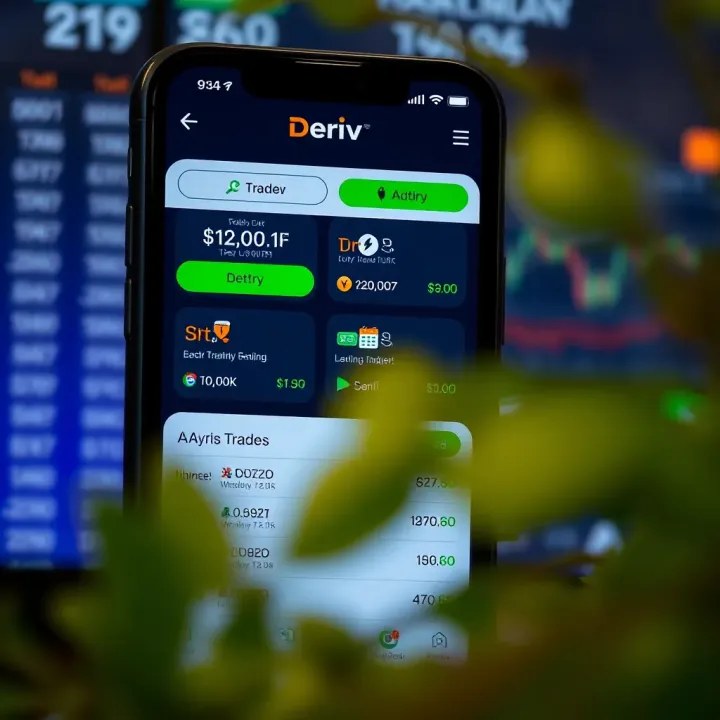
Explore the Deriv trading app tailored for Kenyan traders 📊. Learn how to set up accounts, manage risks, and trade smart with real support 📱.
Based on 9 reviews