
Understanding Binary.com Bots for Kenyan Traders
Discover how Binary.com bots work, their benefits, risks, and setup tips for traders in Kenya 🇰🇪. Learn practical strategies and the ethics of automated trading 🤖📈.
Edited By
Ethan Clarke
Free trading bots have become quite popular among Kenyan traders looking to automate their market activities. At their core, these bots are software programmes designed to execute trades on your behalf based on pre-set rules or algorithms. Unlike manual trading, where you constantly watch the market and make decisions, bots can monitor prices, execute trades, and manage risk without needing your constant input.
One practical example is a trader who wants to buy shares in Safaricom when the price drops below KSh 30 and sell once it hits KSh 35. A free trading bot can handle this automatically, eliminating delays from manual orders and reducing emotional trading errors.

Most bots connect to online trading platforms using APIs (application programming interfaces), allowing them to receive real-time market data and place buy or sell orders. Kenyan traders typically engage with bots for forex, stock, or cryptocurrency trading through platforms like the Nairobi Securities Exchange (NSE) or popular crypto exchanges such as Binance.
Bots analyse market indicators—like moving averages, volume, or price trends—to decide when to enter or exit trades. Users configure these settings depending on their risk appetite and trading strategy. Some bots offer simple rule-based automation, while others use machine learning or AI for more complex decisions.
Using free bots can save time and avoid the emotional swings often experienced in manual trading, but they also come with risks such as technical glitches or market volatility.
Using free trading bots allows Kenyan traders to:
Operate 24/7: Bots don’t need breaks and can catch opportunities outside traditional market hours.
Backtest strategies: Some free bots enable you to test strategies using historical data before risking actual money.
Access automation at low cost: Free options lower the entry barrier, especially for beginners or those with limited capital.
However, some key points to consider are:
Free bots may have limited features compared to paid versions.
Security is crucial because bots require access to your trading accounts.
Market conditions can change rapidly; bots might not adapt without manual oversight.
In summary, free trading bots provide a practical tool for Kenyan traders aiming to streamline their activities and potentially improve consistency. But it’s wise to understand how they operate, test them thoroughly, and maintain active supervision to avoid unnecessary losses.
Understanding free trading bots is vital for any Kenyan trader keen on automating parts of their trading process. These bots operate by following programmed rules to buy or sell assets without human intervention, which can save time and help capture market opportunities even when you’re away. However, knowing how they work and their limitations helps you use them wisely and avoid common pitfalls.
Algorithmic trading means using computer programmes to automatically make trading decisions based on pre-set criteria. It removes the need to watch markets constantly, which can be challenging for retail traders juggling other commitments. For example, a bot might be set to buy a certain stock if its price falls by 2% or sell a cryptocurrency once it hits a target profit margin. This kind of automation helps Kenyan traders maintain discipline and stick to strategies without emotions interfering.
Trading bots automate buying and selling by continuously scanning market data and executing trades when conditions defined in their algorithms are met. Think of it like setting a strict timetable for your investments that runs around the clock. This is particularly useful in Kenya, where market hours and personal schedules might not always align, allowing traders to benefit from global markets active at all hours.
Market data inputs are the real-time information feeds bots rely on to make decisions. This data can include price quotes, volume, order books, and news. For instance, a bot might use exchange data from NSE or international cryptocurrency platforms. The quality and speed of these inputs determine how well the bot reacts to market changes.
Strategy algorithms are the rules or formulas the bot follows to decide when to buy or sell. These algorithms can be simple, like following moving averages, or complex, incorporating technical indicators and market sentiment analysis. Kenyan traders can choose or customise these strategies depending on their risk appetite and market focus.
Execution mechanisms refer to how the bot places and manages trades. This involves interacting with trading platforms via APIs (Application Programming Interfaces), ensuring orders are sent correctly and timely. A reliable execution mechanism prevents problems like order delays or partial fills, which can negatively affect trading performance.
Free trading bots often come with limitations like fewer features, restricted access to advanced strategies, or limited support. For example, they might only work with a handful of exchanges or lack customisation options. While these bots can suit beginners or traders testing automation, they may not handle complex needs or high-frequency trading.
Paid bots usually operate on subscription models, charging monthly or yearly fees ranging from a few hundred to several thousand Kenyan shillings. They tend to offer more robust strategies, better security, regular updates, and priority support. For instance, a paid bot might support integrated risk management tools or AI-driven analytics. The extra cost can be justified for active traders who want reliability and more control over their trades.
Using the right bot depends on balancing your trading goals, technical skills, and budget — free bots offer a good starting point, but knowing their scope helps avoid disappointments.
Understanding how free trading bots function sets the foundation for making informed choices, especially for Kenyan traders venturing into automated strategies with limited resources.
Trading bots, especially the free ones, offer several benefits but also come with challenges worth considering. For Kenyan traders, understanding these pros and cons can help decide whether to incorporate bots into their trading toolkit and how to manage the risks.
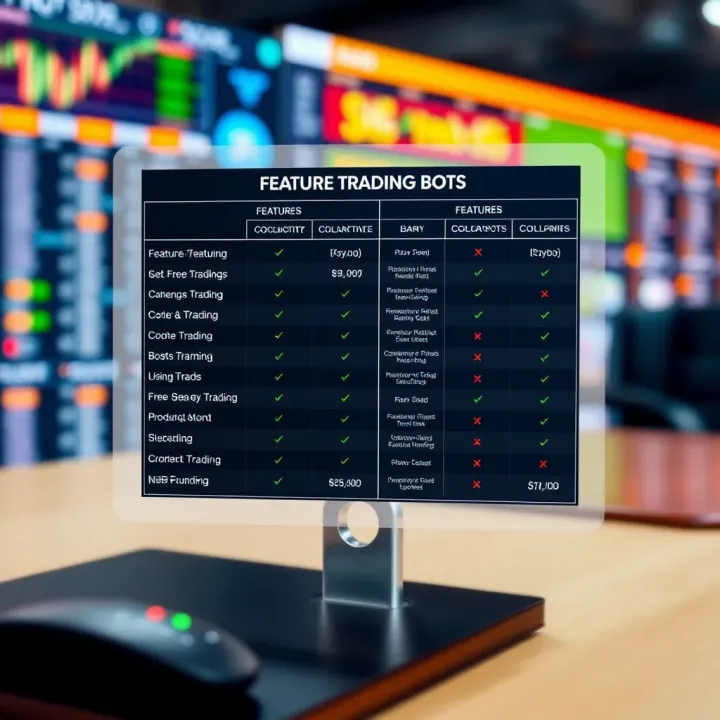
Free trading bots are a godsend for newcomers who may not want to part with their hard-earned KSh during the learning curve. These bots usually offer basic functionality without subscription fees, which allows users to practise automated trading without upfront costs. For example, a trader testing out crypto strategies on a platform like Gekko in Nairobi only needs internet access and a basic computer. This low-cost entry helps avoid losing money on expensive software while building confidence.
Free bots give traders a sandbox to experiment with different algorithms or trading approaches without committing real funds immediately. By running simulations or paper trades, traders can evaluate what works—and what doesn’t—in a controlled setting. Kenyan users might test bots on demo accounts from brokers or cryptocurrency exchanges before going live, discovering the quirks of automation with minimal risk.
Markets do not sleep, and one main advantage of bots is their ability to watch markets continuously. In Kenya, where many traders juggle jobs or family commitments, bots can spot trade opportunities or exit positions even when the user is offline. This nonstop vigilance can prevent missing out on quick price moves that happen outside regular working hours.
Free bots tend to provide basic tools and may lack advanced options paid versions offer. For instance, a bot might only allow preset trading strategies without the chance to code custom indicators or tweak risk management extensively. This can curb more experienced traders’ flexibility and reduce effectiveness in complex markets.
Using free bots often means relying on open-source projects or unofficial providers. This raises the risk of security loopholes or data mishandling, especially concerning the management of API keys that connect bots to trading accounts. Kenyan traders must stay vigilant to protect their accounts and personal data, avoiding sharing login details or using bots from unverified sources.
Bots operate based on rules set by users but the markets can be unpredictable, influenced by news, government changes, or sudden spikes in volatility. Relying solely on bots without human judgement can lead to losses, particularly if the bot cannot adapt. Kenyan traders should monitor automated trades regularly and be ready to intervene when conditions change.
While free trading bots provide a valuable stepping stone, balancing their strengths and limitations with informed oversight is key to success in automated trading.
Choosing the right free trading bot is more than just picking a popular name. It’s about finding one that fits your trading style, matches your technical know-how, and offers the necessary support and security for a safe experience. Kenyan traders especially need a reliable setup since network stability and access to local markets can be challenging at times. Here are the main features to consider when selecting a free bot.
User-friendly interfaces make using trading bots less intimidating, especially for new traders. A straightforward dashboard with clear charts and easy-to-understand controls means you spend less time figuring out the software and more time focusing on market moves. For instance, a bot that shows your current positions, profits, and losses clearly helps you monitor performance without digging through complicated menus.
Simple installation and configuration are key for Kenyan traders who might not have steady internet or advanced technical support. A bot that installs with a few clicks and requires minimal setup lets you start trading quickly. Some bots offer step-by-step wizards or pre-set strategies, which help those not comfortable editing complex parameters. This lowers the barrier to entry, especially for traders who want to test automated trading without investing hours into setup.
It's important that the bot supports exchanges accessible to Kenyan traders, both local and international. Many Kenyan traders use platforms like the Nairobi Securities Exchange (NSE) or global crypto exchanges such as Binance and Kraken. A bot that integrates directly with these exchanges can execute trades seamlessly, saving you manual effort.
Besides, having a wide range of asset types is beneficial depending on your focus. Some bots only trade cryptocurrencies, while others offer stocks, forex pairs, or commodities. A Kenyan trader might want to start by automating forex trades on platforms like ForexTime (FXTM) or experiment with cryptocurrencies, which have grown popular here. It’s good for the bot to cater to these multiple asset classes.
Since trading bots usually access your exchange accounts, solid data protection practices are vital. This means encrypting your data, securing communication channels, and keeping your account details private. Poor security can expose you to hacks and losses.
Equally critical is API key management and permissions. Bots should allow setting read-only or trading permissions, controlled tightly by the user. For example, a bot that can’t withdraw funds but can execute trades is safer. Kenyan traders should be cautious about sharing unrestricted API keys.
Always treat your API keys like your bank PIN: never share them recklessly, and restrict permissions where possible.
A strong user community and forums can be a real lifesaver. Kenyan traders often rely on peer advice, and platforms with active user groups help troubleshoot problems or share winning strategies. It’s easier to learn and feel confident when you’re not alone.
Additionally, the availability of tutorials, FAQs, and support resources makes a big difference. A reliable free bot typically provides guides, video walkthroughs, and quick support to help you get started and resolve issues promptly. This can be especially valuable for traders outside major centres like Nairobi who may lack quick access to in-person tech help.
In summary, when picking a free trading bot in Kenya, look for simplicity, broad market access, strong security, and active community support. These features will put you in a stronger position to use automation as a tool rather than a gamble.
Free trading bots offer Kenyan traders a way to automate market activities without upfront costs, which is especially useful for those testing strategies or with limited capital. To make informed choices, it helps to know the popular free bots available locally and their practical strengths and weaknesses.
Gekko is an open-source trading bot known for its simplicity and ease of use. Kenyan traders find it useful because it supports backtesting, which means you can simulate your bot's performance on historical market data before risking actual funds. Gekko works with several popular exchanges, including some that are accessible from Kenya, making it practical for local traders looking to automate cryptocurrency trading without the hassle of complex setups.
Frequenex is another free bot that appeals for its user-friendly interface and straightforward strategy implementation. Unlike some bots that require deep technical knowledge, Frequenex allows both beginners and intermediate traders to set up automated trading strategies quickly. Its focus on cryptocurrencies suits many Kenyan traders who are active in the crypto space, especially since it supports popular exchanges like Binance and Kraken.
Zenbot stands out for its advanced features despite being free. It supports high-frequency trading strategies and can handle multiple assets simultaneously. This makes it appealing for more ambitious traders in Kenya who want to experiment with rapid trading moves. Zenbot also supports custom scripting, which allows tech-savvy users to tailor algorithms to their preferences.
Supported exchanges differ across these bots. Gekko handles a select number of major exchanges while Zenbot tends to cover more but may require more technical skill to connect properly. Frequenex limits support mostly to bigger cryptocurrency exchanges. Choosing a bot with exchanges you can easily access from Kenya matters since some platforms have restrictions or limited local payment options.
Customisation options vary. Zenbot offers deeper customisation for strategies, which suits those wanting to tweak their approaches exhaustively. Gekko and Frequenex are more constrained but simpler, which suits new traders who prefer ready-made setups. The trade-off is between ease of entry and flexibility.
User experience and community support also differ. Gekko has a strong online community, sharing guides and fixes that help Kenyan users navigate challenges. Zenbot’s community is smaller but often provides more technical resources. Frequenex, while simpler, has less community engagement, so users may need to rely more on official documentation or forums.
Downloading and running bots locally is the most straightforward approach. Kenyan traders can download these bots onto their computers and run them without ongoing fees. However, it requires a stable laptop or PC and some comfort with basic software installation.
Using cloud services to host bots offers another option. This means running your bot on online servers, keeping it active 24/7 without depending on your home internet or PC uptime. Services like AWS or DigitalOcean are popular choices. Though this option involves additional costs, it is ideal for serious Kenyan traders who want constant market monitoring without interruptions.
Network and bandwidth considerations in Kenya are crucial since most bots depend on stable internet to execute trades promptly. Nairobi and other major cities generally have reliable internet, but in some areas, disruptions and slow speeds may cause delays in bot responses, potentially leading to losses. Traders should consider local internet quality when deciding whether to run bots locally or through cloud services.
Taking time to assess these practical aspects — from bot features to local internet realities — helps Kenyan traders make smart decisions on using free trading bots effectively.
Using free trading bots effectively requires more than just setting them up and letting them run. Kenyan traders need to approach these tools with practical strategies to minimise risks and maximise benefits. The right approach combines testing, careful monitoring, security consciousness, and awareness of hidden costs. These tips help build confidence and improve trading outcomes over time.
Before committing real money, testing trading bots with demo accounts is essential. Demo accounts simulate real trading environments but use virtual funds, so you can experiment without risking your capital. For instance, if you’re working with a bot on a local crypto exchange like BitPesa or an international platform supported in Kenya such as Binance, demo trading lets you try different strategies and see how the bot performs in varying market conditions.
Monitoring the bot's performance during testing is just as crucial. Keep track of metrics like win-loss ratios, drawdowns, and trade frequency to understand how the bot reacts to the market. For example, if a bot tends to overtrade during volatile periods, you might want to adjust the strategy or set tighter stop losses. Regular evaluation and tweaks based on these insights help refine the bot’s effectiveness before live deployment.
Even the best automated systems need human oversight. Knowing when to intervene is vital because markets can be unpredictable, especially during sudden news events like Central Bank of Kenya announcements or unexpected geopolitical developments. If your bot is automatically trading forex or cryptocurrencies and market conditions shift sharply, you may need to pause or adjust its parameters to avoid unnecessary losses.
Balancing automation with market insights means using bots as tools rather than replacements for your judgement. For example, you might let the bot handle routine trades but step in to execute decisions driven by fundamental analysis, such as reactions to KRA policy changes or NSE movements. This approach keeps your trading flexible and responsive while benefiting from 24/7 market monitoring.
Protecting your API keys and personal data should be a top priority. API keys allow bots to trade on your behalf, but if they fall into the wrong hands, it could lead to significant losses. Store keys securely, avoid sharing them, and use bots that allow read-only or limited permissions to reduce risks. Kenyan traders using local internet cafés or public Wi-Fi should be especially careful to prevent data leaks.
Choosing trustworthy bot providers involves researching their reputation, user feedback, and update frequency. Popular open-source bots like Gekko and Zenbot have communities where users share experiences, which helps identify reliable software. Avoid bots promising unrealistic profits or requiring full withdrawal access without proper safeguards.
Trading fees on exchanges can eat into your profits, even when the bot itself is free. Popular Kenyan-accessible platforms like NSE, Binance, or Coinbase charge fees per trade, which can add up if the bot trades frequently. It’s important to factor these costs into your strategy and choose exchanges with fair fee structures.
Data usage and internet costs in Kenya also matter. Bots need uninterrupted internet to function properly. Running a bot on unstable networks or limited data plans can cause missed trades or system failures. For instance, using mobile internet on Safaricom’s network might be affordable but can face outages. Consider stable home broadband or cloud hosting services with reliable connectivity to keep your bot active round the clock.
Practical use of free trading bots in Kenya means blending technology with local realities—testing cautiously, watching closely, securing sensibly, and counting costs carefully ensure success without surprises.
Discover how Binary.com bots work, their benefits, risks, and setup tips for traders in Kenya 🇰🇪. Learn practical strategies and the ethics of automated trading 🤖📈.

Explore Binary Trading View 📊 for Kenyan traders 🇰🇪 with tools, strategies, and tips to navigate binary options confidently while managing risks wisely.
🔒 Explore secure binary trading login tips for Kenyan traders. Learn registration steps, tackle login issues, and protect your account effectively!

Explore how binary options trading works in Kenya 📊, learn key strategies, understand risks, and get tips for smarter trading decisions.
Based on 11 reviews