
Understanding Deriv.com for Kenyan Traders
Explore Deriv.com for Kenyan traders 🇰🇪! Learn about accounts, tools, security, depositing, and tips for safe, smooth online trading experience.
Edited By
Charlotte Adams
If you're considering trading with HotForex from Kenya, understanding the minimum deposit requirement is a good first step. The minimum deposit is the smallest amount of money you need to fund your trading account before you can start buying and selling currencies or commodities. This amount affects how much flexibility you get in the beginning and how you manage your risk.
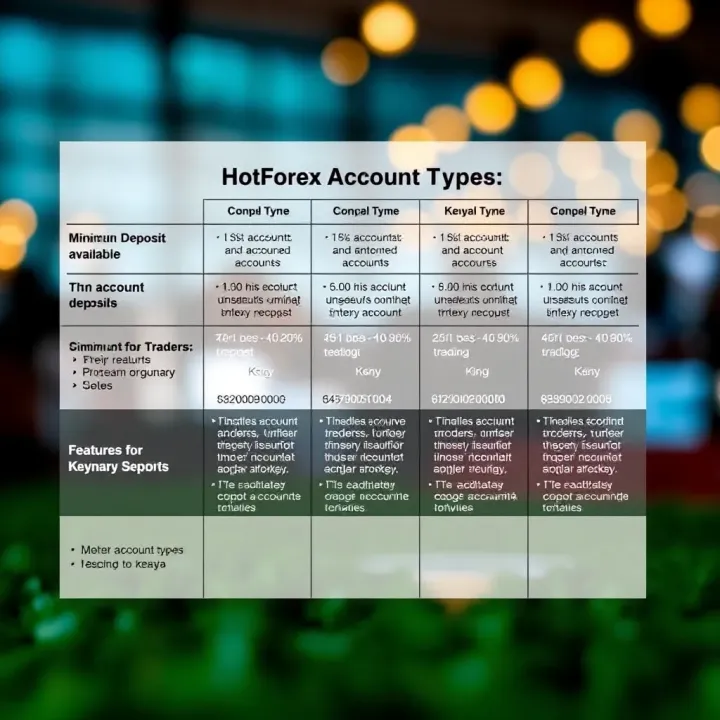
HotForex offers different account types, each with its own minimum deposit. For example, the Micro Account often requires just $5 (about KSh 600), making it accessible for many first-time traders. On the other hand, accounts like Zero Spread or PAMM have higher minimum deposits, usually around $100 or more. Choosing the right account relates directly to your budget and trading goals—starting small is quite common, especially when testing a new broker.
Kenyan traders benefit from payment methods that suit local preferences. M-Pesa is widely accepted for deposits on HotForex and is preferable for its speed and security. Other options include bank transfers and credit/debit cards, but M-Pesa tends to be more convenient and affordable for everyday traders. When funding your account, always check for any transaction fees or processing times to avoid surprises.
Remember, the minimum deposit is not the amount you must keep in your account: you can usually add more funds as you go.
Before committing your funds, consider these factors:
Trading strategy: Are you a day trader or looking to hold positions longer? Starting with a smaller deposit might limit the trades you can make.
Risk tolerance: Can you afford to lose the amount you deposit? Never risk money you can't lose.
Broker regulations and safeguards: HotForex is regulated internationally, but ensure you understand the protections available to Kenyan clients.
Understanding the minimum deposit requirement helps you plan your entry into Forex trading with clearer expectations and better risk control.
Next, we'll look deeper into the various account types HotForex offers and how the deposit size can influence your experience.
Starting with an overview of HotForex and its account options is key if you want to understand the minimum deposit requirements better. It sets the stage by explaining what HotForex offers and what you should expect before committing your KSh. HotForex is not just another online broker; it provides several account types tailored to different trading styles and budgets, relevant for Kenyan traders aiming for clear choices upfront.
HotForex operates under regulatory bodies like the Financial Conduct Authority (FCA) and the Cyprus Securities and Exchange Commission (CySEC), offering a level of assurance on client fund safety. This means your deposits are held in segregated accounts separate from company funds, reducing the risk of loss if the company faces difficulties. For Kenyan traders, this regulatory backing confirms that HotForex follows international best practices, unlike unregulated platforms where your money could be at higher risk.
Though HotForex is a global player spanning multiple continents, it has gained considerable traction in Kenya thanks to user-friendly services and local payment integrations like M-Pesa. Its presence means customers in Kenya can access support that understands local payment methods and regulations, making deposits and withdrawals smoother. The broker’s global reach also means access to a wide range of markets paired with reliable technology for trading.
The Micro Account is ideal for Kenyan traders who want to start small, usually requiring a minimum deposit of around KSh 3,000 (or $5 equivalent). This account allows you to trade smaller lot sizes, reducing financial exposure while still getting real-market experience. It’s perfect if you don’t want to risk big sums initially but want to test HotForex’s platform and trade live.
If you’ve saved a bit more and want access to better spreads and faster execution, the Premium Account is the next step. It typically requires a minimum deposit of around KSh 18,000 (equivalent to $100). This account suits Kenyan traders aiming for more serious trading with higher volumes and who want to avoid commissions by dealing with tighter spreads.
This account type appeals mostly to experienced traders who crave precision. It offers zero spreads on major currency pairs, with a commission charged per trade instead. While the minimum deposit is higher — about KSh 55,000 ($300) — it benefits traders looking for razor-thin entry points in a fast-moving market. If you intend to scalp or handle high-frequency trades, this might be a fitting choice.
Finally, the Auto Account caters to those interested in automated trading systems. This account mirrors trading strategies from professionals via Expert Advisors (EAs), allowing even novices to participate passively. The deposit requirement can vary, but it typically aligns with the Premium Account. Kenyan traders who don’t have time to monitor markets daily but want to capitalise on algorithmic trading often prefer this option.
Choosing the right HotForex account depends on your trading goals and how much you are willing to put down initially. Understanding each option helps you avoid surprises, especially around minimum deposits and fees.
By knowing HotForex's regulatory environment, global footprint, and clear differences in account types, Kenyan traders can make a confident decision that fits their trading budget and strategy.
Understanding the minimum deposit requirements for each HotForex account type is vital for Kenyan traders. These requirements determine how much capital you need to start trading and affect how you manage your funds. Knowing these details upfront helps you pick an account that suits your budget and trading style without wasting time or resources.
The Micro Account is designed for beginners or those who want to test the waters with smaller funds. HotForex sets the minimum deposit for this account at KS,000 (approximately $35). This low entry point makes it accessible for many Kenyan traders who may not have large capitals but want to get experience in live markets. For example, a university graduate with limited savings could start here, practising risk management without committing too much.
The Premium Account requires a minimum deposit of KS0,000 (around $170). This account targets traders who have moved past the basic level and want access to more features, such as tighter spreads and better execution. For Kenyan traders, if you already have some saving or earnings from side hustles, this account strikes a balance between affordability and more serious trading conditions. It offers an upgrade that can support moderate trading volumes with potentially higher returns.
These accounts require a higher minimum deposit—usually starting at KS0,000 (about $340). The Zero Spread Account is valuable for scalpers and high-frequency traders seeking almost zero difference between buy and sell prices, which is key in quick trades. The Auto Account is for automated trading strategies requiring stronger capital backing due to the risks involved. For a Kenyan trader aiming for these accounts, the deposit size demands sharper focus on having the right budget and clear trading goals to justify the higher initial outlay.
Kenyan traders must weigh their starting capital against everyday expenses and savings goals. A heavy deposit might drain funds meant for essentials or emergency use. For instance, a trader in Nairobi juggling family care and trading should avoid risking KS0,000 all at once. Instead, picking an account with a suitable minimum deposit ensures that trading remains a sustainable part of their financial plan.
Aligning your deposit amount with your trading objectives is critical. If your goal is to earn steady side income over time, starting with a Micro or Premium Account is sensible. On the other hand, if you want to make larger, quicker profits through frequent trades, the Zero Spread or Auto Accounts might be worth the larger deposit. The point is to match your funds clearly with what you want out of trading, reducing chances of overextending yourself.
Choosing the right HotForex account based on deposit requirements is more than just money—it shapes your trading approach and safeguards your financial health.
In summary, Kenyan traders should assess their finances carefully and consider the practical implications of each HotForex account's minimum deposit. Doing so helps make trading sustainable and tailored to individual goals and risk levels.
Choosing the right method to fund your HotForex trading account is key to having a smooth and reliable trading experience. In Kenya, the popularity and accessibility of payment options vary, so understanding which channels HotForex supports locally can save you time and reduce extra costs. From mobile money services to traditional bank transfers and card payments, each option has practical advantages and limitations worth considering.
M-Pesa stands out as the most popular mobile payment method in Kenya, thanks to its widespread use and convenience. Funding your HotForex account via M-Pesa involves linking your trading account to a payment gateway that supports mobile money deposits. Once linked, you can initiate deposits directly from your Safaricom mobile wallet using the paybill or till number provided by HotForex's local partners or platforms.
The M-Pesa deposit process is straightforward and usually instant, which helps traders fund accounts quickly and jump into trading without unnecessary delays. Plus, since many Kenyans are familiar with M-Pesa, using it for deposits feels natural and avoids the need for bank visits or complex online banking steps.
That said, M-Pesa deposits often have transaction limits in place, usually not exceeding KSh 150,000 per day, which might restrict larger traders. Additionally, while deposit fees are generally low, these charges can add up if you transact frequently. Also, not all brokers have integrated M-Pesa as a payment option, so confirm availability before you open your account.
Bank transfers offer a more traditional route for funding your HotForex account. Kenyan banks such as Equity Bank, KCB, and Co-operative Bank facilitate electronic fund transfers that are usually secure and supported by various forex brokers. Bank transfers are better suited for larger deposits since they typically have higher transaction limits and more extensive customer support.
However, bank transfers might take one to three business days before reflecting in your trading account, which can delay your ability to trade, especially if market conditions change rapidly. Moreover, transfer fees and foreign exchange charges may apply, so check with your bank ahead of time.
Credit and debit cards are another popular way to deposit funds quickly on HotForex. Visa and Mastercard, widely accepted in Kenya, allow instant deposits, making them ideal for traders who want fast access to capital. Card payments also provide an extra layer of security and chargeback options in case of disputes.
Yet, some card issuers might block transactions to forex brokers due to regulatory checks, and there may be limits on how much you can deposit at once. Additionally, card payment processors sometimes charge fees, which can eat into your deposit.
E-wallets and online payment platforms like Skrill, Neteller, or PayPal, although less commonly used in Kenya compared to M-Pesa, offer speedy deposits and instant account funding. These platforms suit Kenyan traders who operate internationally or want to separate trading funds from personal bank accounts.
Keep in mind, e-wallets require some setup and verification steps. Their availability with HotForex also depends on the broker's payment policies. Fees and currency conversion charges might apply, so weigh these against the convenience they provide.
When selecting your deposit method, balance speed, fees, limits, and ease of use. For many Kenyan traders, M-Pesa remains the favourite, but understanding all options lets you choose one that fits your trading strategy best.
When preparing to fund your HotForex account, it's vital to carefully consider several factors that could influence your trading success. Kenyan traders often jump in without fully assessing their financial capacity or understanding deposit policies, which can lead to unnecessary risks or delays. Taking time to evaluate your budget and get acquainted with withdrawal and deposit rules helps ensure smoother trading experiences right from the start.
Setting realistic deposit amounts is the first step. While HotForex offers accounts with minimum deposit levels as low as KSh 1,000 for micro accounts, you shouldn’t feel pressured to deposit that amount just because it’s the minimum. Instead, decide on an amount that fits within your disposable income — money you can afford to lose without affecting daily life or family responsibilities. For instance, if you usually set aside KSh 5,000 monthly for side ventures, allocating KSh 1,500 to trading aligns better with your budget and gives room to learn and adjust without immediate financial strain.
Managing exposure and leverage comes next. HotForex allows leverage which can magnify both gains and losses. Suppose you deposit KSh 10,000 with leverage of 1:100; your purchasing power increases significantly, but so does risk exposure. Without careful management, one wrong move could wipe out your deposit fast. It’s wise to start with lower leverage and smaller trade sizes to protect your capital. Traders new to forex should keep risk per trade under 2% of their deposit, avoiding overexposure that could cause severe depletion of funds.
Deposit processing times vary depending on payment methods used. For Kenyan traders, M-Pesa deposits often reflect instantly or within minutes, making it convenient for fast trading. Other means, like bank transfers, might take one to three business days. Knowing such timelines helps you plan deposits ahead to avoid missing trading opportunities due to waiting periods.
Regarding withdrawal procedures and timelines, HotForex processes withdrawal requests promptly, but Kenyan users must meet verification requirements and sometimes face delays if documentation isn’t complete. Withdrawals to M-Pesa are generally faster compared to international bank transfers that may take several business days. Being clear on these policies prevents unnecessary frustration and aids in effective fund management.
Always double-check account verification and payment details before making deposits or withdrawals, especially when using multiple payment methods.
Being well-informed about these factors equips you to approach your HotForex trading journey in Kenya with confidence and reduces surprises that could disrupt your investment and trading plan.
Getting started on HotForex requires a clear understanding of how to open and verify your account, alongside strategic ways to make your initial deposit work harder. Kenyan traders benefit from knowing these steps well, as they help avoid delays and maximise their trading experience.
For Kenyan users, HotForex mandates specific documents during the account opening process to comply with regulations and prevent fraud. You'll typically need a valid government-issued ID, such as a Kenyan national ID card or passport, alongside proof of residence. Common proofs include recent utility bills or bank statements dated within the last three months. These documents confirm your identity and ensure the broker meets Know Your Customer (KYC) standards.
Verification is straightforward but essential. After submitting your documents via the HotForex online portal or mobile app, the review usually takes between one to three business days. Accurate and clear documents speed up the process. Once verified, your account receives full access to all trading features and deposit options. Unverified accounts might face restrictions on withdrawals or trading limits.
HotForex periodically offers bonuses or promotions that Kenyan traders can take advantage of to boost their starting capital. For instance, welcome bonuses might increase your deposited funds by a certain percentage or offer commission rebates. These promotions provide you with a bit more breathing room as you navigate the market, especially useful when your deposit is modest. However, always read the terms carefully; some bonuses have conditions attached, like minimum trade volumes before withdrawal.
Before risking real money, practising with HotForex’s demo accounts is wise. Demo trading replicates real market conditions without real cash, allowing you to test strategies, understand the platform, and build confidence. For example, if you plan to trade forex pairs like USD/KES or EUR/USD, a demo lets you familiarise yourself without pressure. Practising helps prevent costly mistakes when you finally fund your live account and ensures your initial deposit gets put to the best use.
Taking time to verify your account carefully and using demo accounts can save you headaches and protect your funds as you start trading with HotForex.
Being informed about these simple steps ensures Kenyan traders do not hit avoidable snags after depositing. It also sets the foundation for a smoother and potentially more profitable trading journey on HotForex.
Explore Deriv.com for Kenyan traders 🇰🇪! Learn about accounts, tools, security, depositing, and tips for safe, smooth online trading experience.
💰 Learn about Deriv minimum deposit rules across different payment methods and accounts. Get tips to fund safely and trade smartly in Kenya and beyond.

📊 Discover how demo accounts help Kenyan traders practice risk-free, pick the right platform, and avoid common mistakes. Start smarter trading today!
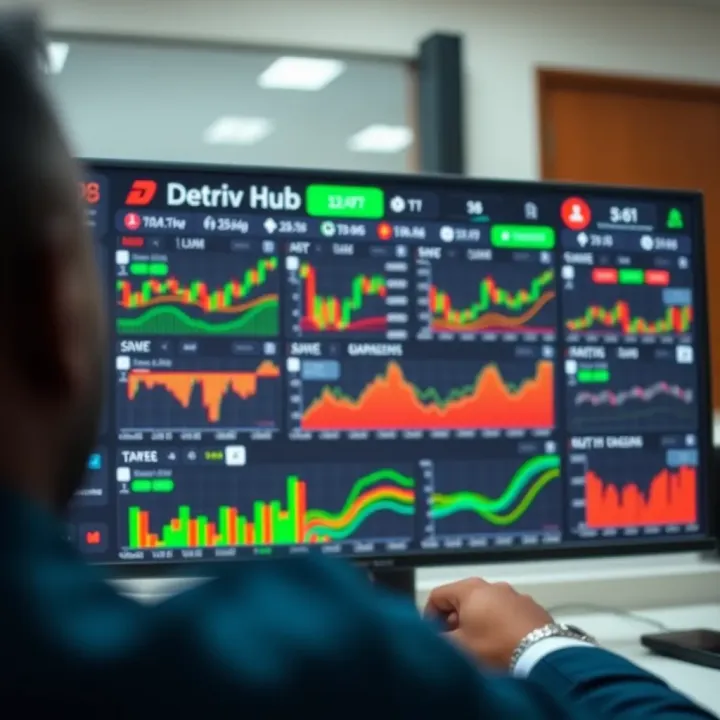
Explore Deriv Hub in Kenya 🇰🇪 with a full guide on account types, security, tools, and risk management for smarter online trading 📈💼
Based on 10 reviews