

How to Trade Forex on Deriv: A Kenyan Guide
📈 Discover how to trade forex on Deriv with a step-by-step guide for Kenyan traders. Learn account setup, platform features, forex pairs, plus smart strategies!
Edited By
Amelia Clarke
Trading cryptocurrency in Kenya has gained ground among investors, entrepreneurs, and financial advisors keen on diversifying their portfolios. Unlike traditional stocks or bonds, cryptocurrencies like Bitcoin and Ethereum operate on blockchain technology, offering decentralised trading outside conventional banking systems.
Before you start, it's key to understand that cryptocurrency trading involves buying and selling digital assets to profit from market price changes. Kenyan traders often use platforms that integrate mobile money services such as M-Pesa for seamless deposits and withdrawals, simplifying the funding process.
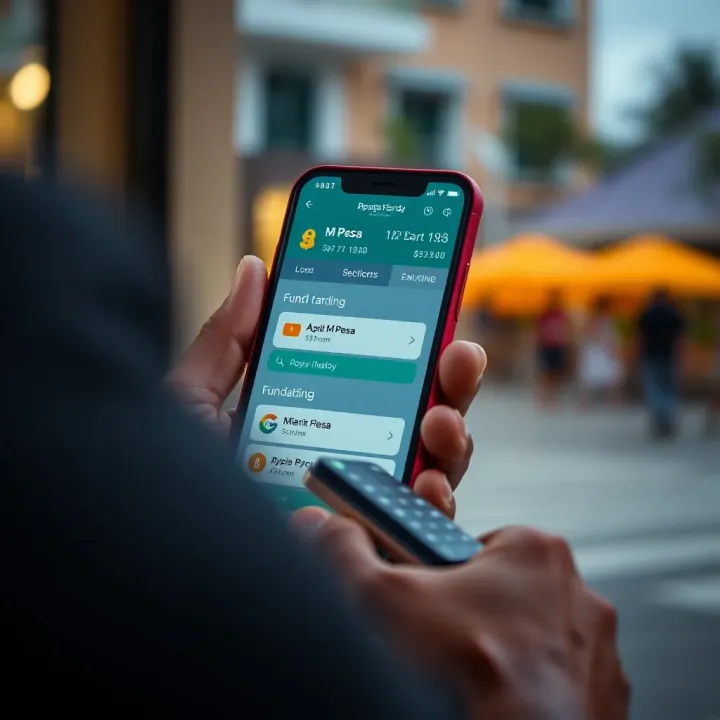
Choosing the right trading platform is your first step. Look for platforms licensed or recognised by Kenyan authorities or global regulators. Popular exchanges with Kenyan users include Binance, Paxful, and Bitpesa, which offer M-Pesa integration. Always check the trading fees, security features, and ease of use before committing.
Remember, the Kenyan market is still adapting to cryptocurrency, so regulatory status can shift. Keeping informed via the Capital Markets Authority (CMA) or Central Bank of Kenya (CBK) updates helps you trade within legal bounds.
Managing risks is crucial. Cryptocurrency prices can be volatile; for instance, Bitcoin’s value can swing by double-digit percentages within days. Use strategies like setting stop-loss orders, diversifying your crypto holdings, and never investing funds you can’t afford to lose.
To fund your account, mobile money transfer via M-Pesa is often the fastest method. Some platforms also accept bank transfers or card payments. For example, using the Lipa Na M-Pesa service directly on an exchange shortens the deposit time compared to traditional bank processes.
Understanding local regulations is essential. In Kenya, cryptocurrencies are not legal tender, and the CBK has warned against them, but trading is not banned outright. Compliance means accurate record-keeping and transparent tax payments where applicable.
Security should top your checklist. Use strong, unique passwords, enable two-factor authentication, and beware of phishing scams. Always withdraw profits to secure wallets rather than leaving funds on exchange platforms.
By focusing on these practical tips, you’ll be better placed to navigate crypto trading in Kenya confidently and safely.
Grasping the basics of cryptocurrency trading is essential before stepping into this market. Knowing how trading works helps you make informed decisions, avoid common pitfalls, and better navigate the ups and downs of digital currencies. For instance, understanding why Bitcoin’s price might soar or drop within hours allows you to plan your trades or investments more wisely.
Cryptocurrency is a type of digital money secured by cryptography, making it nearly impossible to counterfeit. Popular examples include Bitcoin, Ethereum, and Ripple. Unlike traditional currencies, cryptocurrencies rely on decentralised systems, usually blockchain technology, which means no single entity controls them. This makes transactions transparent and sometimes faster, especially for cross-border transfers.
In Kenya, cryptocurrencies have caught on because they offer an alternative to traditional banking, especially for those without easy access to banks. Many traders see crypto as a way to diversify their financial activities beyond local currencies and stocks.
Trading involves buying and selling cryptocurrencies frequently to take advantage of short-term price changes. For example, a trader might buy Ethereum when its price dips in a day and sell when it rises a few hours later. Investors, on the other hand, tend to hold cryptocurrencies for longer periods, betting on their overall growth over months or years.
This distinction matters in Kenya where market volatility can be high. Traders need quick access to platforms and reliable internet, while investors focus on secure wallets and long-term storage. Knowing the difference helps you decide the approach that fits your lifestyle, risk appetite, and financial goals.
Bitcoin remains the most widely recognised cryptocurrency here, often used for remittances and payments. Ethereum also enjoys popularity due to its smart contract capabilities, which power decentralised finance (DeFi) applications. Other coins like Binance Coin (BNB) and Dogecoin have found niche followings, partly due to hype and social media.
Awareness of these main currencies helps you pick where to start trading and avoid less reputable alternatives that might be harder to sell or more prone to scams.
Crypto exchanges are the marketplaces where traders buy and sell digital coins. In Kenya, platforms like Binance, Coinbase, and local ones such as BitPesa and Paxful offer access to these markets. Exchanges connect buyers and sellers and provide tools like charts and order books to help with trading decisions.
Choosing a reputable exchange is key. Some offer local payment options like M-Pesa, which simplifies funding your trading account. Others have higher fees or less liquidity, which can affect how quickly your trades execute.
Cryptocurrency prices can change fast—sometimes within minutes. Liquidity refers to how easily you can buy or sell an asset without affecting its price much. Popular cryptocurrencies like Bitcoin usually have high liquidity, meaning you can trade large amounts at stable prices. Less-known coins might be more volatile and harder to sell quickly.
Understanding liquidity helps protect your investment from sudden crashes. For example, a Kenyan trader selling a rare altcoin might struggle to find buyers, leading to a price drop. Monitoring market depth and trade volumes is part of managing that risk.
Trading pairs show which two assets you can exchange directly, like Bitcoin to Kenyan Shilling (BTC/KES) or Ethereum to Bitcoin (ETH/BTC). In Kenya, pairs involving KES are more convenient for those using local currency, avoiding extra conversion steps.
Markets include spot trading (instant buying/selling) and futures trading (contracts betting on future prices). Spot markets suit beginners while futures might appeal to advanced traders seeking larger gains but facing higher risks.
Knowing these market mechanics allows you to pick the right trading opportunities and avoid unnecessary costs or delays.
Understanding these basics puts you in a stronger position to trade cryptocurrency safely and effectively within Kenya’s growing market.
Selecting the right cryptocurrency trading platform is a key step for anyone looking to trade crypto effectively in Kenya. The choice affects everything from security and ease of use to access to popular coins and smooth payment options. In a market flooded with options, knowing what to prioritise helps you avoid headaches and potential losses.
Security stands out as a top concern, especially given the rise of cybercrime in Kenya’s digital space. A trustworthy platform uses strong encryption, two-factor authentication (2FA), and cold storage to protect your funds. For example, platforms that store the majority of cryptocurrencies offline reduce the risk of hacking. The practical benefit is clear: robust security reduces your chance of losing assets to fraud or theft.
Kenyan traders should also check if the platform complies with Anti-Money Laundering (AML) rules and Know Your Customer (KYC) processes. These help legitimatise your account and keep the ecosystem safe, but they also mean you need to provide identification when registering.
A simple, clear interface makes trading less stressful, especially for beginners. Platforms with intuitive dashboards, straightforward order books, and easy navigation save time and reduce errors. For instance, if you can quickly place market or limit orders without confusion, you’re less likely to miss trading opportunities.
Mobile compatibility is another must-have feature. Since many Kenyans access the internet primarily via smartphones, platforms optimised for mobile give you freedom to trade from anywhere, whether commuting in a matatu or waiting in a queue.
Different traders prefer different coins. Beyond Bitcoin and Ethereum, look for platforms that list altcoins popular among Kenyan users like Ripple (XRP), Cardano (ADA), or Binance Coin (BNB). Having a wide range allows you to diversify your portfolio.
Also, consider the types of trades supported. Some platforms offer spot trading only, while others include futures and margin trading. If you’re a beginner, sticking to spot trading keeps things straightforward. More advanced traders might explore margin options, but understand the risks involved.
Kenya’s local platforms are catching up fast, with Safaricom’s M-Akiba offering a government bond investment via mobile phone that’s accessible to many first-time investors. Although not a traditional crypto exchange, it shows the move towards digital financial tools suited to the local environment.
Other platforms like BitPesa (now AZA Finance) allow Kenyans to buy and sell cryptocurrencies with M-Pesa integration, easing the deposit and withdrawal process. Local platforms typically provide better customer support and payment options adapted to Kenyan needs.
Many Kenyans use international platforms like Binance, Coinbase, and Kraken. These exchanges typically offer a larger variety of coins, advanced trading tools, and higher liquidity. However, they sometimes have limited direct M-Pesa support or slower local customer service.
Before choosing one, check whether the platform permits Kenyan residents to trade and how they handle deposits in Kenyan Shillings. Some international platforms allow funding through bank transfers or card payments linked with local banks.
The preferred deposit and withdrawal methods matter a lot. M-Pesa is king in Kenya for mobile money—for many, it's easier and safer than bank transfers. Platforms that integrate directly with M-Pesa let you fund your account instantly without needing foreign currency conversion.
Look out for platforms that have transparent fees related to deposits or withdrawals. Sometimes, you pay extra for converting KSh to USD or vice versa. A platform with smooth, low-cost M-Pesa integration improves your trading experience by minimising delays and hidden costs.
Choosing the right crypto trading platform tailored to your needs and local context can save you time, reduce risks, and enhance your chances to profit in Kenya’s growing cryptocurrency market.
Starting your first cryptocurrency trade in Kenya might seem daunting, but it is a crucial step to participate safely and confidently in this growing market. This section outlines how to open and fund your trading account, then place your first trade with clear, practical steps. Kenyan traders will benefit by avoiding common hurdles such as registration delays, payment issues, or order mishaps.
Registering and verifying identity: Almost all reputable platforms require you to register and verify your identity before trading. This step aligns with Kenya's anti-money laundering laws and helps protect your account from fraud. Typically, you must provide a valid national ID or passport alongside proof of residence. For example, when signing up on a platform like Binance or LocalBitcoins, uploading a scanned copy of your KRA PIN and a recent utility bill speeds up verification. Skipping or delaying this process can limit your access to important features, such as higher withdrawal limits or the ability to use certain payment methods.
Funding your account using local payment methods: Most platforms accessible in Kenya support local methods like M-Pesa or bank transfers for funding your trading wallet. M-Pesa remains the most convenient, allowing instant deposits right from your phone to your trading account. For instance, Safaricom’s M-Akiba offers direct investment options using M-Pesa. When using international platforms, you might need to link your Kenyan bank or use third-party services that convert KSh to USD or other currencies used in global trading. Always check for minimum deposit amounts and confirm if the platform charges fees for deposits or currency conversions.
Understanding fees and charges: Trading platforms charge various fees that affect your profits. These include deposit/withdrawal fees, trading commissions, and sometimes inactivity penalties. For Kenyan traders, commissions typically range from 0.1% to 0.5% per trade, but local platforms might charge differently depending on the payment option. Also, keep in mind that converting Kenyan Shillings to foreign currencies could attract additional charges via your bank or M-Pesa agents. Understanding these costs beforehand helps you manage expenses and plan trades smarter.
Choosing your trading pair: Every cryptotrade involves a pair of currencies, such as BTC/USDT or ETH/KES. Selecting the right pair depends on your preferred cryptocurrency and what the platform offers. For example, if you want to buy Bitcoin using Kenyan Shillings, look for platforms supporting BTC/KES pairs to avoid multiple conversions. Some Kenyan platforms might not offer direct KES pairs but use stablecoins like USDT (Tether) as an intermediate currency. Knowing how these pairs work helps prevent unnecessary costs and delays in your trade.
Market orders vs limit orders: When buying or selling crypto, you’ll choose between market and limit orders. A market order buys or sells immediately at the best available price — useful for quick trades but can be expensive during volatile times. A limit order, on the other hand, lets you set a specific price and waits until the market hits it. For example, if Bitcoin is trading at KS million but you want to buy at KS.8 million, a limit order will hold your purchase until it matches that price. Kenyan traders should consider using limit orders to avoid overpaying, especially with cryptos that fluctuate widely.
Monitoring your trade: After placing your order, it’s important to track it through your trading platform’s dashboard. Some trades execute instantly, while others, like limit orders, might take hours or days to fill. Watching your trade helps you react timely to sudden price changes or technical issues. Most platforms send notifications via email or mobile apps to keep you updated. For example, if a spike occurs in Ethereum’s price, knowing this immediately allows you to decide whether to sell or hold your position. Regular monitoring is key in the fast-moving crypto market.
Starting your first trade with clear steps and local payment options helps you build confidence. Proper account setup and understanding order types protect your investment and keep your funds secure throughout your trading journey.
By following these guidelines, Kenyan traders can avoid common pitfalls and make trades that make sense both practically and financially in the Kenyan context.
For traders in Kenya, having solid strategies is key to navigating the ups and downs of cryptocurrency markets. Unlike traditional equities, crypto pricing can be volatile, so knowing which approach works best locally helps in managing risks and maximizing returns. Kenyan traders benefit from combining global market practices with insights tailored to regional trends, economic events, and regulatory changes.
Day trading involves buying and selling cryptocurrencies within the same day to capitalise on short-term price movements. Kenyan traders who follow this style keep an eye on intraday charts and use fast execution platforms, sometimes funding accounts via M-Pesa for quick deposits. Swing trading holds positions for several days or weeks, looking to profit from medium-term trends. This can work well in Kenya where weekend news or local events, like changes in government policies or banking regulations, can shift market sentiment.
Both strategies require a firm grasp of charts and market behaviour. However, they differ in time commitment: day trading demands constant monitoring, while swing trading allows more flexibility. Kenya's timezone (EAT) overlaps well with global crypto exchanges, letting active traders catch key market hours with ease.
Technical analysis relies on examining historical price data through tools like moving averages and RSI (Relative Strength Index). Kenyan traders can enhance this by factoring in local economic indicators such as inflation reports or forex rate shifts, which sometimes reflect on crypto prices indirectly. For instance, fluctuations in the shilling's strength against the dollar might influence Bitcoin's demand locally.
Applying technical analysis alongside Kenyan-specific news helps anticipate market moves better than relying on charts alone. This localised approach prevents surprises and supports smarter entry and exit points.
HODLing means keeping your cryptocurrency for an extended time regardless of short-term volatility. This suits traders who believe in the crypto market's future growth but have limited time or experience to trade frequently. For example, a Kenyan investor might purchase Bitcoin or Ethereum and hold it through months or years, expecting appreciation.
This strategy avoids the stress of active trading and is practical when local uncertainties, like regulatory shifts or internet disruptions, make day trading less reliable. Plus, with Kenya’s growing adoption of crypto for remittances and payments, holding tokens can mean eventual utility beyond speculation.
Reliable charting apps are vital for tracking market trends and making timely trades. Kenyan traders often rely on platforms like TradingView or CoinGecko, which support mobile use essential for those who mostly trade on smartphones. Many local crypto apps integrate with M-Pesa to allow instant funding and withdrawals.
Mobile accessibility ensures that whether you are commuting on a matatu or at a duka, you can monitor your portfolio effectively without missing critical moves.
Staying updated with Kenyan crypto news enables traders to spot local developments affecting markets. Websites like BitcoinKE and business sections of mainstream media provide relevant updates on regulation, adoption, and scams, which can alter trader behaviour.
Timely news alerts can warn you about sudden policy announcements or changes in exchange operations, helping you adjust your trades accordingly.
Joining crypto communities on platforms like WhatsApp, Telegram, or Facebook groups provides a space for sharing tips, discussing market trends, and learning from experienced Kenyan traders. These groups often discuss local nuances like exchange reputation or county-level regulation.
Engaging actively in such forums builds a support system where you can ask questions, verify rumours, and discover educational resources, making your trading journey less isolated and more informed.
Combining well-known trading strategies with Kenya-focused tools and insights empowers you to trade cryptocurrency smarter and safer in a rapidly changing local environment.
Managing risks and securing your cryptocurrency investments should be a top priority for any trader or investor in Kenya. The volatile nature of digital assets like Bitcoin and Ethereum means that without proper safeguards, you could face substantial losses. Moreover, the growing number of scams and technical vulnerabilities calls for smart protection strategies tailored to our local market conditions. This section covers practical steps to manage the market risks, keep your assets safe, and stay compliant with Kenyan regulations.
Diversifying your portfolio is a key way to spread risk. Instead of putting all your KSh into one cryptocurrency, consider investing in a range of assets. For example, you might split your funds between Bitcoin, Ethereum, and some Kenyan platforms supporting tokens like Safaricom’s M-Akiba. This way, if one asset's value drops sharply due to market changes or regulatory announcements, the others can help cushion your overall investment. Most importantly, don’t put funds you can’t afford to lose.
Setting stop-loss orders helps protect your capital by automatically selling your coins if prices fall below a certain level. Suppose you buy Bitcoin at KSh 3 million and set a stop-loss at KSh 2.7 million. If the market dips, your order triggers a sale, limiting your losses. This tool is particularly useful in Kenya’s fast-moving cryptocurrency markets, where prices can change quickly during uncertain times. It reduces the need to constantly monitor trades and keeps emotion out of selling decisions.
Avoiding common trading mistakes can save you from unnecessary losses. Frequent errors include chasing quick profits after price hype, trading based on unverified tips, or ignoring fees which can pile up especially on international exchanges. Many first-time traders in Kenya fall into these traps by reacting to news from social platforms without cross-checking. Staying disciplined, following your strategy, and learning from each trade helps build experience for smarter decisions.
Using hardware wallets or secure apps is one of the safest ways to store cryptocurrency. Unlike leaving funds on an exchange that could get hacked, hardware wallets are physical devices, similar to USB keys, that keep your private keys offline. Brands like Ledger and Trezor are popular worldwide and accessible in Kenya through authorised dealers. For smaller amounts, secure mobile apps with strong encryption can be convenient but ensure you trust the provider and use two-factor authentication.
Protecting your login credentials is essential. Avoid reusing passwords, especially on platforms connected to your crypto wallets or trading accounts. Use password managers to generate and store long, unique passwords and always enable two-factor authentication (2FA) using apps like Google Authenticator rather than SMS, which can be intercepted. A single compromised login could lead to loss of all your funds.
Beware of scams and fraudulent schemes which are unfortunately common in Kenya’s crypto scene. Be cautious when approached with “too good to be true” offers, such as guaranteed returns or insider tips via WhatsApp or Telegram groups. Ponzi schemes flourish by offering high interest on crypto deposits—do thorough checks before investing. Always confirm if the platform is regulated or widely recognised in the community, and never share your private keys or One-Time Passwords (OTP) with anyone.
The current regulatory environment in Kenya remains cautious but evolving. While the Central Bank of Kenya (CBK) has warned against cryptocurrencies due to volatility and fraud, recent signals show the government is studying how best to regulate digital assets without stifling innovation. Traders should keep abreast of formal notices from CBK, Kenya Revenue Authority (KRA), and the Capital Markets Authority (CMA) to avoid falling foul of emerging rules.
Tax implications for cryptocurrency traders in Kenya mean that profits from crypto trading are considered taxable income. You should keep accurate records of all transactions for tax filing purposes. The KRA expects individuals and businesses dealing in cryptocurrencies to declare gains and pay capital gains tax where applicable. Failure to report might lead to penalties down the line, so it's wise to consult a tax expert familiar with digital assets.
Reporting requirements might include disclosing cryptocurrency holdings or trades during audits or under anti-money laundering regulations. Kenyan authorities are increasingly aware of crypto’s role in the economy and may require information disclosure for compliance and investigation. Being transparent with your transactions reduces risks and aligns your trading activities with national financial laws.
Staying safe while trading cryptocurrencies in Kenya is not just about protecting money; it’s about building trust and confidence in a rapidly growing and sometimes unpredictable market. Take the time to manage risks wisely and secure your holdings properly.
📈 Discover how to trade forex on Deriv with a step-by-step guide for Kenyan traders. Learn account setup, platform features, forex pairs, plus smart strategies!

💡Explore cryptocurrency trading in Kenya! Learn key concepts, smart strategies, risk management, and how to stay secure and compliant with local rules.

Explore the ins and outs of crypto trading platforms in Kenya 🔍, learn how to pick the best one, navigate risks, and stay ahead with future trends 🚀.
📈 Explore binary trade basics, key markets, risks, and Kenyan regulations. Get practical tips for safe, simple trading to enhance your financial skills today.
Based on 6 reviews