

Understanding Deriv Bots for Trading on Deriv
🤖 Learn how Deriv bots automate trading on the Deriv platform with tips for Kenyan traders on setup, types, benefits, risks & best strategies.
Edited By
James Ellis
Trading bots have become key players in financial markets around the world, including in Kenya's growing investment scene. These are computer programmes designed to buy and sell assets automatically by following a set of rules or algorithms. Unlike human traders who might get emotional or miss opportunities due to fatigue, bots work 24/7, executing trades swiftly based on pre-defined criteria.
A simple example is a bot programmed to buy shares of a company when the price dips below KSh 100 and sell when it hits KSh 110. Such automation helps traders take advantage of market fluctuations without constantly monitoring their screens. In Nairobi's NSE (Nairobi Securities Exchange) context, where liquidity varies, bots can be programmed to operate during peak activity hours to reduce risks associated with thin markets.
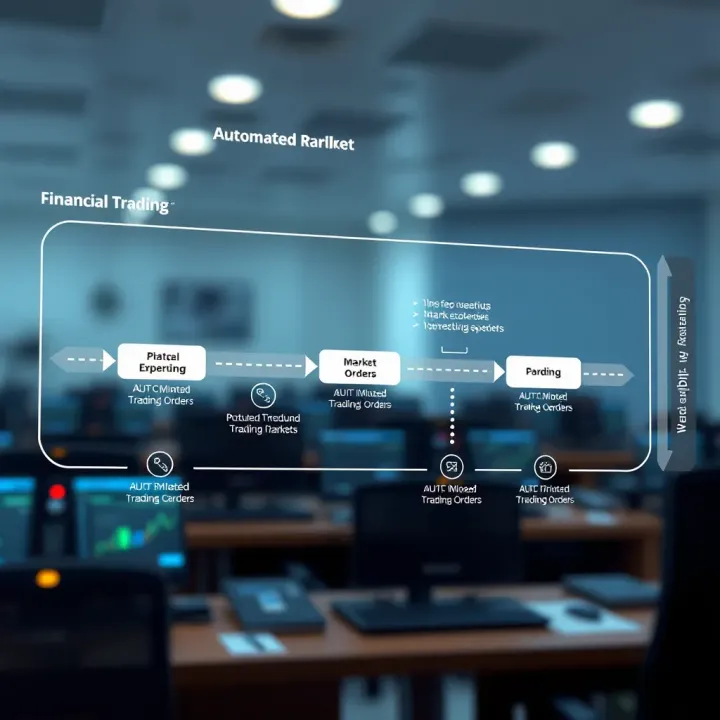
Automated trading bots help eliminate emotional bias and improve execution speed, but they rely entirely on the quality of their underlying strategy.
Market data analysis: Bots continuously scan prices, volumes, and other indicators.
Decision-making: Using algorithms, they decide when to buy or sell assets.
Trade execution: Bots place orders instantly without human delay.
These operations are guided by various strategies such as trend following, arbitrage (taking advantage of price differences in two markets), or mean reversion (betting prices will return to average levels). Kenyan investors also integrate bots with mobile money platforms like M-Pesa to fund trading accounts swiftly.
Bots come with benefits like saving time, removing emotional trading errors, and executing multiple trades simultaneously. However, they carry risks too. Poorly programmed bots can amplify losses quickly, especially in volatile markets like forex or cryptocurrencies popular locally.
For practical use, traders should look for bots with strong backtesting results—where the strategy is tested on past data—and flexible settings tailored to Kenya’s financial products. Choosing a bot from reputable providers, potentially those offering support within the Kenyan market, adds a layer of trust.
In the sections that follow, we will explore detailed workings of trading bots, their pros and cons, and offer practical tips for those keen to include automated trading in their investment toolbox.
Trading bots have become a practical tool in today’s financial markets. They automate the buying and selling of assets using pre-set rules or algorithms. This automation helps traders act quickly and consistently without being influenced by emotions or the distraction of monitoring the markets 24/7. Understanding what these bots are and how they operate is essential for anyone looking to participate in modern trading, especially in markets like Kenya's growing digital economy.
A trading bot is essentially software programmed to analyse market data and execute trades automatically based on set instructions. It continuously scans price movements, volumes, and other market indicators, then makes buy or sell decisions without human intervention. Unlike manual trading, bots can work non-stop, reacting faster than a human can. For instance, a Kenyan trader monitoring both the NSE and cryptocurrency exchanges can rely on a trading bot to act instantly when a favourable signal arises.
Rule-Based Bots focus on straightforward if-then logic based on fixed rules crafted by the user. For example, a bot may be set to buy a stock if its price drops by 2% in a day and sell once it rises by 5%. These bots are popular among beginners due to their simplicity and predictability. They do not adapt to changing market conditions unless manually reprogrammed.
Algorithmic Bots use mathematical models to spot trading opportunities beyond simple rules. They might incorporate statistical methods or technical analysis like moving averages and volume strength to guide trades. These bots are common in professional trading, where patterns and probabilities drive decisions. Kenyan investors using algorithmic bots can integrate market data from local platforms like the NSE for refined strategies.
Machine Learning Bots are more advanced and adjust their strategies based on historical data and ongoing market behaviour. They ‘learn’ over time, improving their decisions by recognising patterns others might miss. Although less common in the local market, some crypto trading platforms now offer such bots. This type of bot is still experimental and requires robust data and monitoring to avoid unexpected outcomes.
Integration with Trading Platforms is key for bots to function effectively. Most trading bots connect directly to exchanges or brokers through APIs (Application Programming Interfaces), allowing them to place orders, check balances, and receive live market updates. In Kenya, some cryptocurrency exchanges and brokers connected to the NSE provide APIs, enabling bots to operate seamlessly.
Order Types and Execution Speed impact the bot’s success. Bots can place market orders for immediate execution or limit orders specifying a desired price. Execution speed matters especially in volatile markets; delays can lead to missed opportunities or losses. For example, a bot that quickly spots a dip in bitcoin price on a Kenyan exchange and executes a buy order before others react can secure better deals.
Automated trading through bots helps leverage speed and precision, but it requires an understanding of how these systems interact with markets to avoid risks.
In summary, getting to grips with what trading bots are and how they operate forms the foundation for using them wisely. The next step is to weigh their advantages and limitations in the specific context of Kenyan financial markets.
Trading bots bring several practical benefits that appeal to traders, investors, and financial advisors alike. Their ability to automate repetitive tasks, reduce emotional interference, and monitor a range of markets simultaneously offers real advantages, especially in today's fast-moving markets.
Trading bots save time by automatically executing trades based on specific rules or algorithms. This means traders avoid the hassle of constantly watching market fluctuations to decide when to buy or sell. For example, a trader using a bot can set parameters to sell a stock when its price drops below KSh 400, without needing to monitor the screen all day. This is particularly useful for busy investors who cannot afford to check market trends continuously.

Bots also automate multiple transactions rapidly, far quicker than manual trading. In markets like forex or cryptocurrency, where prices shift within seconds, this speed can prevent losses or capture profits that might otherwise be missed. Time saved from manual analysis can be channelled into refining strategies or focusing on other financial matters.
One common challenge traders face is emotions influencing decisions — fear, greed, or impatience often cause premature selling or holding onto poor investments. Trading bots follow set rules without deviation, helping remove emotional bias from trading.
For instance, an investor tempted to hold onto a falling stock hoping it will rebound might have a bot that automatically triggers a stop-loss order to limit losses. By sticking rigidly to logical rules, bots prevent rash decisions prompted by market noise or panic, leading to more disciplined trading.
Traders often want to keep an eye on several asset classes or markets at once — Nairobi Securities Exchange (NSE), forex markets, and cryptocurrencies, for example. Doing so manually is nearly impossible, but bots can track and analyse numerous markets simultaneously.
This capability allows users to capitalise on emerging opportunities across different instruments without the distraction of switching platforms or juggling data. A trader might have one bot scanning NSE stocks for undervaluations while another handles foreign exchange arbitrage. Managing multiple markets at once enhances diversified strategies that could improve overall returns.
Using trading bots effectively means combining human insight with automated precision. For Kenyan traders especially, this harmony can help navigate volatile markets and growing digital trading options more confidently.
In summary, trading bots boost efficiency, remove emotional hurdles, and expand market reach — all key advantages that support smarter, faster, and more consistent trading decisions.
While trading bots offer automation and efficiency, they do not come without risks and limitations that every trader should understand. Overlooking these can lead to significant financial losses or missed opportunities. It's essential to weigh the benefits against potential pitfalls before fully relying on automated trading.
Trading bots depend on software and internet connectivity, so technical hiccups can severely affect their performance. For instance, a bot might freeze or malfunction due to a coding error, server outage, or unstable internet connection. Such glitches can prevent timely order execution or cause trades at unintended prices. Imagine a trader relying on a bot during a volatile market, only for the bot to stop responding, resulting in missed stop-loss triggers and amplified losses. Kenyan traders, especially those relying on home internet or mobile data, should consider the quality of their connection and have manual backup plans.
Markets can be unpredictable, with sudden shifts that no algorithm can predict fully. Trading bots operate best when market conditions align with their programmed strategy. However, during extreme volatility or black swan events, these bots may follow rules that no longer suit the environment, resulting in poor decisions. For example, a bot designed for steady trending markets might keep making losing trades during a sharp market reversal. This phenomenon, known as algorithm mismatch, means traders must frequently review and adjust their bots to current conditions rather than set and forget.
Using trading bots often requires linking them to your trading account and sometimes providing API keys for access. This raises the risk of security breaches or fraud. There have been cases where unscrupulous bot providers accessed users’ accounts and siphoned funds. Kenyan traders need to be cautious, choosing reputable bot services with strong security measures and two-factor authentication. It’s also wise to limit permissions by allowing bots to trade but not withdraw funds, reducing the impact in case of compromise.
Remember, trading bots are tools – not set-it-and-forget-it solutions. Regular oversight, risk management, and security checks will save you from potential pitfalls.
Understanding these risks helps you prepare better and manage your trading bots with more care. Proper risk controls like stop-losses, monitoring bot performance, and choosing reliable platforms can mitigate many issues. Whether you are trading cryptocurrencies or forex, appreciating the limits of automation keeps you ahead in the fast-moving market.
Trading bots have gained traction in Kenya as more investors seek efficient and automated ways to manage their portfolios. The local financial environment, marked by rapid digitisation and growing participation in markets like cryptocurrency, stocks, and forex, offers fertile ground for trading bot application. They can help Kenyan traders deal with market volatility, limited time, and access to numerous trading opportunities simultaneously.
Cryptocurrency trading is one of the fastest-growing areas where Kenyan traders use bots. Platforms like Binance, KuCoin, and PancakeSwap — accessible within Kenya — support third-party bots or have inbuilt automation tools. Popular bots such as 3Commas, Cryptohopper, and Bitsgap allow traders to automate buying and selling based on preset strategies. This is handy especially when markets move quickly during off-hours, which many Kenyans miss out on due to full-time jobs or other commitments.
These bots help Kenyan traders capitalise on opportunities in volatile coins such as Bitcoin, Ethereum, and popular local favourites like Safcoin. Besides efficiency, automated crypto trading reduces the emotional swings that often lead to poor decisions. However, users need to be cautious about security risks, choosing reputable platforms and bots that support M-Pesa or other trusted payment methods common in Kenya.
For stocks traded on the Nairobi Securities Exchange (NSE) and forex markets, trading bots offer practical advantages but also pose unique challenges. The NSE has specific trading hours from 9:30 am to 3:00 pm EAT, so bots must operate within these parameters to execute trades effectively. Forex trading, which runs almost 24/5 globally, allows bots to monitor multiple currency pairs and execute trades around the clock, benefiting Kenyan traders looking to react to international market trends.
Kenyans trading on NSE or forex markets need bots with features for local compliance and real-time data integration. For instance, bots that can access up-to-date NSE market data feeds or forex brokers licensed to operate in Kenya improve decision accuracy. Additionally, considering liquidity and spreads common in Kenyan forex pairs is essential to avoid slippage. Overall, bots can support portfolio diversification and manage forex risks when properly customised.
Kenya’s regulatory framework around automated trading and cryptocurrencies is still evolving. The Capital Markets Authority (CMA) oversees securities trading and has issued advisories about risks associated with cryptocurrencies and unregulated bots. While automated trading is not banned, users and developers must ensure compliance with Kenyan laws concerning investor protection, data privacy, and anti-money laundering.
Traders using bots should stay informed about requirements such as registering with recognised brokers or platforms and following disclosure rules. Also, safeguards like regular audits and secure integrations reduce fraud risks. Choosing bots that support regulatory compliance, such as authentication and encrypted data handling, is vital for long-term viability.
Applying trading bots in Kenya requires a balance of leveraging technology and understanding local market conditions and regulations. With the right tools and awareness, traders can benefit from automation while managing risks effectively.
Deciding on the right trading bot and managing it wisely makes a big difference in trading success. A bot that fits your strategy, risk appetite, and market conditions saves time and reduces costly errors. Kenyan traders, whether dabbling in cryptocurrency or the Nairobi Securities Exchange (NSE), need to balance features, ease of use, and control settings. This section focuses on practical steps and features that help make smart choices and manage bots well.
A good trading bot allows you to tailor its behaviour to your needs. For example, you might want to adjust how the bot reacts to market dips or spikes, or set certain trading hours to match your routine. Customisation means tweaking indicators, thresholds, or risk levels so the bot trades your way instead of following rigid, one-size-fits-all rules. This flexibility is especially useful during volatile periods or when exploring new trading strategies.
Many bots offer templates but let you modify parameters like trade size, stop-loss distance, and entry signals. For example, if you are more risk-averse, you can tighten stop-loss limits directly on the bot rather than manually intervening every time. Consider bots that allow combining multiple strategies to diversify your approach in NSE equities or Forex markets.
Backtesting lets you run your strategy on historical market data to see how it would have performed without risking real money. This tool is gold, particularly when starting or adjusting your bot. It helps identify weak points in your settings before live deployment.
For Kenyan traders, this means you can test strategies using past NSE stock price movements or Bitcoin’s earlier volatility to anticipate outcomes and tweak the bot accordingly. Not all bots offer reliable backtesting, so prioritize those that do. It saves money and builds confidence, helping avoid rookie mistakes when real funds are on the line.
Stop-losses automatically limit losses by triggering a sell once an asset hits a certain price. Setting this up smartly inside your bot prevents large losses during sudden market swings, common in Forex or crypto markets.
For instance, if you bought Safaricom shares and set a 5% stop-loss, the bot will sell if prices drop beyond that, protecting your capital without waiting for you to check the market. It’s a simple but powerful risk control tool that reduces emotional decisions and hard-to-manage losses.
No bot, however smart, works best if left unchecked indefinitely. Regularly checking its trades, profits, and errors keeps you informed and ready to intervene if something’s off. Monitoring includes analysing logs, comparing expected versus actual results, and adjusting bot settings as markets evolve.
For Kenyan traders juggling jobs or businesses, setting alerts for significant drawdowns or unusual trades can help manage bots without constant watching. Tools that provide detailed reports or dashboard summaries make tracking easier so you can focus on strategy refinement.
Many Kenyan traders are just starting with limited capital. Choosing bots with reasonable pricing and no hidden fees is crucial. Open-source bots or those with monthly subscriptions under KSh 2,000 provide entry points without heavy commitments. Examples include popular crypto bots used on platforms like Binance or Nami Exchange.
Avoid bots demanding large upfront fees or complicated profit-sharing with unclear terms. Start small, test affordability, then scale if the bot proves profitable and user-friendly.
Using bots and platforms that accept familiar and convenient payment methods like M-Pesa, Lipa Na M-Pesa, or bank transfers eases onboarding and ongoing costs. It also minimises delays in funding accounts or receiving profits, a common frustration when using international bots without local payment options.
For example, some Kenyan brokers integrate M-Pesa for deposits and withdrawals, simplifying capital flow. Where external purchase of bots is needed, look for providers supporting mobile money options or local banks to avoid foreign currency conversion hassles or lengthy waiting times.
Remember, a trading bot is only as good as the care and strategy behind it. Choosing one suited to your needs and managing it actively improves your chances in the fast-moving Kenyan financial markets.
🤖 Learn how Deriv bots automate trading on the Deriv platform with tips for Kenyan traders on setup, types, benefits, risks & best strategies.

📊 Discover how the Commitment of Traders Report reveals market positions and helps Kenyan traders make smarter, data-driven decisions in financial markets.

Explore how binary bots work in binary options trading 🤖, their risks, benefits, and legal aspects in Kenya 🇰🇪. Make smarter trading choices today!

Discover how AI trading bots work 🤖 and their impact on Kenya's markets 🇰🇪. Learn pros, risks, and tips to boost your trading strategy effectively.
Based on 14 reviews