

Guide to Crypto Trading in Kenya
📈 Explore crypto trading in Kenya with this practical guide! Learn strategies, market basics, risk management, and stay secure in local crypto space.
Edited By
Sophie Mitchell
Forex trading is a popular financial activity worldwide, and Kenya is no exception. It involves buying and selling different currencies to earn profit from shifts in exchange rates. If you're new to this field, understanding the basic concepts and tools is key before diving in.
To get started, you need to grasp the main terms: "currency pairs" (such as USD/KES), "pip" (the smallest price move), and "leverage" (borrowing funds to increase trade size). These basics help you make sense of the market movements.

In Kenya, you can open a trading account with licensed brokers who accept local deposits, often via M-Pesa or bank transfers. Always ensure your broker is regulated to avoid scams—a quick check with the Capital Markets Authority (CMA) can protect your funds.
Real traders rely on practical knowledge combined with tested strategies. Having access to clear, reliable guides—like downloadable PDF resources—helps you keep this information handy and review it anytime.
Practical strategies you’ll encounter include trend following, breakout trading, and range trading. Each has its own risk and reward profile, so practising on demo accounts is advisable before committing real money.
Managing risk is vital. Set stop-loss orders to limit potential losses, calculate how much of your capital to risk per trade, and avoid over-leverage. For instance, risking 1-2% of your total capital on a single trade is a common rule.
Here's a quick checklist to begin:
Research and choose a trustworthy, CMA-regulated forex broker
Open a demo account to practise without risking money
Download recommended PDF guides covering basic to advanced forex topics
Develop a simple trading plan including entry, exit, and risk management rules
Start trading small, track your performance, and adjust your strategy
You will find that keeping well-organised PDF guides on hand can serve as a useful reference for market terms, setup guides, and strategy reminders. These documents are practical for learning at your own pace and strengthening your trading confidence.
By taking these concrete steps, you can get a solid footing in forex trading in Kenya and build your skills steadily. Remember, successful trading is not about luck but consistent learning and disciplined action.
Grasping the basics of forex trading is the foundation every trader needs before starting to trade. Without solid knowledge of how the market works, many traders risk losing money or falling for scams. This section will help you understand what forex trading really means, how the market operates, and the key terminology used daily by traders.
Forex trading, also called currency trading, means buying and selling different currencies to make a profit. You might buy the US dollar against the euro, hoping the dollar will rise in value. This is a global market where currencies are traded in pairs, and it operates 24 hours a day, five days a week. For example, Kenyan traders buy USDKES (US dollar to Kenyan shilling) hoping to benefit from shifts in exchange rates. Unlike stock trading, forex is influenced by a mix of economic, political, and social events around the world.
The forex market works through a network of banks, brokers, and individual traders across the world. Transactions don’t happen on a single exchange but over electronic platforms connecting buyers and sellers. Market prices change based on supply and demand. Economic announcements such as Kenya's inflation rate or interest rate changes by the Central Bank of Kenya can cause swift price movements. Traders use these fluctuations to enter or exit positions. Because trading is continuous, you can react immediately to news, but this also means the market can be volatile, and you must have quick decision-making skills.
Understanding common terms is vital for navigating the forex world. Here are some essentials:
Pip: The smallest price movement in a currency pair, often the fourth decimal place. For example, if USDKES moves from 108.5000 to 108.5100, that’s a one pip change.
Spread: The difference between the buying (ask) and selling (bid) price. Brokers earn through the spread, so tighter spreads generally mean lower trading costs.
Leverage: Using borrowed funds to increase your trading position. While it can boost profits, it also increases the risk of losses. A leverage of 1:100 means you can trade KS00,000 with only KS,000 of your own.
Lot: Standardised units of a currency pair. For forex, a standard lot is usually 100,000 units, but mini and micro lots are common for smaller accounts.
Getting these basics right helps you approach forex trading with realistic expectations and cuts through the jargon that often confuses beginners. Next, you’ll find how to start trading the right way in Kenya, including selecting a licensed broker and funding your account safely.
Understanding these concepts thoroughly makes your trading journey smoother and reduces costly mistakes right from the start.
Forex trading has gained traction in Kenya, partly due to the accessibility of mobile technology and platforms like M-Pesa. Starting forex trading here means understanding both the global nature of currency markets and local specifics, such as available payment options and regulatory frameworks. Getting started on the right foot is essential to avoid pitfalls and make informed decisions that align with your investment goals.
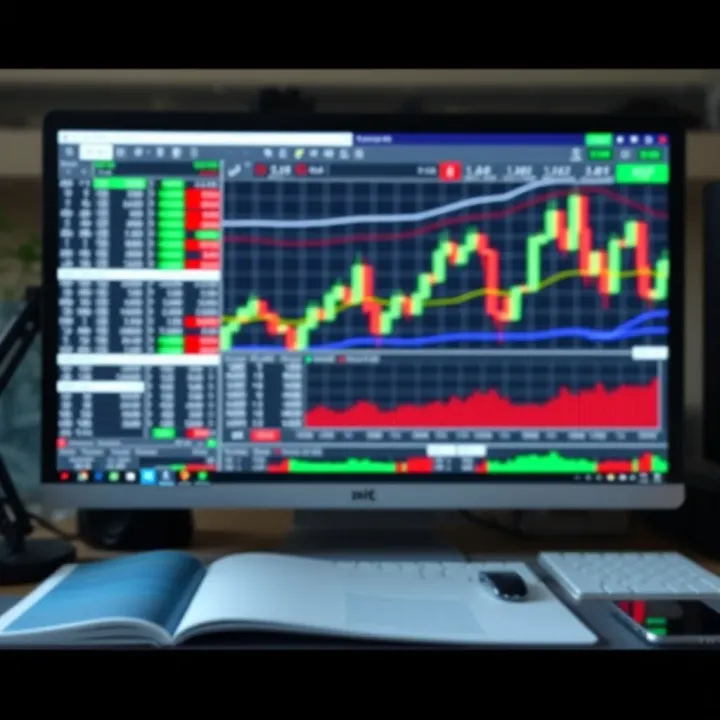
Selecting a licensed forex broker is the first step toward a safe trading experience in Kenya. Brokers authorised by the Capital Markets Authority (CMA) or those regulated by internationally recognised bodies provide a level of security against scams. For example, brokers like HF Markets and Exness are popular among Kenyan traders for their regulatory compliance and user-friendly platforms. Avoid brokers that promise unrealistic returns or operate without clear regulation, as these often lead to loss of funds.
Once you've chosen a credible broker, setting up your trading account is straightforward but requires attention to detail. You'll need to provide identification documents such as your national ID or passport, proof of residence, and sometimes a source of funds declaration. Make sure to use real information to avoid issues with verification later. Most brokers offer demo accounts, which let you practice trading with virtual money before risking real shillings. Starting with a demo account is a wise move for beginners to understand how trades are executed without financial risk.
Funding your forex trading account in Kenya is easier today, thanks to mobile money platforms. M-Pesa is widely accepted by many brokers as a convenient and secure way to transfer funds directly from your mobile wallet. Unlike international bank transfers that can take days and incur higher fees, M-Pesa deposits are usually instant and cheaper. Some brokers also allow withdrawals back to your M-Pesa, making it seamless to manage your trading capital. Remember to check your broker's minimum deposit requirements, which commonly start at around KSh 1,000 or $10 equivalent.
Always prioritise secure and transparent payment methods when funding your trading account. Keeping track of transactions through your M-Pesa statements helps in maintaining clear financial records for your trading activities.
Getting started with forex trading in Kenya is simpler today, but making informed choices—especially about brokers and funding methods—is key to a sustainable trading journey. With the right setup, you're better positioned to focus on learning strategies and managing risks effectively.
Forex trading PDFs offer a solid resource for traders seeking to build knowledge or sharpen their skills. These documents compile crucial information in an easy-to-access format, allowing you to study concepts, tactics, and market indicators without browsing countless websites. For example, a PDF guide on technical analysis can walk you through chart patterns and indicators with illustrations that clarify the ideas better than text-heavy pages.
PDFs are downloadable and can be used offline, making them convenient for traders in Kenya who might have inconsistent internet access. They often cover step-by-step processes, case studies, and glossaries, which help demystify forex jargon and trading mechanics. Having PDFs lets you revisit strategies or freshen your understanding before placing trades. Unlike videos or podcasts, PDFs let you highlight important points and add your own notes, making them practical for ongoing reference.
Licensed forex brokers usually provide educational materials, including PDF guides, as part of their service. These documents are tailored to the platforms they offer; for instance, a broker operating on MetaTrader 4 might provide a comprehensive guide on using its tools for technical analysis. By downloading manuals directly from broker websites like FXTM or HotForex, you access accurate, up-to-date resources designed to support your trading experience.
Apart from brokers, dedicated educational platforms such as BabyPips offer beginner-friendly PDF guides that cover forex basics, trading psychology, and technical strategies. These resources cater well to Kenyan traders starting out, providing clear explanations without the confusion often found in more technical texts.
Institutions like the Capital Markets Authority (CMA) in Kenya publish official guides and policy documents in PDF form. These offer insights into regulatory standards, helping traders understand the legal framework and avoid unlicensed brokers. Such documents are vital for those who want to base their trading on secure and recognised foundations.
Likewise, international bodies such as the International Finance Corporation (IFC) or the Bank of International Settlements (BIS) sometimes produce educational PDFs on forex market structure and risk management. While more technical, these can help advanced traders deepen their grasp on market regulations and global trading environments.
Local trader groups, forums, or investment clubs occasionally compile collective knowledge into PDF booklets or guides tailored for Kenyan markets. These materials often address region-specific challenges like currency fluctuations involving the Kenyan shilling or using mobile money platforms like M-Pesa for funding trading accounts.
Such community-generated PDFs can include tips on best trading times considering Nairobi's timezone or how to avoid local scams. These insights are especially useful since they reflect real experiences and practical advice from fellow Kenyan traders.
To make the most of forex PDFs, treat them as living documents. Start by skimming through the entire material to get an overview, then focus on sections relevant to your current trading level or challenges. For instance, if managing risk is a struggle, concentrate on chapters about stop-loss orders and position sizing.
Keep a folder—either digital or printed—with your essential PDFs organised by topic. Review these regularly, particularly before live trading sessions, as a refresher. Additionally, cross-reference multiple PDFs to compare strategies or validate information. This way, you avoid blindly following one source and build a well-rounded understanding.
Remember, PDFs are just tools. Consistent practice, combined with learning from these resources, is key to becoming confident in the forex market.
In short, forex trading PDFs are valuable learning aids that offer clarity, convenience, and targeted knowledge. Finding reliable documents from brokers, regulators, and local communities helps you stay informed and ready to navigate Kenya's forex landscape with confidence.
Forex trading is not about guesswork; using tested strategies improves your chances of consistent profits. These strategies guide your decision-making process, helping to spot opportunities and manage risks effectively. Understanding technical and fundamental analysis, together with risk management, sets the foundation for wise trading.
Technical analysis relies on past price movements and market data to predict future trends. Traders use charts and indicators like Moving Averages, RSI (Relative Strength Index), and MACD (Moving Average Convergence Divergence) to identify entry and exit points. For instance, a trader might notice that the USD/KES pair struggles to break above a particular price level, signalling resistance. By recognising such patterns, you can time your buys or sells better, avoiding costly mistakes.
In Kenya, many retail traders find technical analysis helpful when trading during active market hours, as forex markets run 24 hours across different time zones. Using tools like candlestick charts and trendlines helps capture short-term price swings common during Nairobi or London session overlaps.
Fundamental analysis looks beyond charts to economic factors shaping currency values. Key indicators include interest rates, inflation reports, GDP growth, and political events. For example, a hike in the Central Bank of Kenya’s policy rate generally strengthens the shilling against other currencies because higher rates attract capital inflows.
Consider Kenya’s inflation data releases or government budget speeches as triggers for forex price moves. Traders watch such events closely to anticipate market reactions before they happen. A sudden political event, such as election announcements, can cause sharp volatility, offering trading chances but also increased risk.
Effective risk management safeguards your trading capital. This means setting stop-loss orders to limit losses, deciding on appropriate trade sizes based on your account balance, and never risking more than a small percentage of your funds on a single trade. For example, if you have KSh 100,000 in your account, a cautious approach might be to risk only 1-2% on a trade, which is KSh 1,000 to KSh 2,000.
Additionally, diversifying your trades—rather than putting all your money on one currency pair—helps reduce risk exposure. Avoid chancing large trades during unpredictable events like the US Federal Reserve announcements or Kenya’s election periods if you’re a beginner. Patience and discipline in sticking to your risk limits can save you from heavy losses.
Successful forex trading combines analysis with strict risk control. Technical and fundamental strategies guide your market decisions, while risk management protects your capital for the long haul.
Applying these strategies gives you a structured approach to forex trading in Kenya, making the often volatile market more manageable and increasing your chances of steady growth over time.
Stepping into forex trading without being aware of common pitfalls can cost you more than just money; it can shake your confidence and slow down your progress. This section covers practical ways to dodge these traps, saving you both time and resources while building a reliable trading habit.
In Kenya’s booming forex scene, spotting scams is essential because unlicensed or fraudulent brokers target beginners with promises of quick profits. Always verify your broker’s licence with the Capital Markets Authority (CMA) or check if they are regulated internationally by bodies like the FCA or CySEC. Avoid brokers who pressure you to deposit large sums instantly or who offer unrealistic returns.
Some common scam signs include poor customer support, vague or missing contact details, and platforms with frequent technical glitches. Remember, trusted brokers like Exness, FXTM, or HotForex provide clear terms for withdrawals and transparent fee structures. If something feels off, pause and review before risking your hard-earned money.
Trading emotions like fear and greed can lead to impulsive decisions that ruin your portfolio. For example, after a loss, some traders try to recover quickly, placing many trades without proper analysis—this is known as overtrading. It usually leads to further losses rather than gains.
Set clear trading plans and limits before you start. Stick to your risk management rules, such as risking only 1–2% of your capital per trade. If losses occur, pause and review rather than chasing losses. Using tools like stop-loss orders helps control risk without relying on emotions.
Staying disciplined separates a profitable trader from a reckless one. Forex trading works best with a cool head and a well-thought-out plan.
By recognising shady brokers and managing your feelings during trading, you improve your chances of lasting success in the forex market. Keep learning, stay cautious, and use PDFs and other resources to sharpen your skills before risking big.
📈 Explore crypto trading in Kenya with this practical guide! Learn strategies, market basics, risk management, and stay secure in local crypto space.

💡Explore cryptocurrency trading in Kenya! Learn key concepts, smart strategies, risk management, and how to stay secure and compliant with local rules.
Learn how binary trading works in Kenya 🇰🇪, including key strategies, risks, legal insights, and steps to help you trade wisely and confidently.
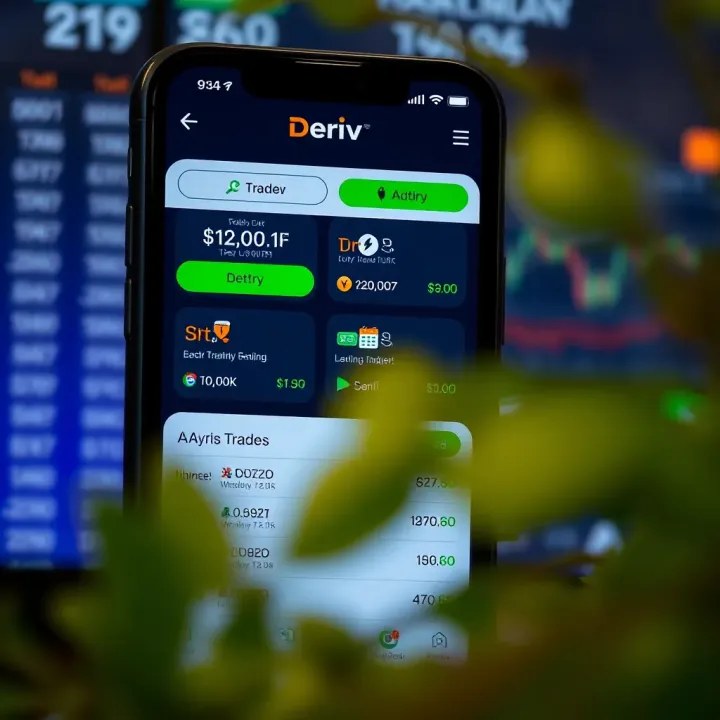
Explore the Deriv trading app tailored for Kenyan traders 📊. Learn how to set up accounts, manage risks, and trade smart with real support 📱.
Based on 5 reviews