
Forex Bot Trading Explained: How Automated Systems Work
Explore how forex bot trading works in Kenya 🇰🇪: understand automated strategies, tech details, benefits, risks, and tips to match your trading goals 📈🤖.
Edited By
David Hughes
Robot forex trading is changing how currency trading happens around the world, Kenya included. Instead of relying solely on human judgement, traders now use automated software — known as forex robots — to analyse market data and execute trades automatically. These systems work 24/7, scanning price movements and news to make quick decisions that human traders might miss.
At its core, robot forex trading involves programming algorithms to follow preset rules based on technical analysis or market indicators. For example, a robot might be set to buy dollars when the euro weakens beyond a certain point or to sell when volatility hits a threshold. This takes the guesswork and emotional bias out of trading, letting machines operate with speed and consistency.
While these bots can be powerful tools, they’re not magic. Their performance depends heavily on the quality of the algorithm and current market conditions. Poorly designed robots may open losing trades, especially during unexpected market events or low liquidity periods. Traders need to monitor and adjust bots regularly rather than set them and forget.
In Kenya, automated trading is becoming more accessible as online brokers integrate these tools and platforms like MetaTrader 4 and 5 allow attachment of custom forex robots. Kenyan traders interested in robot trading should consider the costs, such as subscription fees and internet reliability, to make the most out of automation.
Automated forex trading can boost efficiency but requires careful strategy, ongoing supervision, and understanding risks before diving in.
How forex robots analyse technical indicators like moving averages or RSI (Relative Strength Index).
The importance of backtesting strategies on historical data to validate potential performance.
Managing risks by setting stop-loss levels and proper lot sizing.
Legal and regulatory considerations, especially under Kenyan financial laws and brokers.
Beyond the efficiency gains, robot forex trading influences the broader forex market by increasing trade volumes and sometimes amplifying price moves due to rapid trades. This often benefits market liquidity but can add complexity during high volatility.
Overall, robot forex trading adds a practical layer of technology to forex markets. For Kenyan traders and investors who prefer disciplined, data-driven approaches, exploring automated systems offers new opportunities but comes with its own set of challenges that require a careful, informed approach.
Understanding robot forex trading is key for anyone serious about participating in the forex market, especially with the growing use of technology. Automated trading systems handle the buying and selling of foreign currencies based on pre-set rules or algorithms. Knowing how these systems work helps traders identify opportunities, reduce emotional bias, and manage risks more effectively.
Robot forex trading, often called automated trading, involves software programs that execute trades automatically in the currency market. Instead of manually analysing charts or news, these robots follow coded strategies to open or close trades, aiming to make profits from price movements. For instance, a trader in Nairobi might set a robot to buy the USD/KES pair once it detects a specific pattern indicating an uptrend.
Trading robots scan huge amounts of market data such as price, volume, and indicators like moving averages or relative strength index (RSI) within seconds. They use algorithms to spot patterns or signals which human traders might miss or react to too late. This fast processing allows robots to seize trading chances continuously, even when markets are volatile or outside the trader's active hours.
Manual trading relies heavily on human judgement, which can be clouded by emotions like fear or greed. Decisions may be slower, and traders can miss market moves happening overnight. Automated trading, on the other hand, runs 24/7, thanks to the software’s constant monitoring, and executes trades exactly as programmed without hesitation. While automation reduces emotional mistakes, it also depends entirely on the quality of the strategy coded into the robot.
These robots operate strictly on fixed rules laid out by the trader or developer. For example, a rule-based system might instruct to buy the euro against the dollar when the 50-day moving average crosses above the 200-day one. Such robots perform consistently in markets that behave predictably but may struggle during sudden news events or unusual volatility.
More advanced systems use AI and machine learning to adapt to changing market conditions. They learn from past data and gradually improve their trading decisions without constant human input. In Kenya, some traders employ AI-powered robots that adjust to local market peculiarities like events affecting the shilling, improving profitability in the long run.
These robots mirror the trades of experienced forex traders either automatically or semi-automatically. For instance, a new trader might copy the moves of a profitable trader on platforms that support such features. Through social trading bots, it's easier to benefit from the expertise of others without needing deep technical skills, though it comes with risks if the lead trader's strategy fails.
Automated trading is not just about technology but also about choosing the right strategy and managing risks in a market known for its rapid fluctuations.
Understanding these essentials helps you make informed decisions about robot forex trading and how it fits into your overall trading plan.
Automated trading robots have changed the way traders operate in the forex market, offering both advantages and challenges. Understanding these pros and cons helps traders make informed decisions, especially in Kenya's growing forex landscape where access to technology is increasing but market unpredictability remains a concern.
Trading robots excel at executing orders instantly once predetermined conditions are met. For example, if a robot identifies a favourable exchange rate for USD/KES, it can place a trade within milliseconds, far faster than any human reacting manually. This speed is useful in volatile moments when currency prices shift quickly, helping traders capitalise on brief market opportunities without delay.
Unlike human traders who may hesitate or make impulsive decisions under pressure, robots operate continuously throughout the day and night without fatigue or emotions. This consistent presence means traders don’t miss out on opportunities during off-hours or overnight. Robots stick strictly to set strategies, avoiding the pitfalls of emotional decisions that often lead to losses, such as panic selling when the market dips unexpectedly.
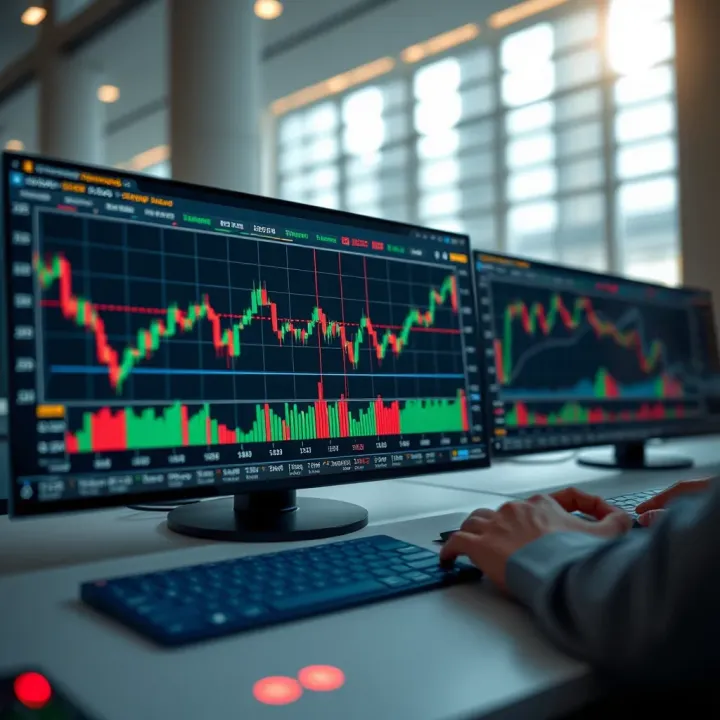
One practical feature of trading robots is their ability to test strategies against past market data. Traders in Kenya can use historical KES currency pairs' data to see how a robot might have performed over weeks or months. This backtesting offers insights into the robot’s potential effectiveness before real funds are committed, enabling better strategy refinement based on solid evidence rather than guesswork.
Automated systems depend heavily on stable internet connections and software reliability. A sudden power outage or platform glitch can interrupt trading, causing missed opportunities or unintended losses. For instance, a trader in Nairobi might experience connectivity issues during peak evening hours, disrupting the robot’s operation and affecting trade execution.
Forex markets sometimes behave unexpectedly due to political shifts, economic reports, or global shocks. Robots following rigid algorithms may struggle to adapt rapidly to such sudden changes. For example, when unexpected policy announcements affect the Kenyan shilling, a robot might continue trading as per old rules, resulting in losses until adjustments are made.
Quality trading robots often come with upfront prices or monthly subscriptions, which might not suit all traders, especially beginners or those with smaller capital. Besides, some robots require periodic updates or technical support, adding to overall costs. A trader must evaluate if these expenses align with expected returns to avoid pouring money into ineffective systems.
Automating forex trading can save time and cut emotional errors but always requires cautious oversight and readiness for technical or market surprises.
In summary, trading robots bring speed, consistency, and strategic tools to forex traders but also call for careful consideration of technical risks, unpredictable markets, and affordability—critical for anyone trading forex in Kenya today.
Selecting the right forex trading robot is vital for anyone looking to succeed with automated trading. The market is full of options, but not every robot aligns well with your goals, risk level, and trading style. Picking a robot without careful consideration can lead to losses instead of profits. Understanding key factors can help you choose a system that fits your needs and increases your chances of consistent returns.
A robot’s reputation offers valuable insight into its reliability and effectiveness. Checking feedback from experienced traders, especially from forums or Kenyan trading communities, reveals real-world performance beyond polished marketing. For example, a widely recommended robot might have a history of stable returns or strong customer support. On the other hand, too many complaints about crashes or poor trade execution should raise red flags.
Listening to the experiences of fellow traders helps you avoid robots that perform poorly under Kenyan market conditions or brokers commonly used here. Positive reviews backed by detailed performance reports are a good starting point before deeper evaluation.
It’s important that a trading robot clearly explains how it makes trades and provides verifiable past results. Robots that hide their strategy or present unrealistic profit figures often disappoint. For instance, a robot claiming constant 100% monthly gains without downtime is likely exaggerating.
Look for systems that openly share their trading approach—whether it’s based on technical indicators, trend following, or scalping—and have tested that strategy over different market periods. This transparency helps you understand the risks involved and decide if the approach suits your risk tolerance and target returns.
Not all robots work with every trading platform, so compatibility matters practically. In Kenya, MetaTrader 4 and MetaTrader 5 are widely used, thanks to their user-friendly interfaces and strong broker support. Choosing a robot that runs smoothly on these platforms makes setup easier and reduces technical issues.
Also, consider whether the robot supports brokers vetted by the Capital Markets Authority (CMA) or the Central Bank of Kenya (CBK). This ensures your robot interacts seamlessly with regulated brokers, protecting your funds while enhancing execution speed.
Many sellers boast extravagant profits to lure users, but these claims rarely hold up. Promises of easy money or guaranteed high returns within short times raise suspicion. For example, a robot promising monthly gains of KSh 100,000 from KSh 10,000 without effort likely glosses over risks and drawdowns.
Remaining sceptical helps you avoid scams and disappointing experiences. Always seek robots with balanced, proven results rather than chasing quick wins.
Subscription details can hide fees or conditions that affect your profitability. Some robots charge monthly fees, others take a share of profits, while others bundle expensive upgrades. Reading the fine print closely prevents surprises.
A Kenyan trader might find that a robot’s subscription costs plus broker fees eat up a significant chunk of possible returns. Knowing what you’re committing to helps manage overall costs and expectations.
Before placing real Kenyan shillings on the line, try your chosen robot on a demo account. This simulates live trading without risking actual cash. It allows you to watch how the robot behaves in current market conditions and spot issues like excessive trades, unexpected losses, or software errors.
Demo testing builds confidence and helps fine-tune robot settings for your trading profile. No reputable robot seller should discourage testing before full use.
Choosing the right forex trading robot is not just about picking popular software; it’s a careful balance of reputation, transparency, platform fit, and cautious validation to protect your investment and maximise potential gains.
By focusing on these elements, Kenyan traders can navigate the automated forex space more safely and successfully.
Understanding the regulatory framework and legal considerations is vital for anyone using robot forex trading systems. These rules protect traders by setting standards for transparency, fairness, and security. They also help curb fraudulent schemes that often emerge in the automated trading space.
The Capital Markets Authority (CMA) in Kenya regulates the financial markets, including forex trading activities. For robot forex trading, the CMA stipulates that any automated system offered to the public must be transparent about its operations, risks, and historical performance. This oversight ensures that traders understand how robots function and what to expect, reducing chances of being misled by overhyped claims.
Practically, this means robot providers must disclose their algorithms' logic and maintain records, making it easier for regulators to step in if the system performs poorly or deceptively. Traders should check if the robot or its provider complies with CMA's guidelines before committing funds.
While the CMA handles market conduct, the Central Bank of Kenya (CBK) governs currency controls and licensing of forex brokers. CBK enforces foreign exchange laws that affect how automated forex operations can proceed. For example, it restricts unlicensed entities from offering forex services, including automated ones, to Kenya residents.
For traders, this means using a robot linked to a CBK-licensed broker provides an extra layer of security. Such brokers are subject to periodic audits and must adhere to anti-money laundering (AML) and know-your-customer (KYC) rules, which protect investors from fraud and illegal activities.
Only authorised forex brokers licensed by CBK and recognised by CMA can legally operate trading platforms linked with robots. These brokers must ensure that their automated systems comply with national standards and do not expose clients to undue risks.
Kenyan traders should verify that the broker supporting their trading robot holds valid licences. This information is often available on CMA or CBK official platforms. Choosing licensed brokers reduces risks of scams and helps ensure smooth withdrawal and deposit processes, especially when using popular payment methods like M-Pesa.
Forex trading is global, and robot traders often connect to overseas servers or brokers. Internationally, bodies like the Financial Conduct Authority (FCA) in the UK or the US Commodity Futures Trading Commission (CFTC) set standards that influence robot design and operation.
When using foreign robots, Kenyan traders should consider whether these systems comply with such international standards. Compliance usually means better safety measures, clear disclosures, and fairness in trade execution, all critical factors when investing money.
Automated forex robots often operate across borders, but this raises legal questions. Trading with a robot based abroad may expose Kenyan traders to different laws, dispute resolution challenges, and limited regulatory protection.
It’s wise to verify the legal standing of the robot provider both in Kenya and the provider’s home country. Also, some countries ban certain forms of automated trading to prevent market abuse, so knowing these rules can help traders avoid inadvertent violations.
Consumer protection laws vary but generally aim to shield traders from scams, misrepresentations, and unfair practices. In the context of robot forex trading, issues often arise around false profit promises or hidden fees.
In Kenya, traders should insist on clear terms before subscribing to a robot service and keep records of all communications. Awareness of consumer rights under Kenyan law and knowing where to report malpractice (usually CMA or Consumer Protection Agency) helps safeguard investments.
Always confirm that any robot forex trading system aligns with Kenyan regulations and international standards to protect your funds and trading interests.
By understanding these regulatory points, traders can engage more confidently in robot forex trading, balancing potential benefits with protective measures.
Getting started with robot forex trading in Kenya requires a clear understanding of the tools and environment you will use. Setting this foundation well can make the difference between a smooth trading experience and costly mistakes. With forex robots continuing to gain popularity among Kenyan traders due to their efficiency, it's essential to know how to set up and manage your trading properly.
Choosing a reliable forex broker with robot support is the first step. Not every broker in Kenya offers smooth integration with trading robots, so look for those who explicitly support automated systems. For example, brokers compatible with MetaTrader 4 or 5 platforms are often better equipped. Additionally, check if the broker is licensed by the Capital Markets Authority (CMA) and has good reviews from local and international traders. Having a trusted broker ensures your trades are executed swiftly and securely, reducing the chances of slippage or order rejections.
Selecting software platforms compatible with trading robots matters too. Most automated trading relies on platforms such as MetaTrader, cTrader, or proprietary solutions designed for algorithmic trading. Your choice should align with both your robot's specifications and personal ease of use. If you want a robot that uses advanced AI features or copy-trading capabilities, ensure the platform supports these functions and that the user interface is familiar enough not to slow you down. For instance, many Kenyan traders prefer MetaTrader due to its widespread use and local support.
Funding your account and managing risk is critical before switching on your robot. Kenyans commonly fund accounts via M-Pesa or bank transfers, so confirm with your broker which options are available. Begin with an amount you can afford to lose, especially as trading robots still carry risks. Always set stop-loss limits and avoid overleveraging your account; many robots will allow you to program these risk controls. Proper risk management keeps your capital safer even when market swings do not favour your robot’s trades.
Regularly updating and monitoring robot settings keeps your system running smoothly. Market conditions evolve, and software can get outdated or experience bugs affecting trade accuracy. For example, if you notice your robot performing poorly after a currency policy announcement, it might need tweaks or temporary suspension. Timely updates and consistent performance checks prevent losses and ensure your robot adapts to new forex trends.
Adapting to changing market conditions goes beyond simple updates. Forex markets can be unpredictable, with factors like political events or Kenya’s national budget speeches affecting volatility. Robots programmed with rigid strategies might miss out during such times. Monitoring news and adjusting your robot’s parameters, such as aggressiveness or trade frequency, will help manage risks and take advantage of new opportunities.
Combining automated and manual oversight strikes a balance between technology and human judgment. Although robots do much of the heavy lifting, a trader's intervention can help avoid pitfalls when technology falters. For instance, during volatile periods like central bank decisions, you might pause the robot or manually close risky positions. This combined approach leverages the robot’s speed while keeping human intuition in play.
Starting robot forex trading in Kenya requires more than just installing software. Careful setup and ongoing management ensure that your automated system works effectively while safeguarding your investments.
By preparing your trading environment thoughtfully and optimising your robot’s performance continuously, you stand a better chance of navigating Kenya's forex market successfully with automated tools.
Explore how forex bot trading works in Kenya 🇰🇪: understand automated strategies, tech details, benefits, risks, and tips to match your trading goals 📈🤖.
🤖 Learn how Deriv bots automate trading on the Deriv platform with tips for Kenyan traders on setup, types, benefits, risks & best strategies.
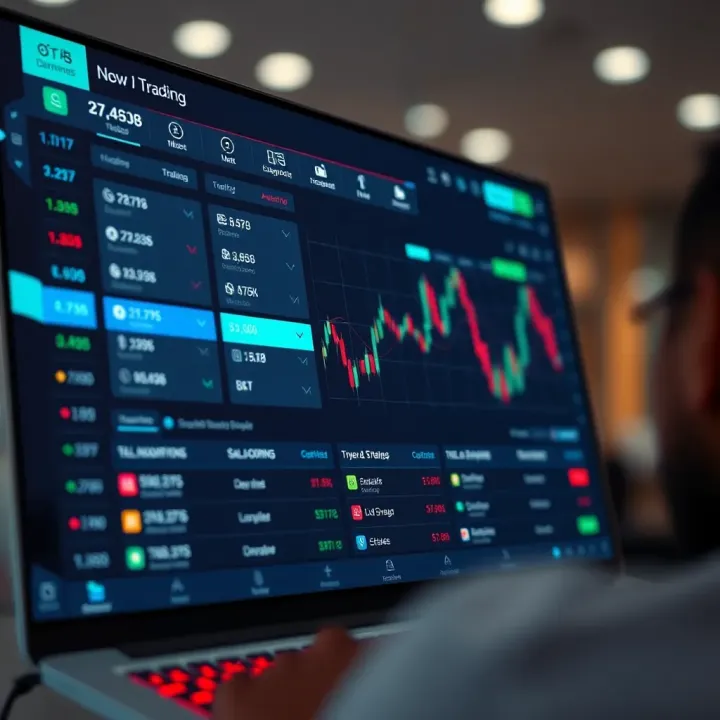
Discover how to optimize automated trading using bot.deriv.com, with detailed setup steps, smart features, and smart risk tips for better trades 📊🤖
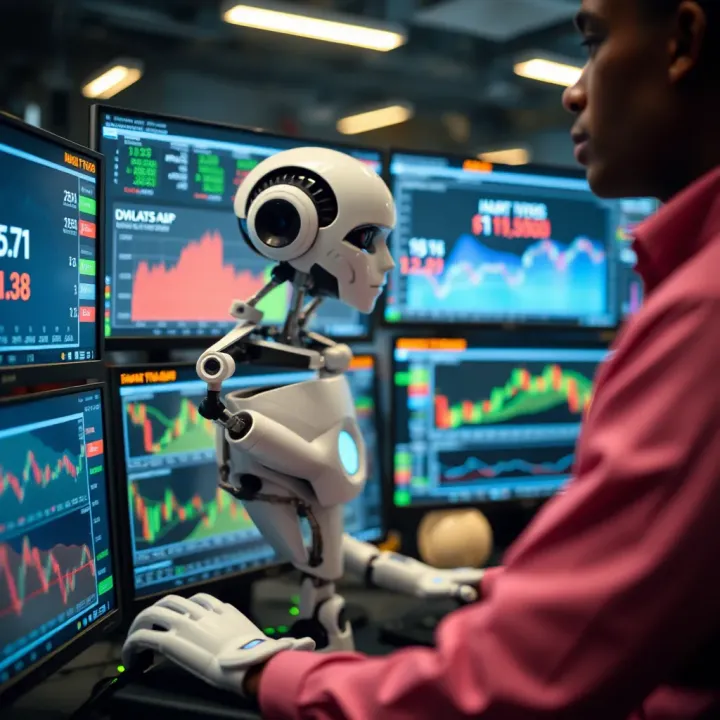
Discover how AI trading bots work 🤖 and their impact on Kenya's markets 🇰🇪. Learn pros, risks, and tips to boost your trading strategy effectively.
Based on 12 reviews