

Understanding Forex Trading Accounts in Kenya
📈 Learn how to open and manage forex trading accounts in Kenya. Discover types, broker tips, risks, and strategies to trade confidently in the Kenyan market.
Edited By
Charlotte Adams
Trading can feel like a tough nut to crack, especially when you're just starting out or trying to sharpen your skills. Fortunately, demo accounts provide an excellent way for Kenyan traders to practise without risking a single shilling. These accounts simulate real trading conditions using virtual money, allowing you to explore markets, try out different strategies, and get familiar with trading platforms.
Even if you’ve got some experience, demo trading can help you adjust to new tools or test ideas in a no-pressure environment. For instance, if you’re considering trading on the Nairobi Securities Exchange (NSE) or foreign forex pairs, demo platforms offer a hands-on experience that theoretical guides can’t match. You get to learn how order placements work, how to read charts, and how to manage your positions without any financial consequences.
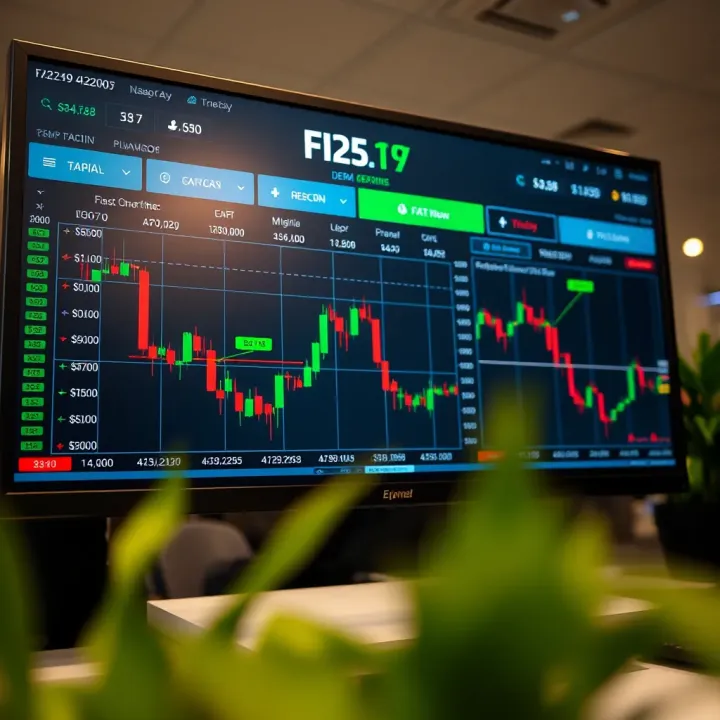
Demo accounts serve as a risk-free practice ground, building confidence and skill before you move on to trading with real money.
Here are key reasons why demo trading matters:
Risk-free learning: You trade with virtual funds, so you won’t lose actual money while getting familiar with market moves.
Testing strategies: Whether you want to try scalping, day trading, or longer-term positions, demos let you understand what works and what doesn’t.
Learning platform features: Different brokers have varied platforms; demo accounts help you navigate these tools so you’re not caught off guard during live trading.
Yet, remember that trading with virtual money differs in some ways from real trading. Emotional pressures, like fear or greed, don’t hit you the same when it’s not your own cash. So, use demo accounts to build your skills and knowledge but prepare for the psychological challenges of trading real KSh.
This guide will walk you through selecting the right demo account suited to your needs, maximizing your practice sessions, and transitioning confidently into real trading.
Keep the matatu schedule tight, and let’s get you trading smart from the start.
A trading demo account is a practice account provided by brokerages that simulates real market conditions without involving real money. It allows Kenyan traders to experience buying and selling various financial instruments without risking actual capital. This hands-on exposure is crucial for novices who want to build confidence before moving to live markets. Even seasoned traders use demo accounts to test new strategies or get familiar with a trading platform before committing funds.
A demo account replicates a real trading environment where users can place orders just as they would in a live market. This includes access to live market prices, charts, and typical trading tools within a controlled virtual setting. For example, a trader aiming to buy shares on the Nairobi Securities Exchange (NSE) can do so with a demo account, observing price fluctuations and executing orders without financial risk. This simulated experience helps traders understand market dynamics and hones their skills in a risk-free space.
The most defining aspect is that all funds used in demo trading are virtual, meaning losses or profits do not impact the trader’s real finances. This removes emotional stress tied to losing actual money, enabling traders to concentrate purely on learning. For instance, a Kenyan trader can experiment with currency pairs like USD/KES or commodities like tea futures without worrying about losing KSh. Using virtual money means mistakes become lessons rather than costly errors.
Demo accounts rely on real-time or slightly delayed market data to display price changes and trends similarly to live markets. This means when the price of Safaricom shares moves on the actual NSE, the demo platform reflects this change. This realistic pricing allows traders to analyse trends and plan trades based on actual market behaviour. However, latency may sometimes occur, but generally, the demo environment offers a genuine feel of market volatility.
Order execution in demo accounts mimics live conditions, including instant orders, stop-loss, and limit orders. Traders can practise with different order types, seeing how these perform under various circumstances. For example, you might set a stop-loss order to automatically sell an asset if it falls to a certain price, helping control potential losses. Execution speed is usually fast, but in busy live markets, real accounts may experience slippage—where prices move between your order placement and execution—something rarely reflected in demos.
When opening a demo account, users receive a set amount of virtual funds to trade with, often ranging from KSh 100,000 to KSh 1,000,000 in equivalent value. This amount allows traders to place orders across different instruments, testing strategies under realistic budget constraints. Unlike unlimited virtual funds that some platforms offer, setting a reasonable amount improves discipline by encouraging realistic trading behaviour.
A key benefit is the provision of advanced charting and technical analysis tools identical to those on live accounts. Tools like moving averages, RSI (Relative Strength Index), and candlestick patterns help traders make informed decisions. For example, a trader in Nairobi using a demo account can analyse the KCB share price trends to predict future movements, practising how and when to enter or exit trades.
Demo accounts typically include simulated leverage and margin features, allowing traders to understand how borrowing to increase position sizes works. For example, if a platform offers 1:10 leverage, a trader controlling KSh 100,000 can open trades worth KSh 1,000,000 virtually. Practising with leverage helps grasp the risks since profits and losses amplify accordingly. This equips traders with the experience needed to handle live margin calls and manage risk.

Practising with a demo account creates a safe space to build skills, test tools, and understand market behaviour without parting with your hard-earned KSh. It's the starting point for many successful traders in Kenya and beyond.
Kenyan traders, whether rookies or those with some experience, find demo accounts a helpful stepping stone before risking real funds. These accounts provide a real-like trading environment without putting your cash on the line, letting you practise strategies, explore platforms, and evaluate brokers safely.
Testing strategies safely: Demo accounts let you test different trading strategies without losing a single shilling. Imagine you want to try scalping forex pairs during off-peak hours or experiment with swing trades on NSE stocks. You can trial these approaches in a demo account, observe results, tweak your settings, and do it all repeatedly without financial pressure or fear. This way, you avoid losing money due to rookie mistakes or untested ideas.
Building confidence in the market: Beyond tactics, demo accounts boost your confidence. Watching your virtual trades perform according to your plan reassures you that you understand the market basics, price action, and timing. For many Kenyans new to trading, this confidence is vital as the real market can feel intimidating. By practising in a risk-free setting, you develop discipline and reduce anxiety when it's time to trade live.
Navigating interface and tools: Each broker’s trading platform differs in layout and features. Whether it is MetaTrader 4, MetaTrader 5, or broker-specific platforms, using a demo helps you get comfortable with the interface. You learn where to find charts, how to read indicators, and which tools help analyse market moves. This familiarity ensures you won’t fumble during live trades, especially when market action is fast.
Understanding order placement and management: Placing orders and managing them involves more than clicking buttons; it includes setting stop-losses, take-profits, or trailing stops correctly. Demo accounts allow you to practise these without pressure. For example, you might place a delayed limit order or test what happens when you close part of a position early. Understanding these nuances helps prevent costly errors when trading with real money.
Assessing spreads and fees: Spreads (the difference between buying and selling prices) and additional fees affect your profitability directly. Demo accounts display these costs as you trade, helping you compare brokers. A broker offering narrow spreads on popular forex pairs or stocks listed on NSE may save you hundreds of shillings monthly, a big deal for Kenyan traders starting with modest capitals.
Customer support experience: A demo account complements checking broker support. If you find the platform easy but the support slow or unhelpful, it might affect your trading experience in the long run. Use demo time to also reach out to customer service with questions or complaints. Responsive, helpful support is a valuable asset, especially for traders adjusting to market volatility or technical challenges.
Using a demo account is much more than just a training run; it’s your chance to learn, experiment, and choose a broker wisely without risking your hard-earned KSh. It sets the stage for smarter, more confident trading when you move to a live account.
Demo trading accounts provide a risk-free setup to practise trading, but they come with several limitations worth considering. These gaps between demo and live trading can affect your readiness when you move to real money markets. Understanding these differences helps you avoid surprises and prepares you for the realities of trading with your own KSh.
Emotional detachment from virtual funds
The biggest difference between demo and live accounts is the emotional factor. In demo trading, losses do not affect your actual money, so it’s easy to take risks and make decisions without stress. In live trading, however, seeing your own money disappear can trigger fear or greed, which often leads to poor choices. For instance, a Kenyan trader using a demo account might open large positions frequently since there is nothing at stake. When real funds get involved, those same risks feel much heavier and might lead to hesitation or panic.
Liquidity and slippage variations
Demo accounts often assume ideal market conditions. They may show trades executed exactly at the requested price, without delays or slippage. In contrast, live markets, especially during volatile times in Nairobi Securities Exchange (NSE) or forex sessions, experience liquidity challenges. Slippage—where your trade executes at a different price than expected—can eat into profits or increase losses. This effect is more common when trading less liquid assets or during economic news releases. Hence, relying solely on demo trading might give a false impression of guaranteed order fills and stable spreads.
Market news and data latency
While demo platforms usually source real market data, there can be delays or less access to live news feeds compared to actual trading accounts. In Kenya, timely responses to events like CBK (Central Bank of Kenya) policy announcements or unexpected political shifts can influence markets heavily. A demo account might not reflect these sharp movements in real time, limiting your ability to test strategies that depend on quick reaction to breaking news.
Managing risk mindset
Demo trading can foster an unrealistic sense of security since no real money is at risk. Many traders develop habits of over-leveraging or ignoring stop losses, which becomes dangerous when transitioning to live trading. To manage this, treat your demo trades as if they were real. For example, set limits that mimic your live trading capital and enforce strict risk management rules. This approach helps build discipline and readies you mentally for handling genuine financial exposure.
Transitioning to live trading
Moving from demo to live markets is a critical step that requires patience and adjustment. Expect differences in execution speed, emotional pressure, and market behaviour. Start with smaller positions to ease into live trading without overwhelming risks. Kenyan traders often benefit from gradual scaling—testing strategies with a fraction of capital before committing fully. Keeping a trading journal during this phase helps track mistakes and improvements, smoothing the learning curve.
Demo trading is a valuable tool but not a full substitute for live market experience. Recognising its limits ensures you prepare better and build habits essential for trading success with actual KSh investments.
Selecting the right demo account can make a big difference in how quickly you learn and adapt to trading. With many options available to Kenyan traders, it's important to consider factors that suit your trading style, goals, and the types of assets you want to trade. A carefully chosen demo account helps bridge the gap between theory and live trading, allowing you to build skills without risking real money.
Your choice of demo account should offer access to a variety of trading instruments that match your interests. For example, if you want to trade forex pairs like USD/KES or EUR/USD, make sure the demo account lets you practise on these. Likewise, if commodities like coffee or gold are your focus, check that they are included. Some accounts also provide shares listed on the Nairobi Securities Exchange (NSE) or even cryptocurrencies. Trading instruments matter because you want to get comfortable analysing and managing the specific markets you plan to invest in.
The platform’s stability and features directly affect your learning experience. A reliable trading platform should run smoothly without lag or frequent downtime. For instance, platforms like MetaTrader 4 and MetaTrader 5 are popular for their user-friendly interfaces and fast execution, widely used both in Kenya and globally. Also important are tools like real-time charts, technical indicators, and the availability of mobile versions for trading on the go. Trying out a demo on a platform that often glitches will cause unnecessary frustration and slow your learning.
Look out for demo accounts that don’t expire too quickly. Some brokers give you a limited timeframe, such as 30 days, after which you lose access. Others offer longer or even unlimited demo periods. The ability to reset your demo balance is also useful so you can recover from losses and test new strategies afresh. This flexibility is especially helpful for Kenyan traders who want to practice through different market phases without rushing.
Brokers that integrate Safaricom’s M-Pesa for deposits and withdrawals make funding your live account easier once you’re ready to switch from demo. For example, local or international brokers with M-Pesa support reduce reliance on international bank transfers, which can be costly and slow. Such brokers often offer demo accounts to let you try their platform first, so you can familiarise yourself with the process of depositing and withdrawing via M-Pesa before committing real KSh.
Using a broker regulated by the Capital Markets Authority (CMA) in Kenya provides an extra layer of security. These brokers comply with local laws on transparency and client protection. Demo accounts with CMA-licensed brokers often reflect more realistic trading conditions and provide reliable customer service tailored to Kenyan traders. Plus, if any disputes arise, you have a local authority to turn to.
Ease of access and good customer support are essential. Choose brokers who offer simple demo account sign-ups without complex verification. Also, consider feedback from Kenyan traders on social media or trading forums about their experiences. Brokers with strong reputations tend to provide better educational materials and respond promptly to queries, making your demo phase smoother and more productive.
Picking the right demo account is about matching the resources and features to your trading ambitions. It helps you learn faster, trade smarter, and eventually earn real profits with confidence.
Using a demo account well can make all the difference between just practising and truly preparing for live trading. A demo account gives you the chance to experiment and learn without risking your hard-earned KSh. But to get the full benefit, you need to treat it seriously and realistically, as if real money were involved. This approach helps build strong habits and prepares you for the emotions and challenges of live markets.
Mimic live trading conditions: Try to simulate real trading as closely as possible. For instance, if you plan to trade using KSh 100,000 in a live account, limit your demo capital to that amount. Place orders and manage positions just like you would in the actual markets—no shortcuts or unrealistic expectations. This practice increases your readiness to manage risks and rewards under genuine trading conditions.
Limit virtual capital to realistic amounts: Demo accounts often give large virtual funds by default, sometimes in millions of shillings. Using such large sums can mislead you into taking bigger risks than you would afford in real trading. Limiting your demo capital to what you could realistically invest helps keep your decisions grounded and your expectations aligned with reality.
Track strategies and outcomes: Write down each trade you make—entry point, reason for the trade, stop-loss, and take-profit levels. Over time, this journal becomes a valuable resource to identify which strategies are working and which ones need adjustment. Say you notice that your trades based on certain news events perform poorly; you might decide to refine or avoid that strategy.
Reflect on mistakes and successes: A trading journal isn't just for numbers; it's where you jot down emotional reactions and lessons learned. For example, if you exited a trade too soon out of fear or held on to a losing position hoping it would recover, note it down. Reviewing these reflections helps build discipline and sharpens your decision-making over time.
Apply stop-loss orders: Even in demo trading, use stop-loss orders to close trades automatically at a set loss. This habit familiarises you with controlling losses and preventing big setbacks. It’s one thing to say you won’t lose more than a certain amount; it’s another to enforce it by consistently using stop-losses.
Control leverage exposure: Many brokers offer high leverage on demo accounts. While tempting, practising with excessive leverage can distort your experience and invite risky behaviour. Stick to leverage levels you would realistically use when trading live. This helps train you to manage margin requirements and avoid huge losses.
Use platform tutorials and webinars: Most brokers provide free tutorials or webinars through their platforms and websites. Take advantage of these to learn platform features, market analysis techniques, and trading strategies. For example, Safaricom-linked brokers may offer webinars tailored to Kenyan traders, adding practical relevance.
Join Kenyan trading communities: Engaging with local trading groups can boost your learning and motivation. Online forums or WhatsApp groups where Kenyan traders share insights, questions, and tips create a support network. They also help you stay updated on market news affecting Kenyan shillings or regional stocks.
Successful demo trading requires discipline, realistic expectations, and active learning. Treat your practice seriously, and you’ll turn virtual wins into real trading confidence.
📈 Learn how to open and manage forex trading accounts in Kenya. Discover types, broker tips, risks, and strategies to trade confidently in the Kenyan market.

Learn how to use demo trading accounts effectively 🇰🇪. Practice trading in Kenya without risk, master strategies, and prepare to trade live with confidence 📈💡.
Explore how binary trading accounts work, key factors Kenyan traders must know, risks, funding options, and tips for choosing a trusted platform 📈💼

📈 Explore crypto trading in Kenya with this practical guide! Learn strategies, market basics, risk management, and stay secure in local crypto space.
Based on 13 reviews