
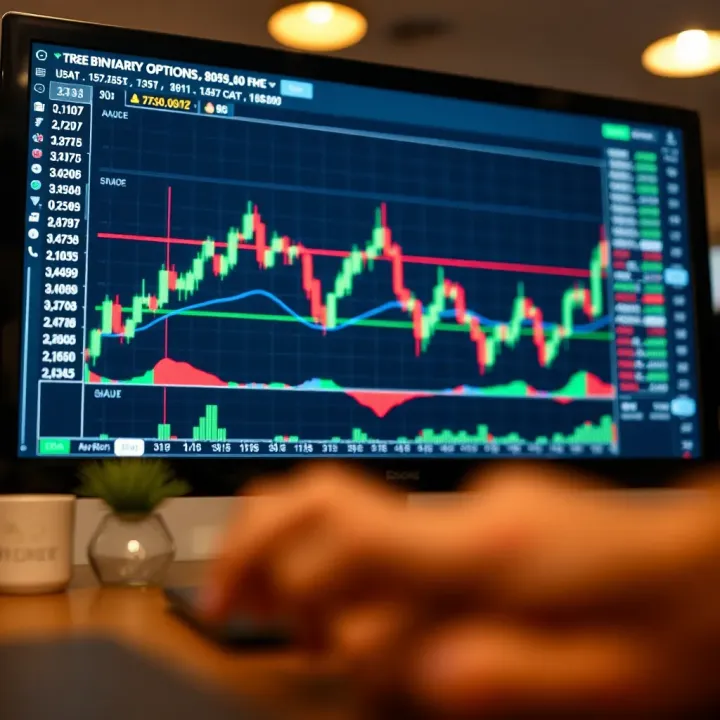
Understanding Binary Trading View for Kenyan Traders
Explore Binary Trading View 📊 for Kenyan traders 🇰🇪 with tools, strategies, and tips to navigate binary options confidently while managing risks wisely.
Edited By
James Ellis
Trading indices allows Kenyan investors to track the overall performance of a group of stocks rather than focusing on individual shares. For example, instead of buying shares in Safaricom or Equity Bank alone, you can invest in an index that bundles many companies, giving you broader market exposure while reducing the risk of putting all your money into one firm.
Indices such as the Nairobi Securities Exchange (NSE) 20, NSE All Share, or key global ones like the S&P 500 and FTSE 100 represent baskets of companies chosen to reflect a particular market segment or economy. These provide a snapshot of market health and investor sentiment, both locally and internationally.

Investing in indices can be a more balanced way of engaging with the stock market, especially if you want to avoid the day-to-day volatility of single stocks.
Kenyan investors can trade indices using several methods: through exchange-traded funds (ETFs) listed on the NSE, CFD trading with regulated brokers, or international platforms that allow access to global markets. For instance, buying an NSE 20 ETF permits you to benefit from the top 20 companies listed on Nairobi’s market without purchasing each share individually.
When trading indices, understanding the risks is crucial. Indices tend to be less volatile than single stocks but can still be affected by economic factors such as political stability, currency fluctuations like changes in the Kenyan shilling, and global events that impact markets worldwide.
To trade indices effectively:
Research the index composition to know which sectors or companies drive the risks and returns.
Use stop-loss orders to protect your investments from sudden market downturns.
Diversify across different indices (local and international) to spread risk.
This guide will explore these points in depth, helping you make informed choices when dealing with index trading. Kenya’s growing access to digital trading platforms, coupled with improved financial literacy, means more investors can now participate meaningfully in stock market opportunities both at home and abroad.
Understanding what trading indices really involves is the first step for any Kenyan investor interested in diversifying beyond individual stocks. Indices provide a way to track overall market performance without having to buy many individual shares. Their relevance in the local context grows as investors learn to view indices as a simpler path to access global and regional markets from Nairobi or other Kenyan towns.
At its core, a stock market index is a statistical measure that shows the performance of a group of stocks. Instead of focusing on a single company, the index reflects how that collection of stocks behaves in general. This makes indices a useful barometer of economic sectors or whole markets.
Indices represent a basket of stocks carefully selected to provide a broad yet manageable sample of the market. For example, the NSE 20 Share Index consists of 20 prominent companies listed on the Nairobi Securities Exchange (NSE) and gives a quick snapshot of the Kenyan market's health. It's like keeping an eye on a handful of key players rather than every single one.
Globally, investors look to indices like the Dow Jones Industrial Average (DJIA), which tracks 30 major US companies, or the S&P 500, which covers 500 large-cap companies. These indices influence investors worldwide, and Kenyan traders often watch them to gauge trends that could impact local markets. Plus, African regional indices like South Africa's JSE All Share Index matter for East African investors keeping tabs on the broader continent.
Trading indices offers several practical advantages compared to buying individual shares. For one, indices usually carry less volatility since they spread risk across multiple stocks. Instead of being affected by the sudden fall of one company, index values tend to smooth out such shocks, providing a steadier ride.
Diversification is the key benefit here. By trading an index, you automatically hold a portfolio spanning sectors and companies, reducing the risk of big losses from company-specific issues. Think of it like spreading your eggs across several baskets rather than putting all in one, a simple way to guard your investment capital.
Liquidity is another factor Kenyan traders appreciate. Major indices trade on huge volumes and offer tight spreads, meaning you can enter or exit positions easily without waiting or paying high costs. Also, indices often trade for longer hours across different time zones. For example, you can trade the S&P 500 after Nairobi’s market hours through global brokers offering CFDs (contracts for difference), blending local convenience with international access.
Trading indices can be a practical first step for Kenyan investors who want exposure to stock markets with reduced risk and greater flexibility compared to picking individual stocks.
In the end, grasping the basics of indices equips you to navigate the trading scene wisely, whether you're watching the NSE 20, the FTSE 100, or global giants like the NASDAQ Composite from your device in Nairobi.
Choosing the right indices to trade is key for Kenyan investors looking to balance exposure across markets and sectors. Popular indices provide a snapshot of economic health and investor sentiment both globally and regionally. Understanding these indices helps you identify where to allocate capital, manage risks, and seize opportunities in markets compatible with Kenyan trading hours and financial regulations.
The DJIA tracks thirty large, well-established U.S. companies across industries like manufacturing, technology, and finance. It’s price-weighted, meaning higher-priced shares have more influence on the index’s movement. For Kenyan traders, the DJIA offers insight into the health of major blue-chip firms regarded as economic bellwethers. Its trading hours overlap with Kenyan off-hours, so you can plan trades ahead or during early mornings. The DJIA’s stability often appeals to risk-averse investors seeking exposure to the U.S. economy.
This index covers 500 large U.S. companies and uses market capitalisation weighting, giving more weight to bigger firms. It provides broader market exposure than the DJIA, with sectors spanning technology, healthcare, and consumer discretionary goods. Kenyans trading indices will find the S&P 500 useful due to its wide coverage and responsiveness to U.S. economic indicators and corporate earnings. It's also a popular underlying for ETFs and derivatives available via Kenyan brokers.
The NASDAQ Composite mostly tracks tech and growth stocks, including giants like Apple, Microsoft, and Google. It's market-cap weighted with a heavy tilt towards innovation and disruptors. This index suits Kenyan investors who want to tap into fast-moving technology sectors. Its volatility is higher, which offers both opportunity and risk. Since NASDAQ trading aligns with U.S. market hours, it's important to monitor global tech news, which heavily influences price swings.
The FTSE 100 reflects the performance of the top 100 companies listed on the London Stock Exchange. With many multinational businesses, including commodity and financial firms, it offers insight into the health of Europe’s largest economy. For Kenyan traders, the FTSE 100 allows strategic exposure outside North America, especially during Kenyan daytime hours. Major firms like BP and HSBC influence the index, so global commodity prices and Brexit developments often impact movements.
Japan’s key index tracks 225 large-cap companies across technology, automotive, and manufacturing sectors. It’s price-weighted and influenced by firms like Toyota and Sony. Trading the Nikkei gives Kenyan investors a window into Asia-Pacific markets, diversifying beyond Western markets. Time zone differences mean Nikkei trading happens overnight Kenyan time, so managing positions around these hours is crucial.

The NSE 20 Index tracks twenty large companies listed on the Nairobi Securities Exchange, including banks, telecommunications firms, and energy companies. For Kenyan traders, this index offers direct exposure to the local economy and familiar companies like Safaricom and Equity Bank. It’s ideal for investors wanting to support domestic growth while benefiting from intraday trading aligned with Kenyan business hours.
South Africa’s Johannesburg Stock Exchange (JSE) All Share Index covers the largest listed companies and represents a key benchmark in Africa. It’s useful for Kenyan investors seeking regional diversification across sectors like mining, finance, and telecommunications. The JSE operates during Kenyan daytime, making it easier to follow live market action and respond quickly to changes.
The East African Community (EAC) market indices aggregate stocks from member states such as Uganda, Tanzania, and Rwanda. These indices provide a broader East African economic picture, useful for Kenyan investors tracking regional integration and cross-border trade opportunities. While liquidity may be lower than global indices, they offer a more accessible entry point for those interested in regional growth stories.
Selecting the right indices depends on your risk appetite, desired exposure, and trading hours. Combining global and regional indices can balance growth potential with familiarity and reduced volatility.
Trading indices offers an accessible way for Kenyan investors to engage with broad market movements instead of single stocks. Understanding how to trade indices effectively helps you balance risk and return, especially since indices represent a basket of companies across diverse sectors. For example, trading the NSE 20 Index lets you tap into Kenya's largest firms without needing to pick individual winners or losers.
ETFs are investment funds traded on stock exchanges that track indices. Buying an ETF linked to the S&P 500, for instance, means owning a small piece of all 500 companies in that index. For Kenyan traders, ETFs provide a straightforward way to invest in international indices like the FTSE 100 or NASDAQ without hassle of dealing with foreign shares directly.
CFDs are derivative products allowing you to speculate on index price movements without owning the underlying asset. This makes them useful for short-term trading with leverage. However, CFDs carry higher risk because losses can exceed your initial deposit. In Kenya, brokers offering CFDs often integrate local payments to ease capital flow, but you should approach CFDs carefully and ensure proper risk controls.
Futures and options give you rights or obligations to buy or sell an index at a future date and price. While more complex, these tools enable sophisticated hedging and speculation strategies. Kenyan investors might use futures contracts on the NSE 20 to hedge against market downturns or speculate on expected movements ahead of economic data releases. But trading futures demands understanding contract specifications and margin requirements.
Selecting a broker regulated by the Capital Markets Authority (CMA) ensures compliance with Kenyan law and protects your investments. Fees vary widely, so weigh commissions, spreads, and withdrawal charges. Also check that the platform provides access to the indices you want to trade – some brokers focus on local stocks, while others cover global indices.
Convenient deposit and withdrawal options through M-Pesa matter a lot here. Brokers with seamless M-Pesa integration make funding accounts and cashing out faster, avoiding costly bank transfers or forex issues. Some platforms accept both Lipa Na M-Pesa and Paybill, easing cash flow for traders outside Nairobi as well.
The ability to trade during global market hours without interruptions is key. Look for platforms with minimal downtime and stable execution speeds, especially if you prefer intraday or day trading. Kenyan time zones can mean trading the New York or London markets late at night – reliable apps with mobile access help you stay in control while on the go.
This strategy involves identifying and trading in the direction of prevailing market trends. Say the Dow Jones has been steadily rising due to strong US economic data; a trend follower would look for entry points to buy and stay long until signs of reversal. Kenyan traders can apply this by watching global indices and aligning trades with clear momentum.
Range trading focuses on buying at support levels and selling at resistance when the market moves sideways. In times when the NSE 20 isn’t trending sharply, this can be a way to make small gains by observing price bounce patterns. It demands patience and good market timing to avoid fake breakouts.
Indicators like Moving Averages, Relative Strength Index (RSI), and Bollinger Bands help identify trading signals. For example, a moving average crossover might signal a buy opportunity in the FTSE 100. Combining indicators enables Kenyan investors to time entries and exits better, especially when fundamental news is scarce or mixed.
Trading indices effectively means combining the right instruments with strategies suitable to your risk tolerance and market conditions. Taking time to choose a reliable broker and understanding each method's nuances can help protect your KSh investments and improve your chances of consistent profits.
Trading indices carries its own set of risks and considerations that Kenyan investors must understand to protect their capital and trade wisely. Unlike trading individual stocks, indices represent broader market movements, which means global factors can have a big impact. Taking time to manage risk and avoid common pitfalls can make a real difference in your trading outcomes.
Indices often react sharply to global news events. For example, political shifts in the US or China, changes in oil prices, or unrest in oil-producing countries can cause sudden swings in indices like the S&P 500 or the Nikkei 225. For Kenyan traders, this means keeping an eye on international headlines beyond local markets—these global developments influence market sentiment and can trigger significant price moves.
Economic indicators such as GDP growth, unemployment rates, and central bank decisions worldwide influence index performance. When the US Federal Reserve alters interest rates, it often impacts global indices due to the dollar's role as a reserve currency. Also, quarterly corporate earnings reports of key companies within an index can drive price fluctuations. For example, if a major tech firm listed on the NASDAQ misses earnings expectations, the whole index may drop. Monitoring such releases helps you anticipate possible volatility and adjust your trades accordingly.
Understanding your risk tolerance is vital when trading indices. It's wise to allocate only a portion of your trading capital to any single position to avoid heavy losses. For instance, using 2-5% of your total capital per trade allows you to survive inevitable ups and downs. Kenyan traders should consider their financial goals, current obligations, and trading experience before deciding position sizes. This cautious approach helps protect your money, especially in volatile markets.
Stop-loss orders automatically close your trade at a set price to limit losses, while take-profit orders lock in gains once a target price is reached. Using these tools prevents the emotional decision-making that can lead to significant losses. For example, if you buy an index CFD expecting an upward trend, setting a stop-loss 2% below your entry price ensures you cap the downside. This type of risk control is essential, particularly when trading with leverage, which many Kenyan brokers offer.
Jumping into too many trades or following every small market move can drain your capital quickly. Many new traders get caught up in chasing the latest trends without clear analysis. This behaviour often leads to losses due to poor timing or market noise. It's better to wait for solid signals and stick to a trading plan.
Focusing only on the local environment while ignoring global developments can leave you blindsided. Since indices reflect regional or global economies, factors such as US-China trade talks or changes in oil output affect indices worldwide, including Kenya’s NSE 20 Share Index. Staying informed about these can help you avoid unpleasant surprises.
Following unverified tips from social groups or online forums without personal research is risky. Markets change rapidly, and what worked yesterday may not work today. Kenyan investors should seek data-driven insights and build skills to analyse charts and news rather than rely on hearsay.
Taking a disciplined, informed approach to trading indices helps manage risks and removes guesswork. Remember, success doesn’t come from shortcuts but from steady learning and careful strategy.
Trading indices can be quite rewarding, but knowing where to get reliable information and tools is just as important. Kenyan traders benefit greatly when they tap into practical resources tailored to their market context. Having access to the right news, educational content, and technology makes a big difference in understanding price moves and managing risks.
NSE and CMA Kenya websites are the go-to sources for official market data and regulatory updates. The Nairobi Securities Exchange (NSE) website offers live index values, company announcements, and market performance charts, helping traders keep a finger on the pulse. Meanwhile, the Capital Markets Authority (CMA) Kenya site provides regulatory guidelines that protect investors and ensure transparency. Regularly visiting these sites keeps you informed about changes that affect trading, such as new listing rules or market suspensions.
Financial news sources relevant to Kenya and global markets supply broader context for index trading. For example, local platforms like Business Daily or The Standard Digital report on economic indicators like inflation or interest rate changes, which can influence index trends. At the same time, understanding global events, such as US Federal Reserve decisions or oil price shifts, is vital since these ripple across markets worldwide—including Kenya’s. Accessing a mix of Kenyan and international news helps you piece together factors guiding index movements.
Online courses and webinars on index trading offer affordable learning opportunities that fit busy schedules. Platforms hosting sessions by experienced traders explain how to interpret charts, apply technical indicators, or manage risk specifically for indices. Kenyan brokers often partner with educational providers, making it easier to find courses relevant to local regulations and currency considerations. Participating in these learning events boosts confidence and builds skills without needing to leave your home.
Broker apps offering M-Pesa integration make funding your trading accounts straightforward. Given how popular M-Pesa is in Kenya, many brokers now allow instant deposits and withdrawals via mobile money. This convenience removes delays common with traditional banking and suits traders managing small or medium accounts who want quick access to funds.
Tracking indices on mobile platforms enables you to monitor market fluctuations wherever you are. Many popular trading apps offer real-time data for global and Kenyan indices right on your phone. This means you can quickly spot price changes, evaluate trends, or check previous sessions during a boda boda ride or while waiting in line.
Setting alerts and managing positions from mobile empowers you to stay on top of your trades without being glued to screens all day. You can set price alerts that notify you via push messages, enabling timely decisions to buy or sell. Moreover, mobile apps let you adjust stop-loss or take-profit orders instantly, useful when volatility spikes during global market openings.
Aligning trading activities with local time zones and market hours helps optimise decision-making. Kenya runs on East Africa Time (EAT), so synchronise your trading to when local markets like the NSE or global markets like New York and London are open. For instance, the NSE operates between 9:30 am and 3:00 pm EAT, so planning your trades around these hours increases efficiency and liquidity.
Considering KSh currency fluctuations is essential since international indices are usually priced in US dollars or other foreign currency. Changes in the shilling's value can affect your returns when converting profits or losses. Keeping an eye on forex trends or inflation reports in Kenya helps avoid surprises due to currency risk.
Understanding taxation and regulatory compliance keeps your trading above board. Profits from index trading count as income and may be subject to Capital Gains Tax under Kenya Revenue Authority (KRA) regulations. Also, ensuring your broker is regulated by CMA Kenya protects your investments and guarantees adherence to standards. Familiarity with these rules prevents penalties and allows smooth trading operations.
Practical resources and tools that reflect the Kenyan market realities enhance your ability to trade indices wisely and with confidence. Stay updated, leverage mobile technology, and plan with local conditions in mind for better trading outcomes.
Explore Binary Trading View 📊 for Kenyan traders 🇰🇪 with tools, strategies, and tips to navigate binary options confidently while managing risks wisely.
🔒 Explore secure binary trading login tips for Kenyan traders. Learn registration steps, tackle login issues, and protect your account effectively!

📈 Explore crypto trading in Kenya with this practical guide! Learn strategies, market basics, risk management, and stay secure in local crypto space.

💡Explore cryptocurrency trading in Kenya! Learn key concepts, smart strategies, risk management, and how to stay secure and compliant with local rules.
Based on 11 reviews