
Understanding Candlesticks for Traders
📈 Learn how to read and use candlesticks in trading! From basics to advanced patterns, understand their role in forex, stocks & commodities markets. 📊
Edited By
Isabella Reed
In forex trading, spreads are the difference between the price at which you can buy a currency and the price at which you can sell it. Knowing this gap is key because it determines the cost of entering a trade. For example, if you are trading the US dollar against the Kenyan shilling (USD/KES), and the buy price is 108.50 while the sell price is 108.45, the spread is 0.05. This might seem small, but for frequent traders, those fractions add up quickly.
Spreads appear in two main forms: fixed and variable (floating). Fixed spreads stay the same regardless of the market situation, which can be helpful when trading on a budget. However, they sometimes widen during market volatility. Variable spreads change according to market demand and liquidity. For instance, currency pairs like EUR/USD tend to have tighter spreads, but less liquid pairs or times of low trading activity might see spreads widen considerably.
Spread sizes depend on several factors, including the currency pair’s liquidity, market volatility, and the broker’s pricing model.
Understanding these factors helps you pick trading times and instruments with lower costs. For Kenyan traders, this can mean watching the forex market during major financial centres’ active hours, such as London and New York, when spreads tend to tighten.
Spreads directly impact your profitability. If the spread is wide, you need the currency to move further in your favour to profit. Therefore, managing spreads wisely is essential:
Compare brokers' spread offerings before opening an account
Monitor how spreads behave during news releases or market shifts
Choose pairs with consistently narrow spreads if you trade short-term
Ultimately, spreads are more than just numbers — they are part of your trading expenses. Keeping an eye on them ensures you don’t pay more than necessary, helping you safeguard your capital while growing your forex portfolio.
Spreads are a foundational concept in forex trading, shaping how much traders pay to enter or exit a position. Understanding spreads is essential because they directly affect trading costs and, ultimately, your profitability. In Kenya, where foreign exchange trading through platforms like MT4 and MT5 is increasingly popular, grasping what spreads represent can help traders make smarter decisions.
In forex markets, every currency pair comes with two price points: the bid and the ask. The bid price is the rate at which you can sell a currency pair, while the ask price is the rate at which you can buy it. The difference between these two prices is called the spread. For example, if EUR/USD is quoted with a bid of 1.1200 and an ask of 1.1203, the spread is 0.0003, or 3 pips.
These price points are crucial when you place trades. You always buy at the ask price and sell at the bid price. The spread, therefore, represents the cost of making that trade immediately and serves as a form of commission within the forex market.
Spreads act as the primary way brokers and market makers earn from your trading activity. Unlike traditional commissions charged in stock markets, the forex spread is built into the price. This means the moment you open a trade, you’re already starting with a small loss equal to the spread, which sets the break-even point a bit higher.
For marketplaces like Nairobi's growing forex hubs, spreads can vary depending on liquidity and market demand. During busy hours, spreads tend to shrink because more buyers and sellers are active, creating tighter bid and ask quotes. When markets are quieter, spreads often widen, increasing trading costs.
To calculate the cost you pay from the spread, multiply the spread size by the trade volume. For instance, if the spread on USD/JPY is 2 pips and you trade one standard lot (100,000 units), the cost is 2 pips × 100,000 × pip value. Since one pip in USD/JPY is typically 1,000 JPY, the cost converts roughly to KSh equivalent, depending on the rate. This direct cost impacts short-term trades the most because it happens right as you initiate a position.
Spreads influence how soon your trade begins to generate profit. Traders aiming for small price moves, such as scalpers or day traders, feel this impact strongly because the tightness of spreads can make or break the margin between winning and losing trades. For example, a scalper trading EUR/USD with a 1-pip spread must first cover this cost before seeing gains.
Long-term traders are less affected since they hold positions beyond short-term fluctuations, but even they benefit from lower spreads. In Kenya, many traders opt for brokers offering the tightest spreads, especially when volatility spikes during news releases, as bigger spreads could quickly erode potential profits.
Knowing how spreads work helps you estimate your cost of trading upfront and choose the currency pairs and brokers that align with your strategy and budget.
Choosing the right type of spread is vital for every forex trader. Spreads represent the broker's fee in buying and selling currency pairs, and different types affect your trading costs and strategy. Understanding fixed, variable, and commission-based spreads helps you pick a model that fits your trading style and keeps costs manageable.
Fixed spreads stay the same regardless of market conditions. This predictability can be a real advantage for traders new to forex or those who want to manage their transaction costs without surprises. For example, if your broker offers a fixed spread of 2 pips on the EUR/USD pair, you always know your cost will be roughly the same for each trade.
However, fixed spreads often come with a catch. Since the broker assumes the risk of market volatility, they usually set the fixed spread wider than the average variable spread. During calm market times, you might end up paying more than necessary. Also, in extreme market events, the broker may widen the spreads against their usual fixed rates or temporarily halt trading.
Fixed spreads are common among brokers offering dealing desk operations or market maker models. These brokers control prices internally and can stabilise spread costs. In Kenya, many beginner-friendly platforms and some local brokers offer fixed spreads to help traders avoid the stress of fluctuating costs, especially when market liquidity is low during off-peak hours.
Variable spreads change based on market liquidity, volatility, and other factors. When demand for a currency pair is high and markets are calm, spreads usually tighten — sometimes as low as 0.1 pips on major pairs like USD/KES or EUR/USD. On the flip side, during news releases or volatile sessions, spreads can widen several pips or more.
This fluctuation reflects real market conditions more accurately, so traders get pricing close to the interbank market. But that unpredictability requires caution. For instance, if you're trading the USD/KES pair during low local liquidity periods, spreads might spike, increasing your trade cost unexpectedly.
Understanding when variable spreads widen is crucial. Major newsroom events, Central Bank of Kenya (CBK) policy announcements, or global financial crises often cause spikes. Variable spreads suit experienced traders who can time their trades and handle this volatility, especially scalpers and day traders.
Some brokers offer a commission-based pricing model where spreads are generally tighter, sometimes close to zero, but you pay a separate fixed commission per trade. This approach can lower overall trading costs if you trade large volumes or rely on high-frequency strategies.
For example, a broker might charge a 0.5-pip spread plus a commission of KSh 200 per standard lot traded. Although commission adds another cost layer, the tight spread often compensates during active trading. This model is common with ECN (Electronic Communication Network) brokers connecting traders directly to liquidity providers.
When choosing between spread-only and commission-based models, consider your trading frequency, style, and the currency pairs you focus on. If you mostly trade major pairs and prefer quick scalps, commissions with tight spreads might save you money. On the other hand, for long-term traders, simpler fixed or variable spreads without commissions can be easier to manage and understand.
In summary, knowing your spread type helps you control trading costs and make better decisions. Whether fixed, variable, or commission-based, pick what aligns with your strategy and market expectations.
Several factors shape the size of forex spreads, directly affecting trading costs and strategy outcomes. Understanding these elements helps traders make smarter choices when entering or exiting the market. The main influences include market liquidity, the time of day, currency pair characteristics, and broker policies, all of which can tighten or widen spreads unexpectedly.
Liquidity refers to how easily a currency pair can be bought or sold without affecting its price. When liquidity is high, many buyers and sellers are active, which tightens spreads because competition keeps bid and ask prices close. For example, the EUR/USD pair usually enjoys tight spreads due to its massive trading volume worldwide.
On the flip side, lower liquidity tends to widen spreads. In Kenyan markets, trading less-common or exotic pairs like KES/NGN faces wider spreads because fewer participants are involved. This increases costs for traders and requires them to watch spreads carefully to avoid eroding potential profits.
Forex markets operate 24 hours but spread sizes fluctuate throughout the day, reflecting global trading sessions. During London and New York overlaps, liquidity surges, making spreads tighter. Kenyan traders active between 3 pm and 10 pm East Africa Time usually benefit from these tighter spreads.
Outside these peak hours, especially during the Asian or Pacific sessions, reduced activity often leads to wider spreads. For instance, late-night trading in Nairobi when European markets are closed might see costlier spreads, so traders should plan their activities around these windows.
Currency pairs like EUR/USD, GBP/USD, and USD/JPY dominate global forex volumes. Their popularity ensures robust liquidity and tight spreads. Kenyan traders favouring these pairs usually enjoy lower transaction costs, which can improve overall profitability.
Pairs prone to sharp price swings, such as USD/ZAR or USD/TRY, feature wider spreads to compensate brokers for increased risk. Volatility can cause spreads to suddenly widen, adding unpredictability to trading expenses. Traders dealing with such pairs should factor in this variability to avoid surprises.
Execution speed and the technology behind trading platforms also influence spread behaviour. Brokers with advanced systems and direct market access often offer faster, more accurate pricing with tighter spreads. For example, in Nairobi, brokers using electronic communication networks (ECNs) provide variable spreads closely linked to real market conditions.
Conversely, slower platforms or dealing desks that re-quote orders may cause wider or inconsistent spreads, frustrating traders who require precision for strategies like scalping. Kenyan traders should check broker reputations and technology before committing to minimise hidden or fluctuating costs.
Understanding these factors allows forex traders to plan wisely, picking times and pairs to trade that suit their risk tolerance and cost expectations. Being aware of spread drivers helps manage trading costs effectively, especially in volatile markets.
Monitor liquidity levels to pick trades with tighter spreads
Align trading times with peak market sessions for cost efficiency
Choose popular currency pairs to benefit from lower spreads
Evaluate broker technology and execution methods consistently
This knowledge equips you to navigate the forex market with better control over your expenses and improves chances of consistent profits.
Selecting the right spread is key to matching your trading approach and managing costs effectively. Different trading styles face distinct challenges and opportunities when it comes to spreads. Knowing which spreads suit your method helps you avoid surprise costs and improve overall profitability.
Scalping involves making many quick trades to capture small price changes. Traders practising scalping need tight spreads to avoid bleeding money on transaction costs with each trade. For example, a scalper targeting just a few pips of gain can easily lose out if the spread is wide, say 3-4 pips, especially on less liquid currency pairs. Tight spreads allow scalpers to enter and exit trades swiftly without the spread cutting too much from potential gains.
Kenyan traders who scalp often focus on major pairs like USD/KES or EUR/USD because these pairs usually offer narrow spreads during peak hours. Using brokers that provide consistently low spreads can be a game-changer when scalping, since every half pip difference affects the bottom line.
Long-term traders tend to hold positions for days or weeks, so the impact of spreads on their overall performance becomes less intense compared to scalpers. While spread cost still matters, these traders value flexibility with spreads, especially during periods of high market volatility.
For instance, a Kenyan investor using a carry trade strategy might accept slightly wider spreads if the interest rate differential works in their favour over time. The cost of spread becomes less significant compared to potential gains or losses from market moves. Still, monitoring spread fluctuations during major news events remains advisable to avoid surprises.
When choosing a broker, always ask about how they handle spreads. Find out if spreads are fixed or variable and whether there are additional fees like commissions. Transparency in these details helps you assess the true cost of trading. A good broker will clearly show spread costs on their trading platform without hidden charges.
Use demo accounts to test how spreads appear and behave on your chosen trading platform. Check if you get real-time updates on spread changes, especially in fast-moving markets. Reliable platforms provide clear spread information and execute trades quickly, minimising the risk of price slippage.
Understanding your spread costs well and choosing brokers with transparent policies and dependable platforms can save you significant money and frustration in forex trading.
Managing spread costs wisely is key to maximising gains in forex trading. Spreads are part of your transaction costs, and without careful attention, they can eat into your profits. This section shares practical steps to keep those costs low, making your trading more efficient and suited to your strategy.
Liquidity affects spread size heavily because more participants in the market lead to tighter spreads. The best times to trade in the Kenyan time zone (East Africa Time, EAT) include the London and New York trading sessions overlapping, typically between 4 pm and 8 pm EAT. During these hours, major currency pairs experience lower spreads as banks, hedge funds, and big institutions actively trade, offering more competitive bid and ask prices.
For example, the EUR/USD or GBP/USD often have spreads below 2 pips in this window, while outside these hours, spreads may widen significantly. Trading in quieter hours, like late at night or early morning, can expose you to higher spread costs, especially in less liquid pairs.
Major currency pairs like USD/KES, EUR/USD, or GBP/USD generally have tighter spreads due to high liquidity and trading volume. Exotic pairs, such as USD/NGN (Nigerian Naira) or USD/ZAR (South African Rand), tend to have wider spreads because fewer traders transact these pairs regularly, increasing costs.
If you're a Kenyan trader focusing on cost-effective trading, sticking with majors or actively traded cross-currency pairs helps keep spreads low. Exotic pairs can sometimes present opportunities, but you must factor in the higher spread as part of your risk management.
Spreads aren't your only cost; some brokers also charge commissions on top. Brokers offering very tight spreads sometimes compensate by charging a fixed commission per trade. Others might work with wider spreads but no direct commissions. Understanding this balance helps you know where your money goes.
For example, a broker may show a fixed spread of 1 pip on EUR/USD but charge KSh 500 per lot as commission. Another might offer a 2-pip spread but no commission. Depending on your trade size and frequency, one structure may save you money over the other. Always calculate your total trading cost before choosing a broker.
Before committing real money, use demo accounts to see how spreads affect your strategies in real-time market conditions. Demo platforms often mirror live spread scenarios and let you practise order timing during different sessions without risking capital.
This helps you understand whether your chosen pairs and trading hours suit your goals. For instance, if scalping, you'll notice how wide spreads during low liquidity hurt your profits. Practice on demo accounts builds confidence and sharpens your ability to spot efficient trading windows.
By paying attention to when and what you trade, how your broker charges fees, and using demos to sharpen skills, you can manage and reduce spread costs effectively. This improves your chance of consistent profits in the Kenyan forex market.
📈 Learn how to read and use candlesticks in trading! From basics to advanced patterns, understand their role in forex, stocks & commodities markets. 📊

🤖 Learn how Deriv bots automate trading on the Deriv platform with tips for Kenyan traders on setup, types, benefits, risks & best strategies.
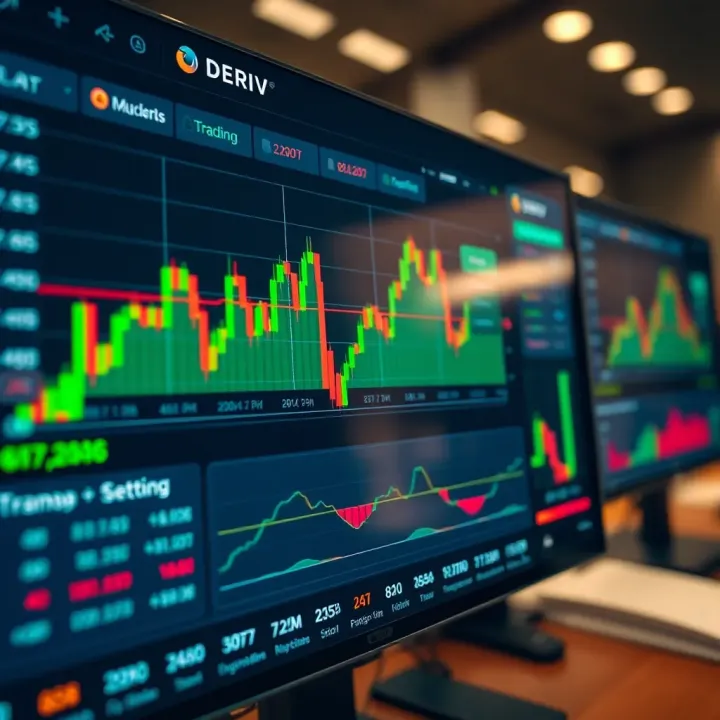
🤖 Explore how Deriv bot trading works, plus setup tips, pros & cons, and smart strategies to boost your trades safely in Kenya and beyond.
Learn how to use demo trading accounts effectively 🇰🇪. Practice trading in Kenya without risk, master strategies, and prepare to trade live with confidence 📈💡.
Based on 13 reviews