

Understanding Derivatives in Kenya's Financial Markets
📈 Explore how derivatives work in Kenya's markets, key types, risks, and regulations to make informed financial decisions with practical insights.
Edited By
Isabella Clarke
HODL is a key term circulating heavily in cryptocurrency circles. Originally a typo of "hold" on a 2013 Bitcoin forum, this slang caught on as a rallying cry for investors to resist selling during market dips. Rather than reacting to short-term price swings, HODLing means holding your crypto assets over a long period, hoping their value rises significantly.
The strategy fits Kenya's growing crypto scene where volatility is common and many investors seek steady growth. Instead of flipping coins daily or chasing hype, HODL encourages patience. For example, someone who bought Bitcoin in 2017 and kept it steadily until today would have seen considerable gains despite busts along the way.
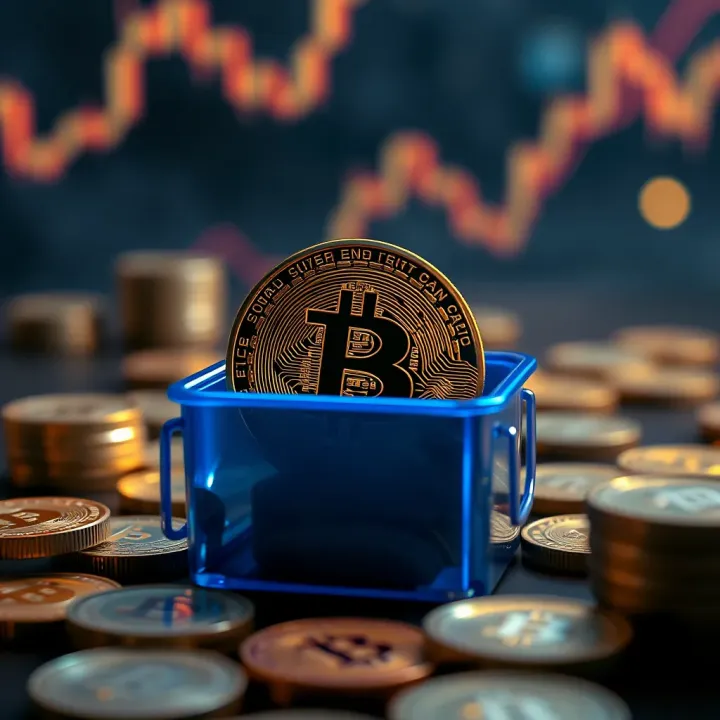
HODLing emphasises discipline over emotion — a crucial factor when dealing with digital currencies that can fluctuate wildly within hours.
Avoid falling victim to panic selling: Sharp declines in crypto prices often trigger impulsive sales that lock in losses.
Benefit from potential long-term appreciation: Cryptocurrencies like Bitcoin and Ethereum have shown significant growth over years.
Simplify investment management: Holding reduces the complexity and costs tied to frequent trading.
Be clear about your investment goals — is this a short-term gamble or long-term wealth build?
Stick to coins or tokens with strong fundamentals and adoption.
Use secure wallets and never invest money you cannot afford to lose.
While a HODL approach is not risk-free, it often outperforms attempts to time the notoriously unpredictable crypto markets. In Kenya, where many seek alternatives to traditional savings and investment options, understanding HODL offers a useful perspective on managing crypto asset volatility.
This article will break down the origins and strategies tied to HODL, alongside risks and benefits most relevant to Kenyan investors looking to play the crypto game wisely.
Understanding what HODL means is fundamental for anyone involved in cryptocurrency trading or investing. The term guides how many investors approach their digital assets, especially in volatile markets. Knowing its origin and practical implications helps traders avoid emotional mistakes, keep focus on long-term goals, and navigate market swings effectively.
HODL represents more than just a word; it’s a mindset that encourages holding onto cryptocurrency investments through ups and downs. This holds practical value in markets like Kenya’s, where fluctuating prices and uncertain regulations can test an investor’s nerves. Grasping the meaning of HODL also aids financial advisors and analysts in advising clients on strategies that balance patience and risk management.
The term HODL actually started as a typo in a 2013 Bitcoin forum post. A user intended to write "hold" but mistakenly typed "HODL". Instead of correcting it, the writer doubled down, making the typo famous among crypto enthusiasts. This little error took on a life of its own, symbolising the act of holding onto coins even when prices dive.
This origin story shows how informal moments can shape culture in fast-moving, digital environments. For Kenyan traders, the story suggests that sometimes informal advice or community slang can carry practical wisdom—like staying calm instead of panic selling during turbulent times.
After that forum post, HODL quickly spread through cryptocurrency communities worldwide. Early adopters embraced it as a rallying cry to resist the urge to sell during market crashes. The term appeared in memes, social media, and even trading platforms. This viral adoption helped create a strong culture around patience and commitment.
In Kenya, where cryptocurrency is gaining traction, this concept supports investors facing frequent price fluctuations and uncertain policy environments. By understanding HODL’s grassroots start, investors can appreciate it as more than just jargon but as a tested approach within crypto circles.
Literally, HODL is a misspelling of "hold", but in cryptocurrency communities, it carries a deeper meaning. It’s understood as a strategy of refusing to sell assets despite market volatility. This practical difference matters because it highlights the emotional strength required for investing, especially in a market as unpredictable as crypto.
For example, a Kenyan investor might see Bitcoin’s price drop steeply but, guided by the HODL principle, decides to hold their coins instead of selling at a loss. This approach recognises market cycles and bets on long-term growth rather than short-term gains.
HODLing aligns with viewing cryptocurrency as a long-term asset rather than a quick way to make money. It reflects a belief in the future value of digital assets, a view supported by past trends where those who waited often benefited from price recoveries.
Practically, HODL works alongside strategies like dollar-cost averaging. Kenyan investors, for example, might buy small amounts of cryptocurrency regularly and hold onto them for years. This reduces the impact of short-term price drops and builds a stronger portfolio over time.
HODL reminds investors: patience can pay off in markets full of noise and uncertainty, especially in emerging crypto economies like Kenya.

By knowing what HODL means, traders and analysts can better assess risk tolerance, craft investment plans, and advise clients on holding versus selling decisions. In the Kenyan context, where cryptocurrency regulation is still evolving, HODL offers a steady path amid unpredictability.
Kenyan investors often choose to HODL cryptocurrencies because it aligns with their belief in the long-term potential of digital assets. While the market can be unpredictable day-to-day, HODLing offers a disciplined approach to weathering short-term fluctuations.
Many investors see cryptocurrencies as the future of money and finance. For example, Bitcoin is often viewed as digital gold — a scarce asset with a limited supply of 21 million coins, making it attractive for preserving value against inflation. Similarly, Ethereum's blockchain technology drives decentralised finance (DeFi) and smart contracts, which have real use cases beyond currency. Kenyan investors who trust these fundamentals choose to hold their coins over years, hoping their value increases as adoption grows.
Market swings in cryptocurrency are common and sometimes extreme. New investors might panic sell when prices dip, locking in losses unnecessarily. HODLing helps avoid these emotional decisions. For instance, during the crypto crash in 2018, those who held onto Bitcoin instead of selling at lows saw significant returns when prices recovered. This approach requires patience and a clear investment plan to resist short-term fears and FOMO (fear of missing out).
Looking at historical data, some of the most substantial gains in crypto have come from holding long-term rather than frequent trading. Bitcoin, for example, has grown from just a few cents in 2010 to tens of thousands of dollars in recent years. While past performance doesn’t guarantee future results, HODLing has rewarded disciplined investors who are prepared to wait. In Kenya, investors who bought Bitcoin or Ethereum and held for at least three to five years have often seen their portfolios multiply several times, surpassing gains from traditional assets like stocks or bonds.
HODLing is not about quick wins but playing the long game based on conviction and a clear understanding of the risks.
In summary, investors choose to HODL because they believe in cryptocurrency’s future, want to avoid rash selling during volatile periods, and aim to benefit from potential long-term gains. This strategy demands patience and confidence but can offer substantial rewards if managed wisely.
Successful HODL investing often hinges on well-thought-out strategies that manage risk while staying firm on long-term goals. Rather than blindly holding crypto without a plan, smart investors use specific methods to maximise their chances of gains and protect against losses. Below are three common strategies many Kenyan crypto enthusiasts use when HODLing.
Timing plays a subtle but important role in HODL strategies. Holding on through market ups and downs calls for patience, but it doesn't mean ignoring major shifts. For instance, investors sometimes wait for strong signs of recovery during a bear market before adding more assets.
A crucial element is the mental readiness to endure volatility without panic-selling. Take, for example, the 2017 Bitcoin surge followed by the crash in 2018. Those who held firm through that rough patch saw significant profits years later. In Kenya, where many investors have limited access to comprehensive financial advice, developing this patience is key to avoiding knee-jerk reactions during sudden market dips.
Dollar-cost averaging (DCA) means investing fixed amounts regularly regardless of price. Combining DCA with HODL allows Kenyan investors to reduce the risk of buying crypto at a high price. For example, someone might invest KSh 5,000 into Bitcoin every month via local exchanges like BitPesa or Binance Kenya.
This approach smooths out price fluctuations and builds a crypto portfolio steadily over time. Instead of trying to predict market peaks, you simply keep buying bit by bit. That way, when prices fall, your average cost decreases, and when prices rise, you benefit from the gains without having invested a lump sum at a single, possibly unfavourable, price.
HODL does not mean putting all eggs in one basket. Diversifying assets guards against the failure of any single cryptocurrency. Kenyan investors often mix well-known coins like Bitcoin and Ethereum with promising altcoins such as Polkadot or Cardano, balancing exposure and potential.
Diversification spreads risks but also requires keeping an eye on the portfolio to avoid over-concentration on volatile tokens. For instance, holding too much of a small-cap crypto with low liquidity could lock up funds or lead to heavy losses if the coin crashes. A balanced portfolio protects long-term value and keeps investment goals realistic.
A strong HODL strategy combines patience, regular investment, and diversification to thrive in the unpredictable crypto market. This approach is particularly useful in Kenya, where new investors are growing their crypto holdings cautiously amid policy shifts and market swings.
Understanding and practising these strategies helps you stay on track and reduces the chance of losses fueled by emotion or impulse. Kenyan crypto investors benefit from adopting disciplined, informed HODL methods suited to local opportunities and challenges.
Holding on to cryptocurrency over long periods comes with several risks and challenges that every investor should understand. While HODLing aims to ride out market swings, it doesn't remove exposure to losses or other issues.
Cryptocurrency prices are notoriously volatile. Prices can swing dramatically within hours or days. For example, Bitcoin has experienced drops of more than 30% in a single day multiple times. This volatility means that holding without a strategy can lead to significant unrealised losses. A Kenyan investor who bought Ethereum at its peak in early 2022 and held through subsequent downturns would have seen their portfolio shrink substantially. While HODLing assumes patience and confidence in recovery, there is no guarantee prices will rebound to previous highs, especially for less established coins. It’s important to assess risk tolerance and avoid investing more than you can afford to lose.
Keeping cryptocurrencies safe is a critical challenge. Unlike bank accounts, crypto wallets provide full control but also place full responsibility on users to protect their assets. Losses can happen due to hacking, phishing scams, or simple mistakes like losing private keys. For example, cases abound where investors lost millions worth of crypto by storing coins on exchanges without two-factor authentication or falling for fake wallet apps. In Kenya, where internet security awareness varies, investors should prioritise secure wallets, preferably hardware wallets, and never share recovery phrases. Using reputable local exchanges with strong security and regularly updating software can reduce risks.
Kenyan investors must navigate an evolving regulatory landscape. The government’s position on cryptocurrency remains cautious, with the Central Bank of Kenya warning against crypto risks but recognising its potential innovations. Importantly, Kenya Revenue Authority (KRA) requires declaration of crypto gains for tax purposes. Failure to report income from crypto trading or gains from HODLing could attract penalties. Additionally, unclear regulations can create uncertainty; for example, restrictions or bans in other countries affect global markets, impacting Kenyan holders indirectly. Staying updated with laws via official channels and consulting financial advisors helps ensure compliance and avoid unforeseen legal challenges.
HODLing can offer gains, but it's not risk-free. Understanding market swings, protecting your digital coins, and following Kenya's tax rules are key to managing this strategy successfully.
By balancing patience with caution and proactive safety measures, Kenyan investors can better navigate the pitfalls of HODLing and align their investments with their financial goals.
Cryptocurrency's rise in Kenya has created new pathways for investors seeking beyond traditional assets like stocks or real estate. HODLing, or holding crypto long-term, connects well with Kenyan investors who often view the digital space as a way to build future wealth despite market ups and downs. This section looks at how HODL aligns with Kenyan financial habits and innovations.
Kenya stands out in Africa for its relatively high cryptocurrency adoption rates. Many Kenyans have embraced digital assets as an alternative investment, partly due to challenges like inflation risks and currency depreciation of the Kenyan shilling. Crypto also resonates with the younger, tech-savvy crowd who see blockchain as a new frontier for opportunity. For instance, during the 2021 crypto rally, platforms like Paxful and Binance noted increased registration by Kenyan users. This momentum fuels HODLing, with investors preferring to keep their crypto rather than frequently trade it, hoping for long-term gains rather than quick profits.
M-Pesa’s dominance in Kenyan mobile money payments creates a natural bridge to cryptocurrencies. Many Kenyans use M-Pesa to fund crypto wallets on local and international exchanges, simplifying the process of getting into crypto. Additionally, some platforms offer M-Pesa integration for faster purchases and even peer-to-peer transfers involving Bitcoin or stablecoins. This ease of access encourages holding crypto assets rather than cashing out immediately. It also means Kentans can move funds across borders or invest in global markets without the usual banking hurdles.
Local crypto exchanges such as BitPesa, Yellow Card, and Binance Kenya are pivotal for Kenyan investors practising HODL. These platforms offer verified, regulated environments that provide better security and clearer guidance on compliance with Kenya’s regulatory stance. Many local traders use these exchanges to diversify their crypto portfolios and take advantage of lower fees when buying and holding coins like Bitcoin or Ethereum. Furthermore, local exchanges help Kenyans navigate tax implications by providing documentation for capital gains, which is helpful given recent moves by Kenya’s tax agencies to clarify crypto taxation.
Kenyan investors who integrate HODL with accessible payment channels like M-Pesa and trusted local exchanges better manage risk and improve their chances of benefiting from cryptocurrency’s long-run potential.
By understanding HODL in the context of Kenya’s unique investment environment, crypto holders can make smarter decisions regarding when to hold and when to adjust their positions. This balance supports sustainable participation in the emerging digital economy.
Practising HODL in Kenya requires more than just buying cryptocurrency and hoping for the best. Investors need to be mindful of security, timing, and legal requirements to protect their investments and get the most from their holdings. This section offers practical tips to help Kenyan investors navigate these key aspects safely.
Keeping your cryptocurrency safe starts with selecting the right wallet. Hardware wallets, such as Ledger and Trezor, are popular because they store assets offline, reducing risks from hacking. If you're new or handling smaller amounts, trusted software wallets like Trust Wallet or the mobile Safaricom M-Pesa crypto wallet integration options might suffice but require cautious use. Always back up your private keys in a secure place—without them, recovering your coins is impossible.
Cybersecurity needs attention, so avoid storing large crypto amounts on exchanges due to hacking risks. Kenyan investors can diversify storage by separating long-term HODL assets in cold wallets from actively traded tokens in secure hot wallets. This strategy balances security with convenience.
HODLing doesn't mean ignoring the market completely. There are moments when selling or adjusting holdings makes sense, especially if your investment goals or market conditions change. For example, if a coin's fundamentals weaken or new regulations affect its use, reassessing your position protects you from avoidable losses.
Set clear investment goals with exit strategies. Some investors choose to sell portions at specific price targets or after a certain holding period to realise gains. Kenyan crypto markets can be volatile, so using tools that alert you to significant price changes can help you make timely decisions without emotional pressure.
Kenya's financial authorities, including the Capital Markets Authority (CMA) and Kenya Revenue Authority (KRA), continue to develop guidelines around cryptocurrency. Staying informed about regulatory updates is vital because rules around taxation and legal status can affect your holdings.
Reports indicate KRA may tax crypto profits as capital gains, so keeping accurate records of transactions and trades is essential when filing returns. Some investors overlook tax implications, which can lead to penalties. Attend local seminars or follow trusted financial news sources to stay current. Also, remember that failure to comply with new regulations can lead to frozen accounts or penalties, so proactive learning is key.
Securing your cryptocurrency through careful wallet choice, knowing when to adjust your holdings, and staying abreast of Kenya’s evolving crypto regulations are all critical for a safe and successful HODL practice.
Being cautious and informed helps Kenyan investors protect their assets and maximise potential returns in a market that is still maturing locally. By following these practical tips, you reduce risks and make your HODLing journey more secure and productive.
📈 Explore how derivatives work in Kenya's markets, key types, risks, and regulations to make informed financial decisions with practical insights.

🚚 Explore delivery services in Kenya—roles, types, tech, and challenges shaping doorstep logistics and e-commerce for everyday life and business growth.

💡Explore cryptocurrency trading in Kenya! Learn key concepts, smart strategies, risk management, and how to stay secure and compliant with local rules.

Explore the ins and outs of crypto trading platforms in Kenya 🔍, learn how to pick the best one, navigate risks, and stay ahead with future trends 🚀.
Based on 8 reviews