
Understanding Deriv.com for Kenyan Traders
Explore Deriv.com for Kenyan traders 🇰🇪! Learn about accounts, tools, security, depositing, and tips for safe, smooth online trading experience.
Edited By
Isabella Foster
Trading signals act like road signs for traders navigating the financial markets. They offer hints or indicators about when to buy or sell an asset, based on market data or mathematical calculations. For Kenyan traders, understanding these signals can make a real difference, especially when dealing with stocks listed on the Nairobi Securities Exchange (NSE), or when trading forex and commodities.
Most trading signals come from two main sources: technical analysis and fundamental analysis. Technical signals rely on price movements and patterns, such as moving averages or RSI (Relative Strength Index), to predict future trends. For example, if the 50-day moving average of a stock crosses above the 200-day moving average, it might signal an upward trend — sometimes called a “golden cross”. In contrast, fundamental signals focus on underlying business factors like earnings reports, economic news, or interest rate changes.
Kenyan traders commonly use signals generated by charting tools available on platforms like the NSE’s investor portal, MetaTrader, or local brokerage apps. Knowing where to spot trustworthy signals can prevent costly mistakes. For instance, a sudden spike in trading volume on a stock like Safaricom could indicate significant market interest, hinting at a potential price move.
Understanding and applying trading signals properly requires not just spotting the signal, but also timing and risk management.
Here are some practical ways Kenyan traders use signals:
Trend signals: Identify if the market or a particular stock is trending upward or downward.
Momentum signals: Measure the strength of price movement to decide on entry or exit points.
Reversal signals: Alert when a current trend may be weakening or about to change.
Volatility signals: Show when the market is more or less volatile, helping adjust position sizes.
In short, trading signals simplify complex market data into actionable information. However, they are not foolproof. Combining multiple signals and testing them on paper trading accounts before committing real money helps reduce risks. Whether trading forex pairs like USD/KES or investing in NSE stocks, using signals strategically improves decision-making and can enhance your trading outcomes.
Trading signals play a key role in guiding decisions when buying or selling assets in the market. For Kenyan traders, understanding these signals means having clearer insight on when to enter or exit a trade, helping to reduce guesswork and increase the chance of making profitable moves. Signals can point to potential market shifts before they happen, giving a trader a slight edge in a fast-moving environment.
Simply put, trading signals serve as alerts generated from market data or analysis. These alerts help you identify opportunities or warn you about risks. For instance, a signal might suggest that a stock listed on the Nairobi Securities Exchange (NSE) is about to rise or drop based on price patterns or economic indicators. For the busy trader juggling between multiple assets or markets, signals act like traffic lights—they tell you when it’s safest to proceed or when it’s better to stop.
A trading signal acts as a prompt or nudge suggesting a possible action. It helps you make decisions backed by data rather than purely emotion. Think of it as a trusted advisor whispering in your ear when the market is signalling a chance to buy or sell. For example, if the Moving Average Convergence Divergence (MACD) indicator crosses above its signal line, a trader might interpret this as a sign to consider buying a share or currency.
The practical benefit is clear: signals simplify the vast sea of market information into actionable steps. Without signals, it’s easy to get overwhelmed by too many charts, numbers, and news reports. With the right signals, trading becomes more manageable and strategic.
Every trading signal consists of specific parts that paint a picture of market conditions. At minimum, a signal includes:
Trigger: The condition that sets off the signal, like a price level reached or a technical indicator crossing.
Direction: Whether to buy, sell, or hold.
Timing: When to act, either immediately or within a certain period.
For example, a signal might be triggered when the Relative Strength Index (RSI) falls below 30, indicating an oversold condition and a possible buying opportunity. The direction is to buy, and the timing could be as soon as the signal appears or after confirmation with another indicator.
Understanding these elements helps you gauge which signals suit your trading style and market of interest. Some signals may require quick action, while others call for patience and further confirmation.
Trading signals directly guide when to enter or exit a position. For Kenyan traders dealing with stocks, forex, or commodities, timing is often the difference between profit and loss. Signals sharpen your ability to pinpoint these critical moments.
For example, a crossover of moving averages on a forex pair like USD/KES can hint a change in trend. Acting on this signal might mean entering a trade just before the market moves favourably or exiting before a downturn gains momentum. This timely action prevents you from holding losing positions too long or missing out on gains.
No trading signal offers 100% accuracy, which is why reliability varies widely. It’s vital to treat signals as guides, not guarantees. Good traders always combine signals with risk controls like stop-loss orders and position limits.
Suppose you get a buy signal based on the MACD on an NSE-listed stock, but overall market news suggests political instability that could hurt shares. A reliable trader weighs both before deciding. Good signals also recommend where to place stop losses to protect your capital if the market moves unexpectedly.
Remember: Using trading signals without solid risk management is like driving blind at night. Protect your investments by combining informed signals with strict rules for losses and position sizes.
Ultimately, understanding what trading signals mean and how they influence your decisions can strengthen your trading approach. Mastering their use helps you respond quickly to opportunities in markets, including those specific to Kenya, while managing the risks inherent in trading.
Trading signals serve as guides to predict market movements, helping traders decide when to enter or exit positions. Understanding the common types of these signals is essential for Kenyan traders who want to make smarter decisions. Each category offers unique insights, whether drawn from price data, economic fundamentals, or the mood of the market.
Technical indicators are mathematical calculations based on past price and volume data. Moving averages, for example, smooth out price fluctuations to reveal trends. When a short-term moving average crosses above a long-term moving average, it often signals a potential buy opportunity. Conversely, a crossover below might indicate it's time to sell. The Relative Strength Index (RSI) measures the speed and change of price movements, signalling if a market is overbought or oversold. In practice, Kenyan traders watching the NSE or forex markets might use RSI values above 70 to consider selling, while values below 30 suggest a buying chance.
Technical indicators are practical because they rely on concrete price behaviour rather than speculation. However, they work best combined with other signals to avoid false alarms, especially in volatile markets.
Chart patterns, such as head and shoulders, double tops, or triangles, visually represent price movements and can hint at future direction. For instance, a head and shoulders pattern on the NSE 20 Share Index chart might predict a market reversal after a rally. Trends—whether upward, downward, or sideways—help traders gauge momentum and plan their trades accordingly.
Trend analysis also includes looking at support and resistance levels; these are price points where the market has historically hesitated or reversed. Knowing these levels helps Kenyan traders set realistic targets and stop losses, especially when trading commodities like maize futures or blue-chip stocks.
Fundamental signals come from economic data releases and policy changes. For Kenyan traders, reports like GDP growth, inflation, Central Bank of Kenya (CBK) interest rate decisions, or agricultural production stats can affect market movements considerably. For example, an unexpected rise in inflation may cause the shilling to weaken, influencing forex traders and import-dependent businesses.
Monitoring these announcements allows traders to anticipate volatility. News on global commodities, like coffee or tea prices, also matters, given their role in Kenya’s export economy.
Market sentiment reflects the mood of the crowd—whether traders feel optimistic, fearful, or uncertain. Behavioural signals include volume spikes, sudden price jumps, or even chatter among local trading communities and forums.
For instance, if many traders in Nairobi's trading groups express concern about political tensions ahead of elections, sentiment could turn bearish, pushing prices down. Sentiment analysis helps Kenyan traders avoid following the herd blindly; instead, it encourages them to consider the psychology driving market moves.
Successful trading hinges on understanding both the data behind price moves and the feelings driving trader decisions.
Common trading signals are tools, not guarantees. Kenyan traders who learn to interpret technical, fundamental, and sentiment signals together are better positioned to react wisely in a market that never stops changing.
Accessing reliable trading signals is key for Kenyan traders who want to make informed decisions in the often volatile markets. Having trustworthy sources for these signals can avoid costly mistakes and improve trade timing significantly. Kenyan traders face unique challenges such as limited access to some international platforms and varying market conditions, so knowing where to find dependable signals can level the playing field.
Many popular online brokers operating in Kenya provide integrated trading signals as part of their services. For instance, brokers like HotForex and FXTM offer users access to trading indicators, alerts, and signal alerts directly on their platforms. This integration simplifies the process since traders don’t have to juggle different apps or services. The practical benefit here is that Kenyan traders can execute trades quickly based on signals received without delay, especially useful during fast-moving sessions.
Trading platforms such as MetaTrader 4 (MT4) and MetaTrader 5 (MT5) are widely used in Kenya. These software tools come with built-in indicators and allow users to add custom signal providers or expert advisors that generate real-time signals. The ability to plug in automated signals helps those who may not have time to constantly watch the market or are still learning how to interpret charts. Local traders have found these platforms helpful because they combine charting, live pricing, and signal alerts in one place, reducing errors.
There are numerous paid and free signal services available to Kenyan traders. Paid signals often come with more detailed analysis, verified track records, and customer support, which can be quite valuable for serious investors. Free services, on the other hand, may be hit or miss — some are legitimate, while others might provide unreliable information. The key is for traders to evaluate the provider’s credibility before following any advice blindly. For example, some Kenyan traders subscribe to global providers but cross-check signals with their own analysis to confirm trade setups.
Local trading groups and online forums play an important role as well. Platforms like WhatsApp groups, Telegram communities, and Facebook forums dedicated to Kenyan traders can be great places to share signals, discuss strategies, and learn from experienced peers. These communities also help especially with adapting global signals to local market contexts such as NSE shares or Forex pairs most traded in Kenya. Being part of such groups not only offers trading signals but fosters continuous learning, which is vital for trading success.
Kenyans benefit most when they combine reliable broker platforms, trusted signal providers, and active community participation to improve their trading edge.
Traders should always prioritise signal sources with transparent histories and avoid those promising guaranteed profits. Signals work best as part of a wider strategy, not as a standalone solution.
Trading signals serve as helpful guides, but their value depends on how you use them. If Kenyan traders rely solely on signals without personal insight, they might miss out on bigger market trends or make costly mistakes. Using trading signals effectively means blending them with your own analysis and sound risk management techniques to improve your chances of success.
Avoiding blind reliance on signals is crucial. No signal provider or software is perfect; they can give false alerts or lag behind real market moves. Relying blindly on signals, especially paid ones promising guaranteed profits, can lead to frequent losses. For example, if a buy signal appears but you notice the broader market is bearish due to political unrest or economic slowdown in Kenya, it’s wise to pause before acting. A disciplined trader questions each signal and decides if it fits their overall market view.
Integrating signals with chart reading and fundamentals helps you make informed decisions. Suppose an RSI (Relative Strength Index) indicates the market is oversold on a Kenyan stock like Safaricom Plc. Before entering a trade, check price patterns on the chart for support levels and combine that with fundamental news, like quarterly earnings. This combined approach helps confirm the signal or warns you if something is off. It’s like not just trusting the weather forecast but also peeking out the window.
Setting stop losses based on signals protects your capital from sudden adverse moves. If you enter a trade from a signal on a forex pair like USD/KES, place a stop loss just below a recent support level or below where the signal suggested exit. This way, even if the market turns against your trade unexpectedly, you limit your losses and avoid wiping out your account on one bad trade.
Position sizing and capital preservation go hand in hand with using signals. Don’t commit all your capital to a single trade just because a signal looks strong. For instance, if you have KSh 100,000 meant for trading, only risking 2-3% (KSh 2,000–3,000) per trade ensures that a series of losing trades won’t drain your funds. This approach keeps you in the game longer, especially in volatile markets like Mombasa or Nairobi stock exchanges, where prices can swing sharply.
Effective trading hinges not just on reading signals but on wisely blending them with your own judgment and solid risk safeguards. This balance can help Kenyan traders avoid losses and build steady profits over time.
Using signals effectively is like having a good co-driver on Kenya’s busy roads: they guide you but you’re still in control behind the wheel.
Trading signals offer helpful guides, but it's easy to fall into traps that can hurt your trading success. Understanding common pitfalls ensures you don’t blindly follow every signal or rush into trades that don’t fit your strategy. Kenyan traders, especially those new to the market, should remain cautious to avoid costly mistakes caused by overtrading or unreliable information.
Not every trading signal is worth acting on—some come from market fluctuations that carry no real trend or follow-through. This background chatter, or 'signal noise', can mislead traders into entering or exiting positions too frequently. For example, during volatile periods in the Nairobi Securities Exchange, minor price blips may generate false buy or sell alerts on platforms. Recognising these as noise rather than genuine signals helps traders avoid unnecessary transaction costs and potential losses.
Discipline keeps traders from blindly reacting to all signals. Instead of chasing every alert, successful traders stick to a plan and wait for signals that meet their criteria. Patience is key — sometimes waiting a day or two confirms a signal’s strength, preventing impulsive decisions. Kenyan traders juggling daily work and trading can benefit by setting clear rules about which signals to act on. Developing this habit preserves capital and builds long-term gains.
Not all signal providers are trustworthy. Some may offer overly optimistic guarantees or demand high fees with little evidence of success. Unsuspecting traders may fall for scams promising certain profits or insider tips, losing hard-earned money. It helps to research providers carefully—check reviews from other Kenyan traders, consider community feedback, and be sceptical about offers that sound too good to be true.
Relying on a single signal source can be risky. Cross-checking signals against other indicators or news sources can improve confidence in a trading decision. For instance, if a signal suggests buying Safaricom shares but economic news or technical trends contradict it, further analysis is wise. Kenyan traders can use multiple apps or consult trading groups to verify signals, reducing the risk of following faulty advice.
Avoid rushing into trades based on every signal. Combining careful checks with discipline protects your capital and strengthens your trading performance.
By understanding these common pitfalls and adopting practical measures, Kenyan traders can navigate the world of trading signals more safely and effectively. Regular review and a cautious mindset help keep risk manageable while making the most of signal opportunities.
Explore Deriv.com for Kenyan traders 🇰🇪! Learn about accounts, tools, security, depositing, and tips for safe, smooth online trading experience.
📊 Discover how demo accounts help Kenyan traders practice risk-free, pick the right platform, and avoid common mistakes. Start smarter trading today!
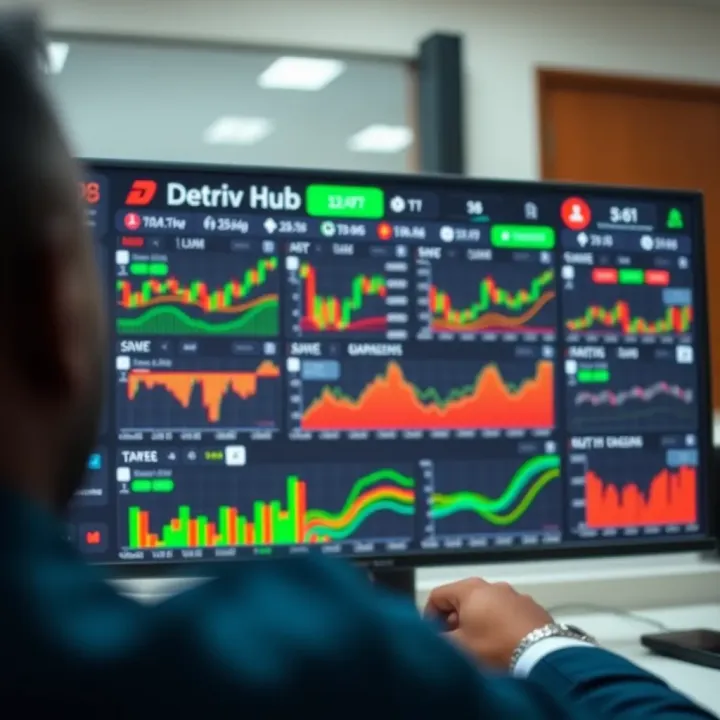
Explore Deriv Hub in Kenya 🇰🇪 with a full guide on account types, security, tools, and risk management for smarter online trading 📈💼
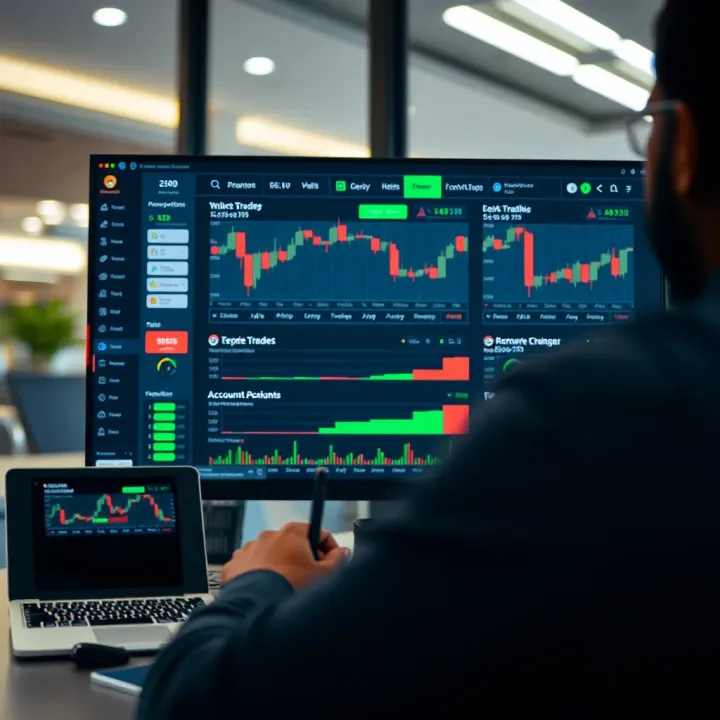
📊 Discover how Deriv Broker works and what Kenyan traders need to know. Get insights on accounts, instruments, regulations, and trading tips for safety.
Based on 12 reviews