
EUR/USD Forecast: Insights for Traders and Businesses
🔍 Explore detailed EUR/USD forecasts tailored for Kenyan traders and businesses. Understand key economic trends, central bank moves, and global impacts for smarter decisions 💼📊
Edited By
Charlotte Hughes
The GBP/USD pair remains one of the most watched currency pairs by Kenyan traders, investors, and businesses involved in trade between Kenya, the UK, and the US. Understanding the factors that influence its movements can make a real difference when making trading or hedging decisions.
Unlike some other pairs, GBP/USD often reflects economic health signals from two of the world's largest economies. For Kenyan businesses importing British goods or exporting to the US market, even small changes in this exchange rate can affect pricing and profitability.
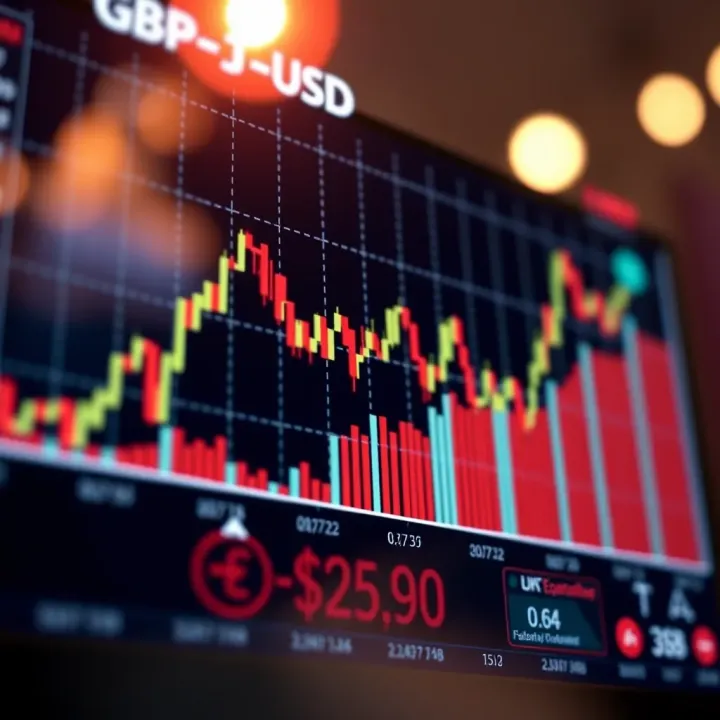
Several elements shape the forecast for GBP/USD. Key UK economic indicators such as GDP growth, Bank of England base rates, and inflation figures directly impact the pound's strength. Meanwhile, US economic data like Federal Reserve policies, employment statistics, and inflation touch the dollar's value.
Global events also play a part. For instance, changes in US-China relations or unexpected geopolitical tensions can drive safe-haven demand for the US dollar, pushing GBP/USD down. On the flip side, positive developments in the UK economy or aligned monetary policy decisions may buoy the pound.
Technical analysis is equally important for timely decisions. Trends and support/resistance levels drawn from daily charts help Kenyan traders spot entry and exit points, avoiding rush decisions based purely on news headlines.
For Kenyan traders focusing on GBP/USD, it’s wise to monitor both UK and US economic calendars closely, and stay alert to any political risks or sudden global shocks that affect currency flow.
In practical terms, using stop-loss orders and setting realistic profit targets based on current volatility can reduce risks. Also, diversifying trading instruments—incorporating options or futures where available—may hedge exposure more effectively.
This article will explore these aspects in more detail, providing Kenyan traders and businesses with clear insights into current trends and what to expect going forward.
Next, we'll break down the main economic indicators from both sides of the Atlantic and their expected influence on GBP/USD movements.
Understanding the GBP/USD currency pair is essential for traders and businesses, especially those in Kenya, who engage in forex trading or international transactions. This pair, representing the value of the British pound (GBP) against the US dollar (USD), is among the most traded currencies globally. Knowledge of its dynamics can directly impact decision-making related to investments, imports, exports, and currency risk management.
The GBP/USD pair is a major player in the forex market, often referred to as the "Cable" due to the historical undersea telegraph cable connecting London and New York for currency quotes. This pair ranks high in daily trading volume, reflecting the strong economies of the UK and the US. Traders worldwide monitor this pair to gauge market sentiment and economic health across these two financial giants.
Movements in GBP/USD signal shifts in global trade, interest rates, and geopolitical events. For instance, when the Bank of England changes its interest rate, it often causes significant volatility in this pair. Knowing how GBP/USD behaves offers traders the chance to capitalise on price swings or protect their holdings against currency risk.
Kenyan firms dealing with the UK and US—whether through imports, exports, or investments—feel the impact of GBP/USD exchange rate fluctuations directly. For example, an exporter shipping Kenyan tea to London will want to track GBP/USD to understand how much they will receive once their payment in pounds converts to Kenyan shillings.
Similarly, Kenyans travelling, studying, or investing in the UK or US must monitor this pair to plan expenses and remittances effectively. Fluctuations can affect the cost of university fees, property investments, or business operations abroad. Understanding GBP/USD aids in hedging strategies and timing transactions to get better exchange rates.
Over the last twelve months, GBP/USD has seen considerable ups and downs, influenced by economic data and policy decisions from both the UK and the US. The pair fluctuated between roughly 1.15 and 1.35, showing how sensitive it is to market sentiment. Such a range can offer profitable trading opportunities but also risks for businesses unsure about future costs and revenues.
Trade tensions, inflation data, and changes in monetary policy often pushed the pound to strengthen or weaken against the dollar. For Kenyan traders, being aware of these movements helps in setting realistic budgets and managing currency exposures.
Several events have recently shifted the GBP/USD rate significantly. Brexit developments continue to cast long shadows on the pound, impacting confidence and investment flows. For instance, any talks hinting at a trade deal or economic friction result in swift reactions in the forex market.
Meanwhile, US federal decisions on interest rates and fiscal stimulus have swayed the dollar's strength. Geopolitical concerns like Middle East tensions and global commodity prices, including oil, indirectly affect GBP/USD. Kenyan traders have seen how such distant factors can influence local prices through this currency pair, emphasising the need for constant market updates.
Kenya-based traders must track both internal and external economic events affecting GBP/USD to navigate the market effectively. Timely awareness can safeguard profits and reduce unexpected losses.
This overview provides the foundation before diving into the economic indicators, technical analysis, and trading strategies relevant for Kenyan stakeholders dealing with the GBP/USD currency pair.

Economic indicators shape the movement of the GBP/USD currency pair more than any other factors. These numbers give traders signals about the health of the UK and US economies, influencing market expectations around currency strength. For Kenyan traders, understanding key economic data is vital when deciding when to trade or hedge in GBP/USD. For instance, a surprise rise in UK inflation may lead to a stronger pound as markets price in interest rate hikes.
Bank of England interest rates play a major role in determining GBP/USD movements. When the Bank of England adjusts its base rate, it sends clear signals on whether borrowing costs will rise or fall. Higher rates generally attract foreign investment, pushing the pound higher against the dollar. For example, in late 2023, when the Bank of England raised rates to curb inflation, the pound gained ground as traders anticipated improved returns.
Conversely, lower rates tend to weaken the pound, as investors seek better yields elsewhere. For Kenyan traders watching GBP/USD, keeping an eye on scheduled Bank of England monetary policy announcements is essential — these often trigger significant price swings.
UK inflation and employment figures provide additional insight into the economy's direction. Rising inflation often pressures the Bank of England to tighten policy, which supports a stronger pound. On the other hand, slowing inflation or weak employment data can delay rate hikes, softening GBP.
For example, the UK's Consumer Price Index (CPI) and unemployment rate released monthly can affect trader sentiment quickly. If inflation is above the Bank of England's 2% target and jobs data shows wage growth, it signals rising inflation risk, increasing demand for GBP in forex markets.
Federal Reserve policies are equally influential on GBP/USD. The US central bank's decisions on interest rates and quantitative easing directly impact the dollar's strength. When the Federal Reserve hikes rates, the dollar typically strengthens, putting downward pressure on GBP/USD.
For example, aggressive rate increases by the Fed to fight inflation can attract portfolio flows to US assets, increasing USD demand. Kenyan traders benefit from watching Fed announcements and dot plots, which reveal future rate expectations. This helps in anticipating GBP/USD trends.
US GDP and unemployment statistics also tell traders how robust the US economy is, influencing the dollar's direction. Strong GDP growth and low unemployment indicate a healthy economy, which usually supports a stronger USD.
For instance, a report showing US GDP growth exceeding expectations while unemployment drops can signal confidence in the dollar, potentially leading to GBP/USD declines. Kenyan traders should track key releases like the US Non-Farm Payrolls to gauge market sentiment.
Staying on top of these economic indicators allows Kenyan traders to better time their entries and exits in the GBP/USD market. Combining these data points with technical analysis provides a clearer edge in forex trading decisions.
Bank of England interest rate decisions
UK inflation (CPI) and employment figures
Federal Reserve monetary policy updates
US GDP growth statistics
US unemployment and payroll data
Understanding these economic signals and their timing can improve your confidence and results when trading GBP/USD from Kenya. Keeping an eye on the data calendar and accompanying market reactions is a solid strategy for both traders and businesses exposed to GBP/USD exchange rate fluctuations.
Technical analysis provides Kenyan traders with practical tools to understand and forecast the movement of the GBP/USD exchange rate. Rather than relying solely on economic news, technical analysis focuses on the price charts, identifying patterns and levels where the price tends to react. This approach is especially useful for short-term traders who want to make timely entry and exit decisions based on observed market behaviour.
Support and resistance levels are price points where the GBP/USD rate has repeatedly stopped moving in one direction and reversed. For example, if the pair struggles to rise above 1.2700 multiple times, that level becomes a resistance barrier. Conversely, a support level might be around 1.2400, where the pair tends to bounce back up after falling. These barriers form because traders collectively place buy or sell orders near these prices, creating temporary floors or ceilings.
Identifying these recent price barriers helps traders to anticipate where price action might stall or reverse. Kenyan traders who keep an eye on these levels can choose to set stop-loss orders just below support or just above resistance to manage risk effectively.
Recognising support and resistance levels influences trade timing and strategy. If GBP/USD approaches a strong resistance level, it might signal a good moment to take profits on long positions or consider opening short trades. On the flip side, if the pair nears support, traders might look for buying opportunities anticipating a rebound.
That said, these levels aren't fixed. A break above resistance can turn it into new support, and vice versa. So, it's essential for Kenyan traders to watch how the price behaves at these levels rather than blindly relying on them. Combining support and resistance analysis with other tools enhances trading accuracy.
Moving averages smooth out price data over a set period, showing the overall trend direction. For instance, a 50-day moving average tracks the average closing price of GBP/USD over the last 50 days. When the price stays above this average, it suggests an upward trend; falling below signals potential declines.
Trend lines connect multiple price lows (uptrend) or highs (downtrend). A well-drawn trend line can act as dynamic support or resistance. Kenyan traders often watch for the price to bounce off these trend lines as confirmation of the trend.
Combining moving averages with trend lines can reveal when the trend might weaken or reverse. For example, if GBP/USD breaks below a rising 50-day moving average and its trend line, it may warn of a possible downward shift.
Certain price formations on charts hint at future GBP/USD moves. Common patterns include "head and shoulders," "double tops/bottoms," and "triangles." A "head and shoulders" pattern often signals a trend reversal, while a "triangle" may indicate a period of consolidation before a breakout.
For example, if GBP/USD forms a "double bottom" near a key support level, it suggests the pair might rise as buyers gain strength. Kenyan traders can use these patterns to time entry points and anticipate price targets.
Paying attention to technical levels and patterns allows traders to make informed decisions, avoiding guesswork and reducing exposure to sudden market swings.
In summary, mastering technical analysis enables Kenyan traders to read market signals on GBP/USD, manage risk wisely, and exploit trading opportunities more confidently.
Global events are a key driver of the GBP/USD exchange rate, shaping how the pair moves in the short and long term. For Kenyan traders and businesses dealing in GBP and USD, staying alert to such events can sharpen decision-making and help manage risks more effectively. Political shifts, fiscal policies, geopolitical tensions, and commodity prices all influence the market sentiment and currency flows.
Brexit-related updates remain significant, even years after the UK's official exit from the European Union. Changes in trade agreements, border controls, or regulatory frameworks can quickly affect the pound's strength. For instance, new customs agreements or disruptions in supply chains could either boost or weaken the GBP. Kenyan importers and exporters trading with the UK should monitor these updates closely to time payments and hedge their currency risk appropriately.
On the other side, US government fiscal policies — including taxation, government spending, and fiscal stimulus packages — play a direct role in shaping the US dollar's performance. When the US government signals increased spending or a new stimulus, the dollar typically strengthens due to expectations of higher economic growth. However, rising fiscal deficits can raise concerns about inflation and debt sustainability, sometimes causing the dollar to weaken. Kenyan traders watching the USD need to assess these signals to predict when the currency might gain or lose ground against the GBP.
Geopolitical risks such as conflicts, trade disputes, or sanctions often lead to heightened market uncertainty. Since both GBP and USD are major safe-haven currencies, such risks can cause sharp swings in their exchange rate. For example, tensions in the Middle East or US-China relations have previously led to rapid USD strengthening. Kenyan investors with exposure to GBP/USD should keep an eye on these developments as they can impact capital flows and volatility.
Additionally, changes in commodity prices influence the GBP/USD pair indirectly. The UK is a net importer of oil and other commodities, so rising commodity prices can increase costs and inflation pressures, weighing on the pound. Conversely, the US dollar can benefit from rising oil prices since the US is a major producer, especially given its energy exports. Kenyan businesses involved in sectors sensitive to oil prices, such as transport or manufacturing, should consider how these price shifts might affect the GBP/USD rate and plan their currency exposure accordingly.
Successful trading or hedging of GBP/USD requires ongoing attention to political shifts and international developments. For Kenyan traders, this awareness can make the difference between saving shillings or losing out due to sudden currency swings.
In summary, paying attention to political changes in the UK and US, alongside broader geopolitical and commodity trends, provides Kenyan traders with practical insights for anticipating movements in the GBP/USD exchange rate. This can inform better timing for trades, payments, and risk management strategies.
This section is vital for Kenyan traders who want practical, hands-on advice to navigate the complex GBP/USD market. It covers manageable steps to protect investments, minimise losses, and make better-informed decisions. Whether you are a forex trader or a business owner dealing with British pounds, these tips help reduce uncertainty and improve financial outcomes.
Setting stop-loss levels is one of the simplest yet most effective ways to limit losses in volatile markets like GBP/USD. This tool automatically closes your trade once the exchange rate moves beyond a certain point, preventing deeper financial damage if the market suddenly swings against your position. For example, if you bought GBP at 1.30 USD but want to cap losses at 1.28, setting a stop-loss at 1.28 protects your capital from sharper declines.
This approach ensures you don’t have to constantly watch the market and can trade with greater peace of mind. It’s especially useful given how unexpected events—like UK inflation reports or US Federal Reserve statements—can cause rapid shifts.
Diversifying trades and positions means not putting all your funds into just one type of trade or exposure. For Kenyan traders, this can involve spreading investments across different currency pairs, trade durations, or using various trading strategies. For instance, alongside GBP/USD, you might trade EUR/USD or USD/JPY to balance risk.
By diversifying, you reduce the impact of a poor move in any single currency pair. Even businesses that rely on GBP payments can diversify by timing their transactions differently or hedging with forward contracts and options.
Hedging currency exposure protects your business from unpredictable exchange rate swings that could eat into profits. Kenyan importers or exporters dealing with the UK benefit by locking in an exchange rate now to avoid paying more later. For example, a Nairobi-based firm expecting to receive GBP payments may enter a hedging contract to convert at a fixed rate, bypassing losses if the pound weakens against the US dollar or Kenyan shilling.
This practice ensures budget stability and avoids surprises, especially when negotiating contracts or planning cash flows.
Timing payments and receipts in GBP effectively means choosing the right moments for currency exchanges to save costs. Kenyan businesses that must pay UK suppliers or receive payments can watch forecasts and market signals to delay or expedite transactions.
For instance, if forecasts show the pound weakening, a business might delay paying a GBP invoice until rates improve, saving KSh costs. Conversely, if the pound is expected to rise, arranging early payment can avoid higher future expenses.
Proper risk management and informed timing help Kenyan traders and businesses safeguard their finances against the ups and downs of the GBP/USD exchange rate, making trading or dealing in pounds a smarter, less risky activity.
By following these tips, you enhance your chances of success whether trading forex or managing business currency needs in Kenya.
🔍 Explore detailed EUR/USD forecasts tailored for Kenyan traders and businesses. Understand key economic trends, central bank moves, and global impacts for smarter decisions 💼📊
📈 Discover how Kenyan traders can use TradingView to analyse local markets, set up M-Pesa payments, and enhance trading decisions with practical tips and tools.
📈 Explore OlympTrade's features, accounts, and trading types. Learn how Kenyan traders can register, deposit with M-Pesa, stay safe, and trade smartly on this platform.
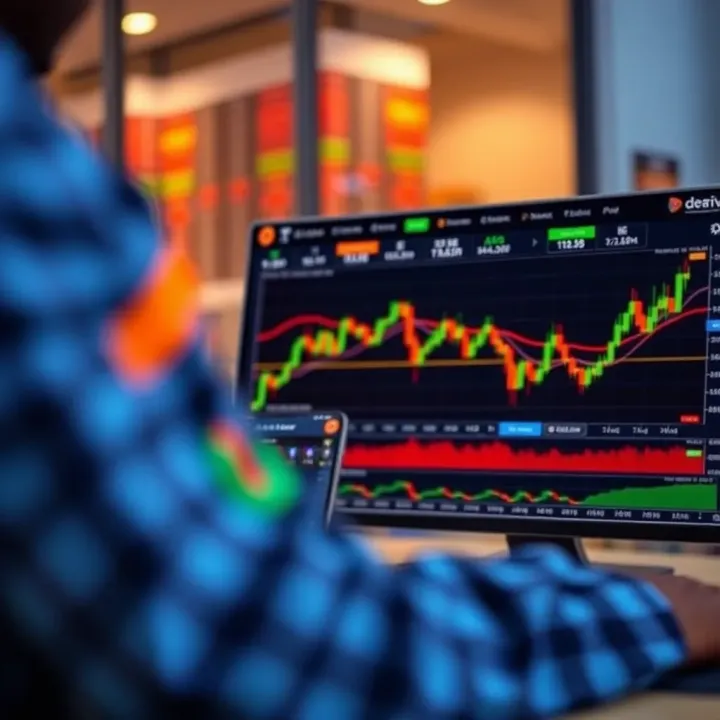
Explore Deriv.com for Kenyan traders 🇰🇪! Learn about accounts, tools, security, depositing, and tips for safe, smooth online trading experience.
Based on 13 reviews