
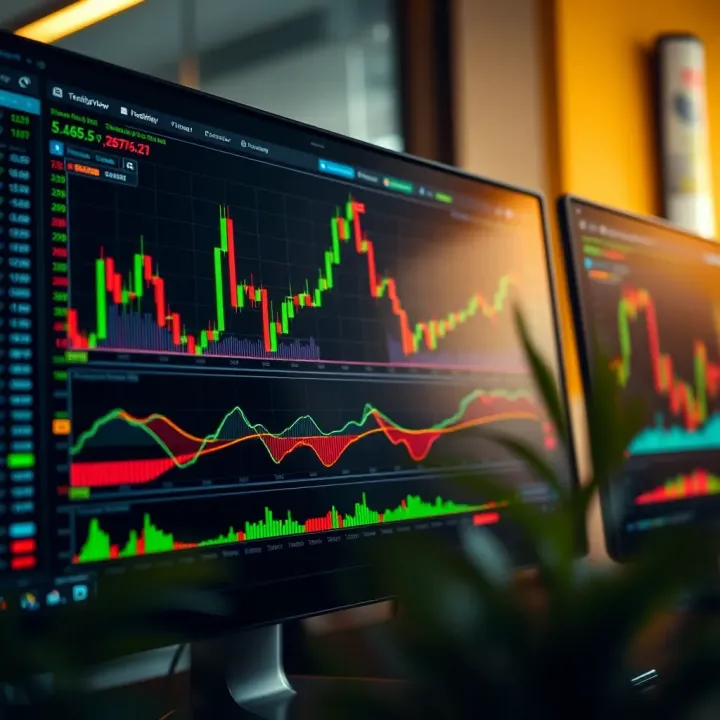
TradingView Charts Guide for Kenyan Traders
📊 Discover how to use TradingView charts like a pro! Learn about chart types, key indicators, and smart tools to boost your trading success in Kenya. 📈
Edited By
Jessica Palmer
TradingView is a handy online tool for traders and investors to follow financial markets using real-time charts and a wide range of technical indicators. For Kenyan traders, it offers a practical way to analyse assets not just in global markets but also in Kenya’s local stock market and currencies.
With TradingView, you can easily track NSE (Nairobi Securities Exchange) equities, US dollar to Kenyan shilling (USD/KES) forex pairs, and even commodities relevant to Kenya's economy like crude oil and coffee. This means you get a clearer picture of how different markets move and how they might influence each other.
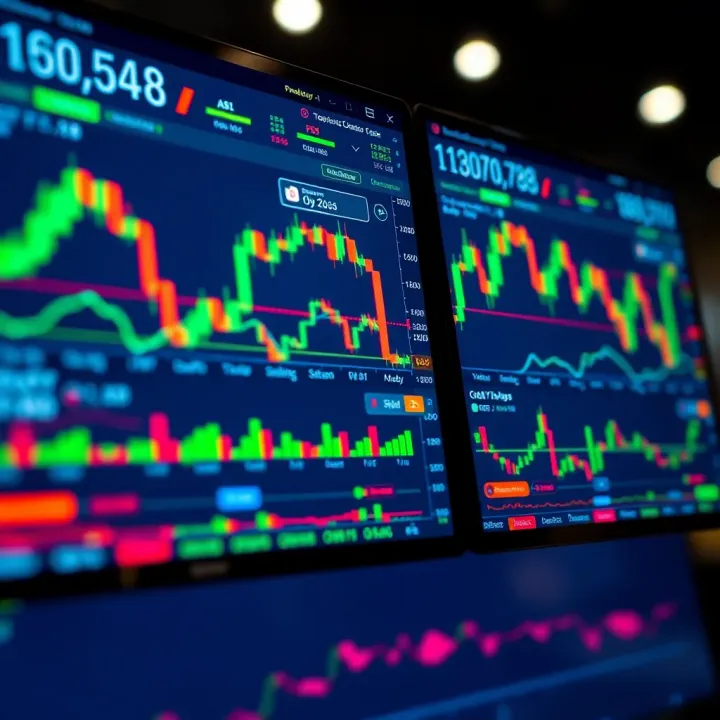
Setting up TradingView is straightforward. Once you register an account, you can customise your workspace to focus on specific stocks, indices, or forex pairs. The platform allows you to apply various charting tools such as candlestick patterns, moving averages, Relative Strength Index (RSI), and Bollinger Bands, which help identify trends and potential trade entry or exit points.
For Kenyan traders, combining TradingView’s charts with local market knowledge can notably improve trading decisions and timing.
Another useful feature is the social interaction aspect, where you can follow other traders’ ideas or share your own insights. This creates a community feel, similar to a trading floor but accessible from your phone or computer anywhere.
Practical use also involves integrating M-Pesa for payments if you opt for TradingView’s paid subscriptions. While the platform primarily accepts credit cards or PayPal internationally, many Kenyan brokers or signal providers offer payment options linked with M-Pesa. This integration makes it easier to pay for premium charting features or trading tools without needing international payment cards.
In summary, TradingView is not just for forex or international stocks — Kenyan traders can fully utilise it for NSE equities, forex, and commodity markets. With clear charts, rich technical tools, and a trader community, it provides an accessible way to elevate your trading strategy in Kenya’s market environment.
TradingView plays an important role as a versatile platform that Kenyan traders can use to improve their market strategies. It combines advanced charting, real-time data, and a community of traders, making it practical for different market types. This section explains its key offerings and why understanding them can help traders make smarter decisions.
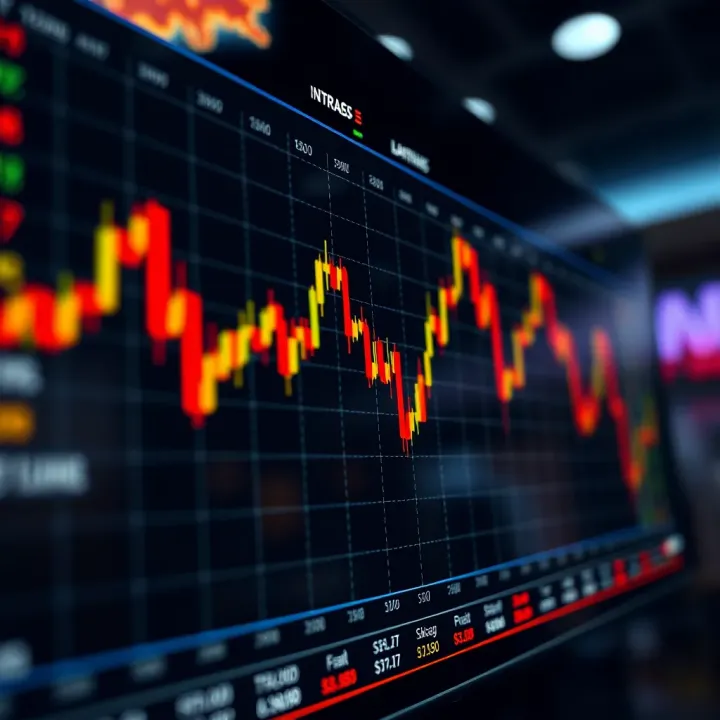
Charts and technical analysis tools provide traders with visual insights into market behaviour. Kenyan traders can use different chart types such as candlestick, line, and bar charts to track price movements of securities traded on the Nairobi Securities Exchange (NSE). Applying technical indicators like Moving Averages or the Relative Strength Index (RSI) helps identify trends and possible entry or exit points.
Beyond basic charts, TradingView has drawing tools that allow users to mark trend lines, support, and resistance levels. This is crucial in planning trades, especially given the volatility often seen in NSE stocks during earnings seasons or political events.
Real-time market data access ensures that traders do not miss out on timely information. For example, getting live updates on NSE 20 Kenya Index prices or Forex pairs like USD/KES allows swift response to market movements. This real-time feed is vital during high-impact news releases such as Central Bank of Kenya statements on monetary policy.
Having access to current market data alongside past trends enables Kenyan traders to base decisions on accurate and updated information, reducing reliance on delayed reports that could affect profitability.
Community-driven trade ideas and discussions bring a social dimension to TradingView. Traders can follow local experts who share analysis relevant to Kenyan market conditions, such as the effects of upcoming elections or weather on agricultural commodities.
This interaction also helps novices learn from seasoned traders by seeing practical applications of different strategies. The feature to publish charts and receive feedback builds confidence and sharpens trading skills over time.
Equities and indices coverage includes major global and local stocks. Kenyan traders can monitor NSE-listed companies like Safaricom, KCB Bank, or Equity Group along with indices like NSE 25 or NSE All Share. This broad coverage supports portfolio diversification and sectoral analysis.
Traders get the chance to compare Kenyan stocks’ performance with global peers easily without juggling multiple platforms.
Forex and cryptocurrencies markets on TradingView offer real-time charts for currency pairs and popular digital coins. Kenyan traders often follow USD/KES and EUR/KES pairs due to import-export needs and travel costs.
Cryptocurrency charts for Bitcoin, Ethereum, and others support the rising interest in crypto trading and investment among Kenyan youths and tech-savvy entrepreneurs.
Commodities and futures include essential products like coffee, tea, and oil. Kenya’s economy significantly depends on agricultural exports, making commodity price tracking useful for traders or firms hedging against market risks.
Futures trading on TradingView can help investors plan for future price movements or manage exposure to fluctuating global prices that affect local producers.

TradingView provides a one-stop platform where Kenyan traders can access diverse markets, up-to-date data, and a collaborative trading community. Understanding these services is the first step towards making informed investment decisions.
Setting up TradingView correctly is a key step for Kenyan traders who want to make the most of this platform. Since TradingView offers a huge range of data and tools, getting your account and charts tailored to Kenyan markets will save you time and help you focus on what's important — local equities, indices, and market hours. Without proper setup, you might miss crucial trading signals or get lost in irrelevant data.
TradingView offers both free and paid plans, which suit different trader needs. The free plan allows access to basic charting features, a limited number of technical indicators and alerts, and delays on some market data. For a casual trader tracking NSE (Nairobi Securities Exchange) stocks or forex, this may be enough to start. However, active traders or those wanting to analyse multiple charts simultaneously will benefit from paid subscriptions, like the Pro or Pro+ plans. These unlock more indicators, extra alerts, multiple device sign-ins, and real-time data access that can be very useful when reacting to fast-moving markets.
When choosing a plan, consider your trading style and frequency. For example, a day trader tracking NSE futures will likely need faster, more comprehensive data and updates than a long-term investor.
Kenyan traders will find it especially convenient that TradingView supports local payment options, including M-Pesa. This mobile money service is widely used across Kenya for online payments, making subscription payments seamless and quick. Simply link your M-Pesa number to your account, and you can renew subscriptions without fuss. This removes the common hurdle of relying on international credit cards or complex bank transfers. Besides, the platform also accepts payments through PayPal and credit cards if you prefer those methods.
Once your account is active, it's essential to customise your charts for Kenyan markets. Adding NSE equities and indices to your watchlist allows you to track the companies and benchmarks that matter directly. For example, you can load Safaricom Ltd shares or the NSE 20 Index to start monitoring price movements and volume real-time. Setting up these assets properly means you won’t waste time searching each trading day.
Another practical feature is setting alerts aligned with Kenyan market hours. The NSE operates mainly from 9:30 am to 3 pm EAT (East Africa Time) on weekdays, with breaks for lunch. By tailoring alerts for price levels, volume spikes, or technical indicator signals during these hours, you can avoid unnecessary notifications outside trading hours and stay focused. For instance, you can set an alert to notify you when Equity Bank share price crosses a resistance level just before market close.
Customising TradingView to match local market conditions allows Kenyan traders to streamline their monitoring and make timely decisions based on relevant data.
With these setups, TradingView becomes a practical tool rather than an overwhelming data dump, helping you trade smarter within the Kenyan market context.
Effective market analysis is vital for Kenyan traders aiming to make sound trading decisions. TradingView provides tools that simplify this process, offering clear visuals and data-driven indicators tailored to local realities. Using these tools helps traders spot trends, assess market strength, and plan entry and exit points more confidently.
Technical indicators like moving averages and the Relative Strength Index (RSI) play a significant role in the NSE trading environment. Moving averages smooth out price data to identify the overall market direction. For instance, a 50-day moving average crossing above the 200-day moving average often signals a bullish trend for NSE-listed companies such as Safaricom or Equity Bank. This helps traders know when to buy or hold.
RSI complements this by measuring momentum, showing if a stock is overbought or oversold. If Safaricom's RSI rises above 70, it suggests the stock may be due for a pullback—a useful cue to avoid buying at a peak. On the other hand, an RSI below 30 might indicate a good buying opportunity, as the stock could be undervalued.
Volume analysis adds another layer by revealing the strength behind price moves. In the NSE, volume spikes often accompany corporate news or government policy announcements impacting sectors like banking or energy. For example, when KPLC announces a new tariff, a surge in trading volume combined with rising stock prices confirms strong market interest. Monitoring volume helps you avoid false breakouts and better predict price action.
Drawing trend lines and marking support or resistance levels lets you visualise price ceilings and floors. For example, tracking the support line on Kenya Airways’ stock price might reveal repeated bounces off a certain level, signalling a reliable buying zone. Likewise, resistance levels around KCB shares that the price fails to break indicate areas to consider selling or tightening stop-loss orders.
Marking key economic events on charts is especially useful for Kenyan traders because local market moves often react to scheduled events like CBK monetary policy announcements or Kenya National Bureau of Statistics GDP reports. A clear note on the calendar within TradingView can prevent surprises and help prepare strategies in advance. For example, anticipating the impact of an inflation report might prompt you to adjust your exposure to government bonds or financial stocks.
Using these tools thoughtfully gives Kenyan traders clearer insight, allowing better timing and risk management in markets that can be volatile and news-sensitive.
By combining technical indicators with deliberate chart annotations, you build a solid framework to navigate the NSE and other local markets with more confidence and precision.
TradingView’s social features offer Kenyan traders a practical way to connect with like-minded individuals, learn from experienced market players, and grow their trading skills. By tapping into a global network of traders, users gain fresh perspectives and stay updated on current trends. This community-driven aspect adds a layer of real-time interaction that charts and technical tools alone can’t provide.
Following local and global traders allows Kenyan users to watch how experienced traders position themselves on different markets. For example, traders focusing on NSE equities or forex might share chart setups and reasons behind their strategies. This real-world insight helps novices and mid-level traders avoid common pitfalls by understanding market sentiment and timing better.
Moreover, following global traders widens the scope beyond local assets, giving ideas on commodities like coffee or gold, which are relevant to Kenyan investors. This exposure also encourages learning about macroeconomic events affecting markets worldwide, which tend to ripple back to Kenya’s trading environment.
Joining Kenya-focused trading groups on TradingView creates an environment where traders discuss issues specifically affecting the local market. You might find groups sharing thoughts on NSE liquidity, regulatory changes by the Capital Markets Authority (CMA), or upcoming events affecting sectors like banking or agriculture.
Participation in these groups means you get updates quickly, exchange strategies adapted to local circumstances, and access peer support. This is especially helpful during volatile periods when market moves can be swift and unpredictable. Kenyan traders can also meet mentors or arrange informal webinars.
Publishing charts and strategies on TradingView benefits Kenyan traders by inviting constructive dialogue and sharpening their skills. When you post your analysis, such as a breakdown of Safaricom’s price movements using RSI and volume indicators, you not only clarify your thinking but also make space for others to challenge or affirm your approach.
This active sharing builds a digital track record of your trading style and thought process. It encourages discipline, as you become accountable to an audience. At the same time, your contributions can help other traders, creating a supportive learning loop.
Receiving feedback and building credibility through comments and likes on your posts can accelerate personal growth in trading. Feedback may point out missed risks or opportunities, offering new angles to your analysis. Over time, if your trade ideas prove accurate, you earn respect and trust within the community.
Such credibility matters if you want to collaborate with other traders, offer paid tutorials, or attract clients as a financial advisor. Even small local networks within the platform can turn into valuable business connections or partnerships.
Engaging actively with TradingView’s social features integrates analysis and networking, empowering Kenyan traders to improve their market decisions while staying connected to a broader trading community.
By using these social tools wisely, traders not only enhance their own strategies but contribute to building a stronger trading culture in Kenya’s fast-growing markets.
Using TradingView effectively means blending its powerful tools with local trading realities in Kenya. This integration is vital for traders who want to make informed decisions without relying solely on generic data or foreign market cues. Kenyan markets, particularly the Nairobi Securities Exchange (NSE), have unique trading patterns and risk factors. By adapting TradingView insights to fit these conditions, traders can improve entry and exit timing, better manage risks, and align strategies with local economic events.
Kenyan traders can link their TradingView analysis directly to local brokerage platforms for smoother trade execution on the NSE. While TradingView itself doesn't execute trades, it supports integration with brokers' platforms through alerts and signals. For instance, after spotting a breakout on a Safaricom share chart, a trader can place the order immediately through brokers like Nairobi Securities Exchange (NSE) member firms such as Faida Investment Bank or Egyptian Kenya Securities.
This connection saves time and reduces errors. Traders use TradingView's visual data to decide when to buy or sell, then act on the insight promptly via their brokerage app or terminal. This direct link is especially handy in fast-moving situations where delays could cost you potential profits or increase losses.
Combining TradingView signals with up-to-date Kenyan market news strengthens trader decisions further. Local markets can react sharply to events like central bank announcements, political developments, or county-level regulatory changes. Keeping an eye on Kenyan news sources alongside TradingView helps contextualise technical signals. For example, a sudden drop in banking stocks on TradingView might coincide with reported policy changes from the Central Bank of Kenya (CBK). This combined awareness prevents traders from relying solely on charts and prepares them to respond to unfolding local conditions.
Setting stop losses using TradingView alerts is a straightforward method to manage risk. Traders can set automatic alerts at specific price levels, which notify them when a stock hits a potential loss threshold. For example, if KCB Group's share price falls below a support level identified on TradingView, the trader gets an alert to consider exiting the position. Integrating stop losses through alerts helps avoid emotional decisions and limits losses, especially when markets move unexpectedly during NSE trading hours.
Adapting to NSE liquidity and volatility is essential for effective risk management. Compared to larger international markets, some NSE stocks may have lower liquidity, meaning trades might not execute instantly or at expected prices. TradingView helps by highlighting volume patterns and trend strength, allowing traders to avoid thinly traded shares or time their trades during active market hours. Kenyan traders should also expect periods of higher volatility around quarterly earnings reports or government budget announcements — TradingView’s tools help spot these swings, so you’re not caught off guard.
Tip: Always cross-verify TradingView alerts with current NSE market activity and local news to ensure your strategy fits the live market pulse.
Integrating TradingView insights into Kenyan trading routines brings technical analysis closer to local realities. It helps traders become more responsive, disciplined, and informed in their decision-making. This practical approach can lead to better trade execution, improved risk control, and ultimately, more profitable outcomes in the Kenyan market.
📊 Discover how to use TradingView charts like a pro! Learn about chart types, key indicators, and smart tools to boost your trading success in Kenya. 📈
Explore tailored forex courses for Kenyan traders 🇰🇪. Learn key trading topics, pick the right course, and start smart trading with local insights and practical tips.
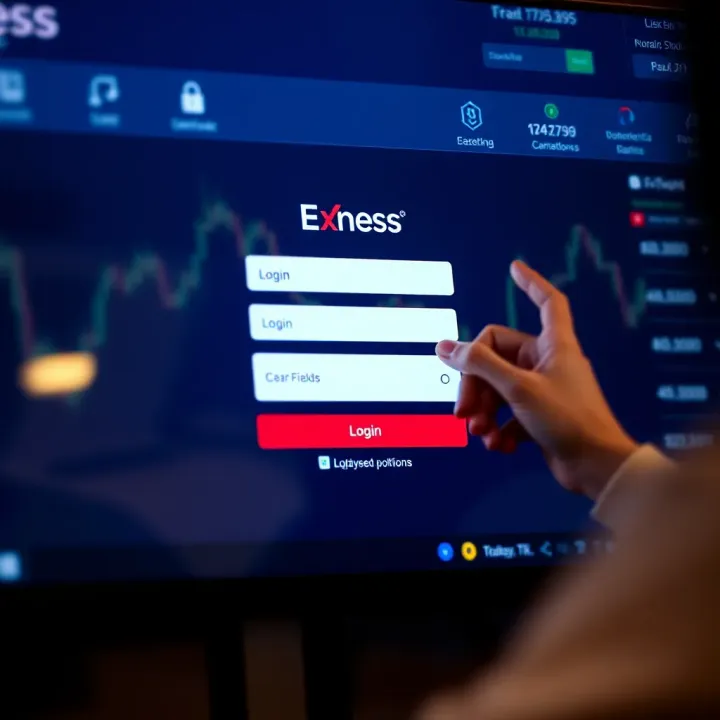
🔐 Learn how Kenyan traders can log in to Exness easily, fix common issues, secure accounts, and use key features for a smooth trading experience on the platform.
Explore how binary options trading works in Kenya 📊, learn key strategies, understand risks, and get tips for smarter trading decisions.
Based on 12 reviews