

Understanding Demo Trading Accounts in Kenya
Learn how to use demo trading accounts effectively 🇰🇪. Practice trading in Kenya without risk, master strategies, and prepare to trade live with confidence 📈💡.
Edited By
Isabella Ward
A trading account is the gateway for Kenyans looking to actively participate in the stock market. Without it, buying shares, bonds, or unit trusts directly is impossible. Many new investors often confuse trading accounts with regular bank accounts, but they serve a different purpose entirely.
Think of a trading account as your brokerage platform’s personal space where all your buying and selling activity happens. It’s linked to your settlement account, often a bank account, where money moves in and out as you make trades.
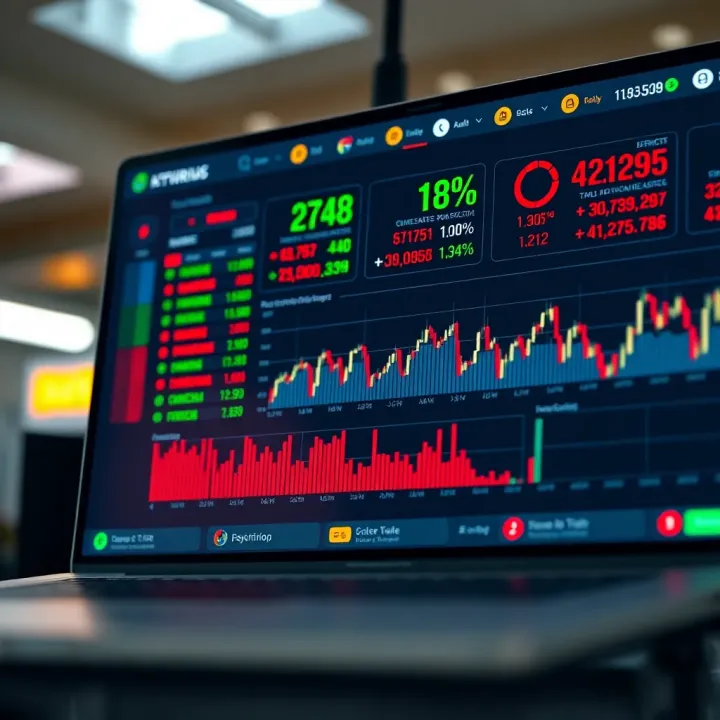
Opening a trading account in Kenya is relatively straightforward, but understanding the key features matters a lot. You need to be comfortable navigating the Nairobi Securities Exchange (NSE) and understand the brokerage’s fees, deposit methods, and trading tools provided.
"A good trading account aligns with your investing goals, whether you are looking to make quick trades or hold stocks for years to come."
Shares listed on the NSE like Safaricom, KCB, or Equity Bank
Government bonds and treasury bills
Exchange-traded funds (ETFs)
Some platforms now allow trading international stocks and commodities
Each asset type might require different minimums or supporting documents. In Kenya, most brokers will require you to provide your KRA PIN certificate and a valid ID to comply with regulations.
Direct market access: You can buy or sell anytime during trading hours without middlemen
Real-time updates: Most platforms offer dashboards showing live prices, market news, and portfolio performance
Cost efficiency: Digital platforms reduce transaction costs versus traditional manual trades
Records and reports: Automated statements make tax time easier, especially for those filing returns via iTax
If you are just getting started, many brokers in Kenya offer demo accounts. These allow you to practise trading with virtual money before risking real cash. It’s a handy way to familiarise yourself with market orders, stop-loss settings, and price charts.
Choosing the right trading account comes down to your experience, the fees charged by the brokerage, and the trading tools they provide. Later sections will cover what to look for when selecting a platform in Kenya to make the best choice for your investment strategy.
Understanding what a trading account is and how it operates forms the foundation for anyone keen to invest or trade on the securities market in Kenya. It’s the gateway to buying and selling shares, bonds, and other financial products, directly impacting your investment outcomes. Knowing how these accounts work can help you avoid common pitfalls and make smarter decisions.
A trading account is simply an account that you open with a brokerage firm to buy and sell shares or other financial instruments on the Nairobi Securities Exchange (NSE) or other related platforms. When you want to buy shares of Safaricom or KCB Group, for example, your order goes through your trading account. You can also trade government bonds, unit trusts, or exchange-traded funds (ETFs) using the same account.
Unlike a bank account where you deposit money for safekeeping, a trading account links your money to specific trades. You need to fund it with sufficient cash before you can buy any assets. When you sell those assets, the proceeds are credited back into the trading account.
On the other hand, a trading account differs from an investment account in subtle but important ways. An investment account often refers to a longer-term hold, focusing on buying and holding assets such as shares or bonds with the expectation of earning dividends or interest over time. A trading account, meanwhile, is designed for more active buying and selling, sometimes daily, seeking to profit from short-term price movements. In Kenya, many investors use a trading account for both purposes, but understanding the nuances helps tailor your strategy according to your goals.
In Kenya, trading accounts operate through licensed brokers, who act as intermediaries connecting you to the NSE. These brokers provide access to trading platforms—either online or physical offices—where you place orders. The NSE regulates the market, ensuring proper disclosures and protecting investors against unfair practices.
The broker carries out your buy or sell instructions and settles transactions on your behalf. For example, if you buy 100 shares of Equity Bank, the broker ensures the shares are credited to your Central Depository System (CDS) account, which is linked to your trading account.
Brokers are essential facilitators; without them, individuals cannot directly trade on the NSE.
A key practical point for Kenyan investors is the link between your trading account and your Kenya Revenue Authority (KRA) Personal Identification Number (PIN) and iTax registration. The KRA PIN is necessary for tax compliance on capital gains and dividends. When opening a trading account, brokers verify your KRA details and ensure your tax-related information is up to date. This integration helps the government track taxable transactions, ensuring you meet tax obligations on earnings through your trading account.
In sum, knowing how a trading account works in Kenya—its relationship with brokers, the NSE, and tax authorities like KRA—is crucial for any investor hoping to transact confidently in the stock market.
Opening a trading account in Kenya is a straightforward but crucial process that sets the foundation for your investment activities. Knowing the exact steps helps avoid delays and ensures compliance with Kenya's regulatory requirements. This section covers the essential documents you need and how to pick the right brokerage to get you started efficiently.
Providing a valid National ID or passport is mandatory when opening a trading account. This helps brokers verify your identity and comply with anti-money laundering laws. For example, a Kenyan citizen will present their National ID, while a foreigner might use a passport. Without proper ID, the broker won’t proceed with account creation.
The Kenya Revenue Authority (KRA) Personal Identification Number (PIN) is another key document. Every investor must have a KRA PIN for tax purposes, as gains from trading are subject to capital gains tax. When registering, brokers cross-check your KRA details through iTax to confirm tax compliance, ensuring you’re eligible to trade and declare income appropriately.

Brokers require a proof of address to confirm your residence. This can be a recent utility bill, bank statement, or tenancy agreement not older than three months. This document helps protect against fraudulent accounts and ties your trading activity to a specific location inside Kenya or abroad, as required by regulations.
Always choose a broker licensed by the Capital Markets Authority (CMA) to guarantee your investments are protected. Licensed brokers follow strict rules on transparency, security, and client fund segregation. For instance, brokers like Nairobi Securities Exchange (NSE) member firms have CMA approval, which safeguards investors from unscrupulous practices.
Many brokers offer options to register for trading accounts online or at physical offices. Online registration is faster and more convenient, especially for busy investors in cities like Nairobi or Mombasa. However, some may prefer visiting a branch to get direct assistance, particularly if new to share trading. Either way, the essential documents must still be submitted.
Once your account is active, funding it is your next step. Brokers usually accept deposits via bank transfers, M-Pesa, or cheque deposits. Some platforms allow linking to mobile wallets for instant funding – a practical feature for those outside major urban centres. Remember to confirm minimum deposit amounts; some brokers require KSh 10,000 or more to start trading.
Opening your trading account with the right documents and a reliable broker not only enables access to the Nairobi Securities Exchange but also anchors your trading activities in the legal framework, helping you avoid pitfalls.
Getting these steps right means you’re all set to trade confidently and smoothly in Kenya’s stock market, whether starting small or scaling up your investments.
Choosing the right trading account matters because it shapes how you invest, the costs you incur, and the assets you can handle. In Kenya, understanding the key features of trading accounts helps you manage expectations and align your strategies with your financial goals. These accounts come in different forms, mainly cash accounts and margin accounts, each suited for different types of investors. Plus, you need to know the types of assets available to trade through your account to pick what fits your risk appetite and ambition.
A cash account is straightforward— you trade using the money you’ve deposited. If you want to buy shares worth KSh 50,000, you must have that amount in your account. On the other hand, a margin account lets you borrow money from your broker to buy more shares than your cash balance allows. If your broker offers 50% margin, you can buy KSh 100,000 worth of shares by using KSh 50,000 of your own and borrowing the rest. This boosts your buying power but demands caution.
Margin trading works by letting you leverage your investments to potentially gain higher returns. However, it also means your losses amplify if the market turns against you. The broker may issue a margin call, asking you to add more funds or sell some assets if your account value drops below the required level, exposing you to forced sales and losses.
The benefits of margin accounts include access to larger positions and the chance for higher profits, especially when you spot a good investment opportunity but lack enough cash. Yet, the risks are significant: increased exposure means losses can pile up quickly, and you could owe more than your initial investment. Many local investors avoid margin trading until they grasp the risks fully.
Equities (shares) represent ownership in companies listed on the Nairobi Securities Exchange (NSE). Buying shares means you become a partial owner and can earn dividends if the company declares them. Shares also fluctuate in price, offering opportunities for capital gains. For example, investing in Safaricom shares has rewarded patient investors, as the company remains a market leader in Kenya's telecom sector.
Bonds and fixed income are loans you give to companies or the government in return for fixed interest payments over a certain period. These are generally safer than shares and are preferred by investors wanting steady income. For instance, you might invest in Treasury bonds issued by the Kenyan government that pay interest semi-annually, providing a predictable cash flow.
Unit trusts and ETFs (Exchange-Traded Funds) pool money from many investors to buy a diversified portfolio of assets, managed by professionals. Unit trusts suit those who prefer a hands-off approach, while ETFs trade like shares, offering flexibility with diversification. Buying a unit trust that invests in Nairobi real estate or an ETF tracking NSE 20 stock index spreads your risk, making it easier to handle market ups and downs.
Picking the right trading account type and understanding available assets equips you to invest smartly. Whether you prefer steady returns or higher-risk opportunities, knowing these details guides your choices and prepares you for Kenyan market realities.
Choosing the right trading account is more than just picking any brokerage. It has real effects on how much you earn, how easily you trade, and how safe your money is. There are several factors you need to weigh before committing, ranging from the fees charged to the quality of the trading platform and customer support. Understanding these helps you avoid surprise costs and trading frustration.
Trading fees per transaction are what brokers charge every time you buy or sell shares or other securities. In Kenya, some brokers may charge a flat fee, say KSh 100 per trade, while others take a percentage of the trade value, commonly around 0.1% to 0.25%. If you trade frequently, these fees add up quickly, so checking fee structures before opening an account saves you unnecessary expenses. For example, a trader who buys and sells shares daily at KSh 50,000 per trade must weigh whether paying 0.2% per trade is better than a flat fee of KSh 150.
Account maintenance and inactivity fees are other charges to watch. Some brokers charge monthly or annual fees simply for holding your account, regardless of trading activity. Others apply fees if you remain inactive for months. Such fees can slowly erode your investment gains, especially if you trade sporadically or are just starting out. It's wise to ask whether your chosen broker charges these fees and under what conditions so you can plan accordingly.
Ease of use and accessibility is key. Many Kenyans prefer mobile-friendly platforms due to high mobile penetration and on-the-go lifestyles. A user interface that's straightforward helps reduce mistakes— no one wants to fumble while placing orders. For instance, platforms like Safaricom's M-Akiba make bond trading simple even for newcomers. Also, consider whether the platform works well on low data connections, as this matters outside Nairobi's major towns.
Research and analytical tools available can give you an edge in making informed decisions. Good platforms offer live market data, price charts, news updates, and sometimes expert advice or stock screeners. Brokers like Nairobi Securities Exchange (NSE) member firms often provide these tools, allowing you to analyse stocks or ETFs before committing your money. Without these, you might be flying blind in volatile markets.
Support channels and responsiveness are vital when your trades or technical issues need urgent attention. Access to phone, email, or live chat support can save you from costly delays. Some brokers provide dedicated account managers to guide you through complex trades or regulatory issues. In the Kenyan context, choosing a broker with reliable customer service means fewer headaches when the market is moving fast or when you face account queries.
Data protection and online security cannot be overlooked. Your trading account handles sensitive personal and financial data, so brokerage firms must use robust encryption and two-factor authentication, among other security measures. Incidents of cybercrime are on the rise globally and Kenya is no exception. Picking a broker who clearly explains their security policies helps protect your investment and personal information against fraud or hacking.
Review these factors carefully. The right trading account will suit your trading style, budget, and expectations for service quality. Taking time here is as important as picking the right investments.
Having a trading account opens the door to active participation in Kenya’s stock market, offering both opportunities and challenges. Understanding these benefits and risks helps investors make informed decisions and manage their portfolios wisely.
A trading account gives you access to a variety of assets on the Nairobi Securities Exchange (NSE), including shares of companies, bonds, and exchange-traded funds (ETFs). This diversity allows you to spread your investments and reduce risk. For instance, you can buy shares in Safaricom, invest in government infrastructure bonds, or diversify with unit trusts. Such options are especially valuable for Kenyan investors looking to balance long-term growth with safer income streams.
With a trading account, you can respond swiftly to price movements or news affecting the market. For example, if the Central Bank announces a change in the base rate, share prices in banking stocks may move sharply. Being able to buy or sell shares immediately can help you protect gains or limit losses. This agility is vital in markets influenced by both local factors, like election cycles, and global trends, such as oil price changes.
The NSE can be quite volatile, with share prices fluctuating due to economic news, company performance, or geopolitical events. For example, during the 2022 general election, uncertainty led to swings in stock prices. This volatility means you could lose part or all of your investment if the market moves against your position. Being prepared for such swings and not investing money you can't afford to lose is key.
Trading involves fees that chip away at your profits. Brokers charge commission on each trade, sometimes ranging from 0.1% to 0.3% per transaction. Additionally, there can be account maintenance fees and charges for inactive accounts. For small investors, these costs may significantly reduce net gains, especially if you trade frequently without substantial profits. Always factor in these expenses when planning your trading strategy.
If your trading account supports margin trading, you can borrow funds to buy more shares than your cash balance allows. While this can amplify gains, it equally magnifies losses. If your investments lose value, the broker may issue a margin call, requiring you to add more funds or sell assets at a loss. Kenyan investors should be cautious with margin accounts, ensuring they understand the borrowing risks and have a solid plan to manage margin requirements.
Understanding the balance between potential rewards and risks helps you trade smarter and protect your hard-earned money.
A trading account is an effective tool, but it requires discipline and awareness of costs, market behaviour, and borrowing risks to make the most of its benefits.
Effectively managing your trading account is key to making the most of your investments on the Nairobi Securities Exchange. Without regular attention, even a well-opened account can underperform or expose you to unnecessary risks. This section outlines practical steps to keep your trading activities aligned with your financial goals, minimise costs, and respond to market changes.
Before you place your first trade, clarify whether your focus is short-term gains or long-term growth. For example, a trader aiming to profit from fluctuations in Blue Chip stocks over weeks needs active monitoring and quick decisions. On the other hand, someone investing in East African Breweries Limited (EABL) for dividends and capital appreciation over years takes a more patient approach. Setting this distinction helps you choose the right assets and time your trades appropriately.
Knowing how much risk you can tolerate protects you from panic decisions when markets wobble. Suppose you are risk-averse; you may avoid margin trading or volatile stocks like Safaricom during uncertain times, keeping more of your savings intact. Conversely, if you’re comfortable with risk, you might allocate some funds for aggressive growth stocks or short-selling. Understanding your risk profile ensures your trading choices match your comfort level and financial capacity.
Keep tabs on how each investment performs and how much fees eat into your profits. For instance, if your broker charges KSh 100 per trade plus a 1% maintenance fee, frequent small trades may erode your gains. Using tools provided by brokers or the NSE website can simplify tracking your portfolio’s growth, dividends, and costs. Regular reviews identify underperforming stocks or costly fees you can cut.
Markets in Kenya and the region don’t stay static. Political events, rainfall patterns affecting agricultural exports, or currency shifts against the US dollar impact stock prices. You might hold shares in a bank that performs well in stable times but underperforms during economic downturns. Being ready to sell or buy more shares in response to such changes helps protect your investments or seize new opportunities. Reacting without delay can mean the difference between profit and loss.
Managing your trading account isn’t a one-time task but an ongoing commitment. Staying focused, organised, and informed positions you for success on the Nairobi Securities Exchange.
Making your trading account work well requires clear planning, monitoring, and timely action. These habits keep you in control and ready for whatever Nairobi’s market throws your way.
Learn how to use demo trading accounts effectively 🇰🇪. Practice trading in Kenya without risk, master strategies, and prepare to trade live with confidence 📈💡.

📈 Learn how to open and manage forex trading accounts in Kenya. Discover types, broker tips, risks, and strategies to trade confidently in the Kenyan market.
📈 Learn how derivative trading works in Kenya, the types, benefits, risks, and steps to start trading confidently on Nairobi Securities Exchange with local regulations.
Learn how margin works in forex trading 🇰🇪, its risks, margin requirements, and managing leverage safely to trade confidently in Kenya's dynamic forex market.
Based on 9 reviews