
How to Trade Forex on Deriv: A Kenyan Guide
📈 Discover how to trade forex on Deriv with a step-by-step guide for Kenyan traders. Learn account setup, platform features, forex pairs, plus smart strategies!
Edited By
Oliver Hastings
Forex trading, or foreign exchange trading, involves buying and selling currencies to make a profit based on their changing values. In Kenya, this market has grown popular because it offers a way to earn extra income outside traditional jobs. However, successful trading requires understanding how the forex market works and knowing the local trade environment.
The forex market runs 24 hours, five days a week, as it operates across different time zones globally. Kenyan traders usually find the London and New York sessions particularly active, with plenty of trading opportunities before and after regular business hours.
Getting started means familiarising yourself with currency pairs, like USD/KES (US Dollar to Kenyan Shilling) or EUR/USD (Euro to US Dollar). Each pair shows how much one currency is worth compared to another. For example, if USD/KES is 110, that means one US Dollar costs 110 Kenyan Shillings. Traders watch these numbers closely, aiming to buy low and sell high.
Local payment options play a big role in Kenya’s forex scene. Many brokers accept deposits and withdrawals through M-Pesa, providing easy access to funds without complicated bank transfers. This convenience helps Kenyans participate comfortably without worrying about international payment hurdles.
Tip: Always choose regulated forex brokers who comply with Kenya’s Capital Markets Authority rules. This ensures your money is safe and your trading activities stay legal.
Besides platform choice and currency knowledge, learning how to manage risks, such as knowing when to limit losses, is essential. Using leverage—borrowed money from brokers—can increase profits but also magnify losses. So, understanding leverage and setting limits protects your capital.
In summary, trading forex in Kenya blends global currency markets with unique local factors like M-Pesa payments and regulatory requirements. Savvy traders combine solid market basics with local knowledge to improve their chances of success.
Understanding the basics of forex trading is the first step to making informed decisions and successfully navigating the currency markets. It gives you the foundation to recognise how currencies move, how trades are influenced, and what factors to watch out for when trading from Kenya. Without this core knowledge, even the best strategies might not yield the desired results.
The foreign exchange market, or forex, is where currencies from different countries are bought and sold. It’s the largest financial market globally, with daily trading volumes exceeding $6 trillion. In practical terms, forex trading involves exchanging one currency for another, often to profit from fluctuations in their relative values.
For example, as a Kenyan trader, you might buy the US dollar against the Kenyan shilling (USD/KES) if you expect the dollar to strengthen. The forex market operates entirely electronically over-the-counter (OTC), so trades are executed through networks of banks, brokers, and other financial institutions rather than a physical exchange.
Currency exchange works through the simultaneous buying of one currency and selling of another, expressed as a currency pair. The value of these pairs constantly fluctuates due to supply and demand, economic news, geopolitical events, and other factors. Traders aim to buy at a lower price and sell at a higher price, or vice versa, depending on their market outlook.
Currency pairs show the value of one currency relative to another. For instance, in the pair EUR/USD, the first currency (EUR) is the base, and the second (USD) is the quote. If EUR/USD is 1.1000, it means 1 euro costs 1.1000 US dollars. Understanding pairs is crucial because you trade one currency against another — not in isolation.
Bid and ask prices represent the prices at which the market is willing to buy or sell a currency pair. The bid price is what buyers pay, while the ask is what sellers receive. The difference between these two prices is known as the spread. For example, if USD/KES has a bid of 110.50 and ask of 110.55, the spread is 0.05 KSh.
Pips stand for ‘‘percentage in point’’ and measure the smallest price movement in a currency pair, often the fourth decimal place (0.0001). The spread is also measured in pips and affects trading costs. A lower spread means cheaper transactions. Since spreads can vary widely depending on the broker and currency pair, Kenyan traders should compare them carefully to avoid unnecessary costs.
The forex market operates 24 hours daily during weekdays because of different global time zones and major trading centres. The main sessions include:
Tokyo session (Asian): Opens at 12 am EAT
London session (European): Opens at 10 am EAT
New York session (American): Opens at 3 pm EAT
Each session has its own characteristics, volume, and volatility. For Kenyan traders, the London session often overlaps with the Tokyo and New York sessions, creating periods of high activity.
Markets are usually most active when sessions overlap, such as the London-New York overlap between 3 pm and 6 pm EAT. This activity increases liquidity and can lead to tighter spreads and more trading opportunities. However, it can also mean increased volatility, so it’s vital to manage risks carefully during these times.
Knowing when the forex market is most active helps you plan your trades strategically, ensuring better pricing and execution.
Understanding these basics about forex trading is your foundation. It arms you with the knowledge to interpret market data, choose the right currency pairs, and decide when to enter or exit trades efficiently from Kenya.
Starting forex trading in Kenya involves more than just picking a currency pair and clicking buy or sell. This step lays the foundation for your trading journey and can significantly influence your chances of success. The process includes selecting a reliable trading platform, opening a trading account with a regulated broker, and funding that account through convenient local methods. Doing these properly helps you avoid common pitfalls such as fraud and delays, which Kenyan traders often face.
Several trading platforms are popular among Kenyan forex traders, such as MetaTrader 4 (MT4), MetaTrader 5 (MT5), and cTrader. These platforms offer user-friendly interfaces and a range of analytical tools that help traders make informed decisions. For instance, MT4 is widely praised for its customisable charts and automated trading features, which many Kenyan traders use to execute trades swiftly during Nairobi’s active market hours.
When selecting a platform, you should consider features like real-time market data, ease of depositing and withdrawing funds, and the availability of mobile apps. Many Kenyan traders appreciate platforms that integrate easily with M-Pesa for seamless transactions. Additionally, platforms offering good educational resources and customer support tailored to Kenyan users stand out.
It’s advisable to use brokers regulated by reputable authorities such as the Capital Markets Authority (CMA) Kenya or those internationally recognised like the FCA (UK) or ASIC (Australia). Regulated brokers add a layer of security and ensure adherence to fair trading practices. Kenyan traders should verify broker licensing to protect their investments from scams, a concern that unfortunately still affects some newcomers.
Opening an account typically requires submitting identification documents like a national ID or passport, proof of residence (such as a utility bill), and sometimes information about your trading experience or financial status. Brokers need to verify these to comply with Know Your Customer (KYC) regulations. For instance, a Kenyan trader might upload scanned copies of their ID and a recent electricity bill through the broker’s eCitizen-compatible portal during registration.
Convenient payment methods are crucial for Kenyan traders, and many brokers now accept local options like M-Pesa alongside bank transfers and credit cards. Using M-Pesa for deposits is popular because it is fast, secure, and widely accessible, even in towns outside Nairobi. Some brokers support Lipa Na M-Pesa, which simplifies transactions further by eliminating the need for a till or paybill number.
Regarding withdrawals, the process should be straightforward and timely. Kenyan traders should select brokers who release profit withdrawals quickly, ideally within 24 to 48 hours, and support direct transfers back to M-Pesa or local bank accounts. Clear communication about withdrawal policies, possible fees, and timelines helps avoid frustration and keeps your trading running smoothly.
Starting right with a reliable platform, a regulated broker, and local payment options like M-Pesa can set you up to trade forex confidently and securely in Kenya.
By taking these initial steps seriously, Kenyan forex traders build a strong base to handle market volatility and capitalise on trading opportunities with minimal distractions.
Successful forex trading in Kenya depends greatly on having the right strategies and tools at your disposal. These help you navigate the volatile market, make informed decisions, and protect your capital. Whether you are a newbie or an experienced trader, understanding common trading methods, technical and fundamental analysis, plus risk management, will sharpen your edge and improve your chances of consistent profits.
Day trading and scalping are popular for those who want fast-paced action and quick returns. Day traders open and close positions within the same day to benefit from small price movements. Scalping takes this further by making multiple trades, often lasting only minutes or seconds. For example, a Kenyan trader might scalp the USD/KES pair during Nairobi’s active morning hours, taking advantage of sudden price spikes influenced by local economic data or market sentiment.
By contrast, swing trading and position trading involve holding trades over several days or even weeks. Swing traders look to capture medium-term price swings with technical indicators helping to time entries and exits. Position traders take an even longer view, basing their decisions largely on strong fundamental trends. A swing trader in Kenya could profit from currency moves sparked by anticipated CBK announcements or regional trade updates, while a position trader might hold USD/EUR trades based on broad interest rate divergences.
Key technical indicators like moving averages, Relative Strength Index (RSI), and Fibonacci retracements guide traders to spot potential trend changes or entry points. For example, a Kenyan trader might use a 50-day moving average crossover to confirm a trend before entering a trade on the GBP/USD pair. These indicators provide a framework to read price charts beyond just guessing, offering more confidence and clarity.
Economic news and reports directly impact currency values. Announcements such as US non-farm payrolls, Kenyan GDP figures, or inflation rates can cause sharp market moves. Staying updated with a reliable economic calendar helps Kenyan traders anticipate volatility. For instance, if Kenya’s inflation rises sharply, it usually strengthens the Kenyan shilling (KSh) due to expected central bank action, influencing forex positions accordingly.
Stop loss and take profit orders are essential tools that help manage your money by automatically closing trades at pre-set levels. Stop losses prevent bigger-than-expected losses during sudden market swings, while take profit orders lock in gains without needing constant monitoring. A trader using M-Pesa on a mobile platform can comfortably set these orders to run trades securely even while on the go.
Managing leverage responsibly is crucial. While leverage magnifies profits, it also increases potential losses. Given the fast movements in forex, Kenyan traders should opt for lower leverage ratios compatible with their risk tolerance. For example, rather than using 1:500 leverage, starting with 1:30 or 1:50 provides a safer cushion and helps avoid wiping out one’s trading capital too quickly.
Remember, mastering trading strategies, analysis methods, and risk controls is a continuous process. Keeping discipline and refining your approach will serve you well in Kenya’s forex environment.
Trading forex from Kenya comes with specific concerns that can impact success and security. Understanding local regulations and how Kenya’s currency shifts affect your trades helps you navigate the market more confidently. These local factors shield you from common pitfalls and help you use available tools more effectively.
The Capital Markets Authority (CMA) Kenya oversees forex trading licences and broker regulation. Its role is to protect traders by ensuring brokers operate fairly, transparently, and with enough capital. When you trade with a CMA-regulated broker, you reduce the risk of fraud and course manipulation. For example, brokers registered with CMA must follow set guidelines on client fund segregation, reporting, and dispute resolution.
To check if a broker is regulated, visit the CMA website and look for their official list of licensed forex brokers. Never rely solely on a broker’s website claims, as some fraudulent firms mimic regulatory status. You can also contact CMA directly to verify any doubts. Sticking to regulated brokers is a practical step to avoid losing money to scams or unstable companies.
The Kenyan Shilling (KSh) can fluctuate due to changes in the economy, government policies, or global demand for forex. Since forex trading usually involves foreign currencies like the US dollar or euro, shifts in KSh rates affect your account value and profits. For instance, if the KSh weakens against the dollar, a profit made in USD could translate to more Kenyan shillings when converted. However, the reverse can also lessen your returns.
To manage currency conversion risks, use stable forex brokers offering accounts in multiple currencies. You may keep profits in USD or euros instead of converting immediately to KSh. Alternatively, set alerts to track exchange rate changes and convert when rates favour you. Some traders use M-Pesa-linked bank accounts and transfer funds during steadier periods to reduce losses. These strategies limit surprises from rate swings and help protect your earnings locally.
Being aware of Kenya-specific regulations and currency realities gives you an edge. It keeps your trading honest and buffers you against unpredictable exchange rate movements.
Verify your broker’s CMA licence to stay safe.
Monitor KSh fluctuations closely to time your conversions well.
Use multi-currency accounts or local mobile money services like M-Pesa for flexible fund handling.
These local considerations integrate your trading within Kenya’s financial landscape, making your forex venture smarter and more secure.
For Kenyan forex traders, practical tips are crucial in navigating the complexities of the market while minimising risks. Given the unique challenges local traders face — such as currency fluctuations, regulatory concerns, and payment options like M-Pesa — having hands-on advice can boost your chances of trading successfully. These tips go beyond theory, helping you avoid common pitfalls and build solid trading habits.
Kenya’s forex market, though growing, has its share of unregulated brokers and scams. The Capital Markets Authority (CMA) oversees legitimate brokers, so always verify that your broker is listed and licensed by CMA. This lowers the chance of falling victim to fraud or losing your funds. For instance, some traders have reported being unable to withdraw their money or facing manipulative practices from shady brokers operating without a licence.
Scams often promise unrealistic returns or pressure you to deposit large sums quickly. Stay cautious and avoid brokers that lack transparency or do not provide clear contact information. Using CMA-regulated brokers ensures your money is safer and disputes can be addressed legally.
Before risking actual shillings, use demo accounts extensively. These free accounts mimic live trading using virtual money, allowing you to practise strategies and get familiar with the trading platform. Demo accounts help Kenyan traders learn how to place orders, set stop losses, and monitor market movements without financial risk.
For example, you could try out different trading strategies for weeks or months on a demo account and assess which fits your style best. Many Kenyan traders skip this step and jump into live trading unprepared, often losing money quickly. Using a demo account first builds confidence and sharpens your skills.
A common mistake is trading without a proper record of your decisions and results. Keeping a trading journal helps you track trades, reasons for entry and exit, profits or losses, and emotions during trading. This self-review reduces repeated errors and improves your strategy.
Say you lost KSh 10,000 following news about US dollar changes; your journal might reveal that you ignored your stop loss due to panic. Being honest and consistent with journaling sharpens your awareness and discipline, critical traits for long-term success.
Many beginners expect quick riches in forex, but setting achievable goals is more sustainable. Aim for steady gains that fit your available capital rather than chasing huge returns overnight. For instance, targeting 5-10% growth monthly is better than risking everything for unrealistic profits.
Realistic goals help manage emotional swings and prevent chasing losses recklessly. They keep your trading in check, allowing steady progress and reducing burnout.
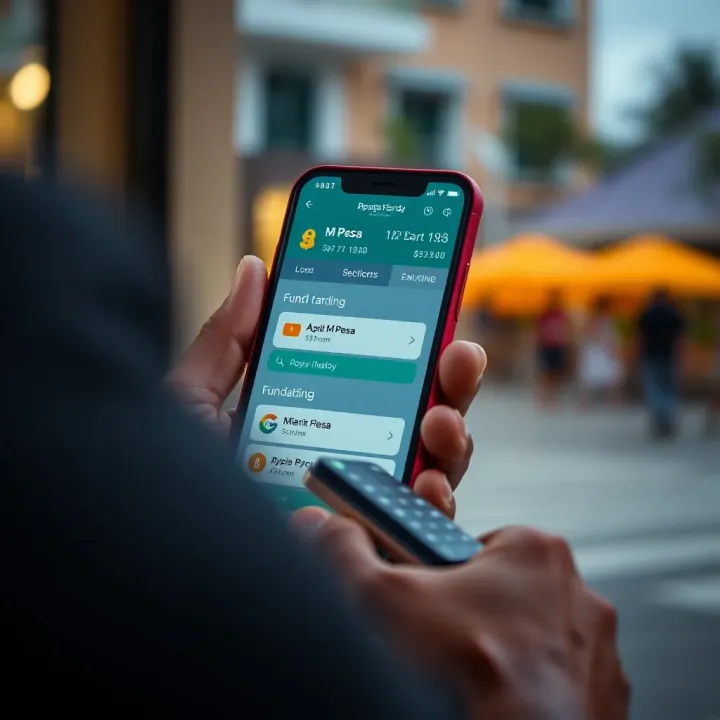
M-Pesa and other mobile money platforms simplify funding your forex accounts and withdrawing profits. Many Kenyan brokers accept M-Pesa deposits, making transfers fast and convenient without needing a bank account. This accessibility opens forex trading to a wider audience.
For example, you can deposit KSh 5,000 via M-Pesa directly into your trading account within minutes. Also, withdrawing your earnings back to M-Pesa is often smoother than traditional bank wires, especially if you’re in smaller towns.
Forex trading profits are taxable under Kenya Revenue Authority (KRA) regulations. Profits from forex count as income and should be declared in your annual tax returns. Failure to report may attract penalties.
Keep detailed records of your trades and gains to simplify tax filing. Consulting a tax expert familiar with forex trading in Kenya can help you plan better. For instance, losses from trading can sometimes offset profits, reducing your taxable income. Understanding these aspects ensures you stay compliant while maximising your after-tax returns.
Staying disciplined, cautious, and informed about local tools and regulations can make trading forex in Kenya less daunting and more rewarding.
📈 Discover how to trade forex on Deriv with a step-by-step guide for Kenyan traders. Learn account setup, platform features, forex pairs, plus smart strategies!
Learn to trade cryptocurrency in Kenya safely 🚀. Discover how to pick platforms, fund accounts via M-Pesa, follow regulations, and manage risks with Bitcoin & Ethereum.

Learn how forex trading works in Kenya 🇰🇪, explore market drivers, key terms, risks, and practical tips to start trading wisely and manage your KSh finances effectively.
📈 Explore binary trade basics, key markets, risks, and Kenyan regulations. Get practical tips for safe, simple trading to enhance your financial skills today.
Based on 6 reviews