
TradingView Guide for Kenyan Traders
📈 Discover how Kenyan traders can use TradingView to analyse local markets, set up M-Pesa payments, and enhance trading decisions with practical tips and tools.
Edited By
Charlotte Hughes
TradingView.com has become a go-to platform for traders around the world, including many in Kenya. It offers a user-friendly interface packed with interactive charts, real-time data, and a wide range of technical analysis tools. Whether you are a beginner trying to understand price movements or an experienced trader looking for precise market insights, TradingView provides resources that can help improve your trading decisions.
One key advantage for Kenyan traders is the platform’s ability to integrate data from both local and global markets. You can easily access Nairobi Securities Exchange (NSE) stocks alongside major indexes like the NYSE or FTSE. This mix allows you to spot opportunities both at home and abroad without switching platforms.
Setting up TradingView is straightforward. After creating a free account, you can customise the dashboard to include your preferred instruments, such as Safaricom shares or forex pairs like USD/KES. The platform works on web and mobile, meaning you can follow trades whether you are at the duka or on the matatu.
Tip: Use the watchlist feature to organise your key assets and receive alerts when prices hit specific levels. This helps you stay updated without staring at charts all day.
Technical analysis on TradingView covers common tools like moving averages, RSI (Relative Strength Index), and Bollinger Bands. You can also experiment with community-built indicators shared publicly on the platform. For Kenyan traders, combining these tools with an understanding of local market news can reduce risk and increase profits.
To sum up, TradingView.com offers a comprehensive toolkit accessible from any device, helping Kenyan traders act fast and stay informed. Throughout this guide, you will find practical tips on navigating the platform, applying technical indicators, and syncing your trading with Kenyan financial realities like M-Pesa payments and NSE market hours.
TradingView.com has become a key resource for traders worldwide, including those in Kenya. Its importance lies in providing interactive charts, real-time market data, and analytical tools all in one place. For Kenyan traders, whether dealing with stocks, forex, or commodities, TradingView offers a level of access and insight that was previously hard to find locally.
TradingView provides an all-in-one trading platform that combines real-time charts, technical indicators, and social networking. It's more than just a charting tool—traders can customise views, set price alerts, and even create their own indicators. This flexibility allows Kenyan traders to adapt the platform to local markets like the Nairobi Securities Exchange or forex pairs relevant to the shilling.
The platform attracts both beginners and professional traders. Kenyan investors, financial analysts, and even entrepreneurs exploring trading opportunities rely on TradingView for market insights. Its user base includes day traders looking for quick setups and long-term investors wanting to track portfolio performance effectively.
Despite its international audience, TradingView understands local market nuances. It covers major global exchanges but also offers data relevant to Nairobi’s NSE, regional forex pairs such as USD/KES, and commodities like tea and coffee that interest Kenyan traders. This blend makes it a valuable tool, bridging global trends and local investment needs.
TradingView’s design is intuitive, which helps Kenyan users navigate with ease, even if they are new to online trading tools. Features like drag-and-drop charts and clear menus mean less time struggling and more focus on market analysis. This simplicity benefits traders who often juggle other jobs or businesses alongside trading.
Having current market data is crucial for timely decisions. TradingView offers real-time quotes for NSE stocks and forex, ensuring traders don’t miss critical moves. For example, a trader tracking Safaricom’s shares can see live price changes and volume, reacting quickly to market conditions, which can make the difference between profit and loss.
One standout feature is the built-in social community. Kenyan traders can follow experienced peers, share trading ideas, and learn from others’ strategies. This social aspect turns the platform into a learning hub, especially useful where formal trading education is limited. It also fosters a sense of connection, helping dealers avoid working in isolation.
Using TradingView equips Kenyan traders with tools and information that simplify trading, deepen market understanding, and connect them to a broader trading community, improving both skills and outcomes.
Before diving into analysis on TradingView, setting up your account correctly is key to a smooth trading experience. Having a well-organised dashboard and understanding navigation helps you make quicker, more informed decisions without wasting time hunting for tools or fiddling with settings. Kenyan traders, who often juggle multiple income streams or trade during off-hours, will particularly benefit from an efficient setup.
TradingView offers both free and paid subscription plans. The free plan is quite generous, letting you access basic charting tools and up to three indicators per chart. This is useful for beginners or traders focusing on a couple of markets, such as NSE shares or forex pairs like USD/KES. However, it limits you on how many charts you can use at once and restricts access to advanced features.
Paid plans — Pro, Pro+, and Premium — unlock more indicators, allow multiple charts per layout, and provide alerts that update in real time. For instance, if you prefer to track NSE equities alongside commodity prices like coffee and gold, a paid plan can save you from flipping between screens constantly. These subscriptions come at different monthly or yearly rates, so you can pick one according to your trading frequency and budget.
The choice depends on the complexity of your trading strategy. Casual traders might stick to the free or Pro plan to access essential tools without overspending. Active Kenyan day traders or analysts working with intraday data usually find Pro+ or Premium plans worth the cost, due to added flexibility and faster alert systems.
You should also consider whether you need features like ad-free experience or the option to set unlimited alerts. For example, a swing trader following trends on several NSE stocks may find multiple layouts and more detailed indicators helpful in timing entry and exit points.
The heart of TradingView is its charting interface. It supports real-time data, including NSE stocks and forex pairs popular in Kenya, like EUR/KES. You can choose from chart types such as candlestick or line charts that best suit your analysis style. Kenyan traders often use candlesticks because they clearly show price movements during Nairobi’s trading hours.
Charts are highly interactive: you can zoom, scroll, and apply indicators like RSI or MACD with just a few clicks. Being comfortable with these basic controls ensures you don’t miss out on spotting signals during volatile market moments.
TradingView lets you create custom workspaces — personalised dashboard setups that can hold multiple charts and tools side by side. This is particularly handy if you track NSE stocks alongside forex or commodities; you can view all these markets at once without switching tabs.
You can save several layouts for different trading styles or markets. For instance, you might have one workspace for intraday forex trading and another for long-term stock investing. Workspaces enable you to stay organised and focus on what matters at the right time.
To avoid rebuilding your charts from scratch every day, TradingView allows you to save your chart setups and indicator configurations. Save your preferred layouts, alerts, and drawings so that when you log in, you pick straight from where you left off.
Managing these saved setups means you can experiment with new strategies without losing your core templates. In practice, this helps Kenyan traders react fast, especially during key NSE market hours or when government policy announcements influence markets.
A well-setup TradingView account isn't just about convenience — it enhances your trading speed and confidence, which can directly impact your success in Kenya’s dynamic markets.
Using technical analysis tools on TradingView is vital for Kenyan traders who want to make informed decisions based on price movements and market trends. These tools help you identify potential entry and exit points, manage risks, and better understand market behaviour across various assets, from NSE stocks to forex pairs like USD/KES. Practical application of these tools can sharpen your trading strategy and boost confidence.
Candlestick and Line Charts offer distinct advantages to traders. Candlestick charts provide detailed information on price action, including opening, closing, highs and lows for specific periods—this helps spot patterns such as bullish engulfing or doji candlesticks, which signal possible reversals. Line charts, on the other hand, show the closing prices over time, giving a simpler overview of the trend direction without clutter. For Kenyan traders focusing on NSE equity trends or forex pairs, candlestick charts are often preferable because they reveal market sentiment clearly.
Popular Indicators like RSI and MACD help you gauge momentum and trend strength. The Relative Strength Index (RSI) signals overbought or oversold conditions, which can be handy for timing when to buy or sell. For instance, an RSI above 70 might suggest a stock like Safaricom Ltd is overbought and due for a correction. The Moving Average Convergence Divergence (MACD) indicator tracks changes in momentum and can confirm trend reversals or continuations. By combining RSI with MACD, Kenyan traders gain a better edge when dealing with volatile markets.
Using Drawing Tools for Trendlines and Patterns is another essential technique. Trendlines connect prices over time to highlight support and resistance levels, guiding decisions on when prices might bounce or break through key levels. Patterns like head and shoulders or triangles often foreshadow significant moves. Practically, drawing trendlines on NSE stocks or forex charts can help you anticipate changes, especially during Nairobi’s busy trading hours.
Setting Price Alerts on TradingView lets you track crucial price points without staring at screens all day. For example, you might set an alert for the USD/KES pair hitting 115, so you don’t miss a buying opportunity. Alerts can be sent via email or app notifications, ensuring timely action.
Building Your Own Indicators can suit traders with specific strategies. TradingView’s Pine Script allows custom coding of indicators tailored to your style, such as a moving average crossover adapted to NSE market rhythms. This flexibility lets Kenyan traders refine tools rather than relying solely on default settings.
Strategies for Better Trade Timing combine indicator signals with alerts and chart patterns. For example, you could wait for a bullish MACD crossover along with a low RSI reading before entering a trade. Using multiple confirmation points reduces risks, especially in volatile markets like forex. Kenyan traders who master this blend of tools tend to react to market changes more strategically, improving overall returns.
Leveraging technical analysis tools on TradingView empowers you to make smarter trades, minimise guesswork, and adapt quickly to market shifts prevalent in Kenya’s dynamic trading environment.
This practical approach to applying indicators, setting alerts, and customising strategies ensures that you maximise TradingView’s features in a way that fits your unique trading goals and Kenyan market conditions.
Integrating Kenyan market data with TradingView is essential for local traders who want real-time insights on assets that matter directly to their portfolios. Accurate data for Nairobi Securities Exchange (NSE) stocks, relevant currency pairs, and key commodities gives Kenyan investors the tools to make timely and informed choices. Equally important is the ability to handle payments and subscriptions using familiar local methods like M-Pesa and bank cards. This integration removes friction, helping traders focus on strategies rather than worrying about payment hurdles.
TradingView allows Kenyan traders to track live prices, volumes, and historical performance of NSE-listed stocks such as Safaricom, Equity Group, and KCB Group. Access to local equities data means you can analyse market trends and sector movements that affect the Kenyan economy. For example, if inflation fears rise, you can see how banking shares respond and adjust your position accordingly.
Kenyan traders often deal with currency pairs involving the Kenyan shilling (KES) such as USD/KES and EUR/KES. TradingView provides access to these pairs, enabling forex traders and businesses managing foreign exchange risk to monitor fluctuations easily. For instance, exporters can track KES strength against the US dollar to decide the best time to convert their earnings.
Commodities like tea, coffee, and maize play a significant role in Kenya’s economy and financial markets. TradingView users can watch international benchmarks tied to these goods such as coffee futures or maize prices, helping farmers and traders anticipate market movements. If global coffee prices spike, Kenyan exporters and investors can react swiftly to maximise profits or hedge risks.
TradingView supports payments through common methods including bank cards and mobile money like M-Pesa. This flexibility makes subscribing straightforward without needing international credit cards, which can be a hurdle for many Kenyans. M-Pesa payments, in particular, fit seamlessly into everyday financial habits and provide instant confirmation, keeping your TradingView access uninterrupted.
While TradingView prices are listed in US dollars, Kenyan traders should convert costs into shillings to budget accurately. Subscription plans vary, so knowing the equivalent KSh amount helps prevent surprises from currency fluctuations. For instance, a Pro plan costing $15 monthly may range between KS,800 and KS,000 depending on the dollar rate, so planning ahead ensures smooth renewals.
TradingView offers simple renewal options, either auto-renewal or manual payment. For Kenyan users, it is key to keep track of subscription status through your TradingView account or payment provider. Cancellation is straightforward but requires awareness of the billing cycle to avoid being charged for an unwanted period. Staying alert ensures you pay only for the time you use.
Access to Kenyan market data combined with convenient local payment methods makes TradingView a practical platform for traders in Kenya. It keeps tools and payments relevant and hassle-free.
This integration empowers Kenyan traders and investors to stay connected with markets that matter most while managing costs and payments in familiar ways.
TradingView adapts well to different trading approaches, making it a handy tool whether you flip stocks within minutes or hold shares for years. Knowing how to align its features with your trading style can improve decision-making and outcomes.
For day traders who thrive on rapid moves, TradingView offers real-time data and lightning-fast chart updates. Features like one-click trade execution and customizable alerts for price levels or volatility shifts help react swiftly. Imagine a forex trader in Nairobi waiting to exploit a sudden shift in the USD/KES rate—fast alerts let them jump in before the window closes.
Swing traders, who keep positions for days or weeks, benefit from TradingView’s in-depth technical indicators such as Moving Averages and the Relative Strength Index (RSI). These help spot trends or reversals over a medium timeframe. For example, a trader holding Safaricom shares might use the 50-day moving average to decide when to lighten or add to their position, catching trends without obsessing over every tick.
Long-term investors can use TradingView’s fundamental analysis features alongside charting tools to evaluate companies listed on the Nairobi Securities Exchange (NSE). Fundamental data like earnings reports or dividend yields combine with price trends to guide portfolio construction. For instance, an investor building a diversified portfolio of NSE stocks like Equity Bank, KCB, and EABL can track long-term performance and decide when to rebalance.
TradingView’s social platform lets you follow seasoned traders sharing their setups and insights. Observing how professionals analyse chart patterns or react to market news offers a live learning experience. This peer-to-peer approach can be especially useful for Kenyan traders seeking local context, where valuing community knowledge runs deep.
There are dedicated Kenyan groups within TradingView where traders discuss NSE stocks, forex pairs like USD/KES, and commodities such as tea or coffee prices. Joining these communities helps share tips and stay updated on market events affecting Kenya’s economy directly. The collective knowledge often provides angle points missing in global conversations.
TradingView hosts educational materials that cover everything from beginner chart basics to advanced indicators. Many Kenyan traders benefit from these webinars which explain platform features and trading concepts in accessible language. Regularly attending tutorials or workshops, whether live or recorded, can sharpen skills and improve trade timing.
Using TradingView to match your trading style with the right tools and community support makes trading less guesswork and more strategy.
TradingView’s flexibility ensures Kenyan traders—from quick day traders in Nairobi’s CBD to long-term investors across the counties—can use it effectively to navigate their markets.
📈 Discover how Kenyan traders can use TradingView to analyse local markets, set up M-Pesa payments, and enhance trading decisions with practical tips and tools.
📈 Discover how Kenyan traders can use Tradingview.deriv.com for real-time market data, smooth trading, and smart decisions. Get tips to thrive in Kenya’s market! 🇰🇪
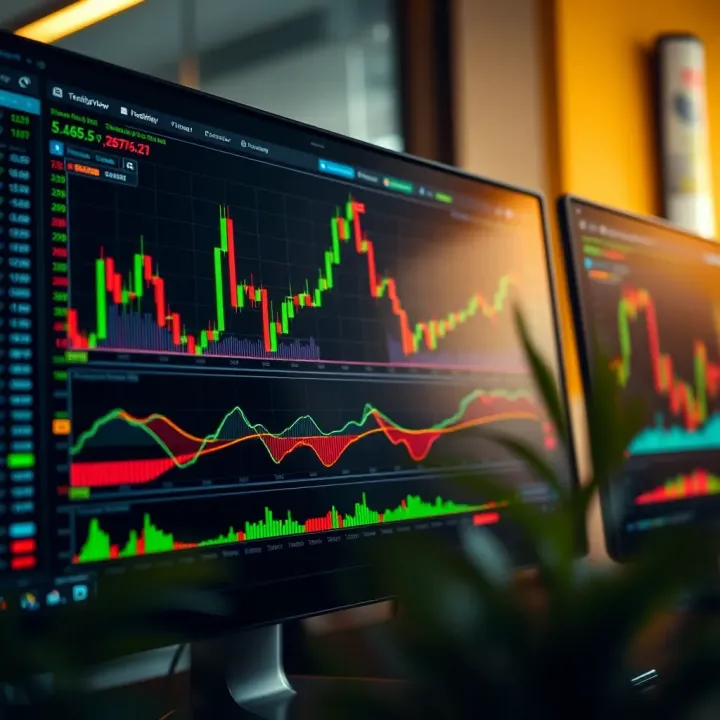
📊 Discover how to use TradingView charts like a pro! Learn about chart types, key indicators, and smart tools to boost your trading success in Kenya. 📈

🔒 Learn how Kenyan traders can easily log in to RoboForex, troubleshoot common issues, and keep accounts secure. Simple steps for smooth trading access.
Based on 5 reviews