

Understanding Maven Trading for Kenyan Investors
Discover how Maven Trading operates in Kenya's markets 📈, its investment role, key strategies, and what Kenyan investors must know before starting their journey 🌍.
Edited By
Thomas Wright
Automated trading robots are changing how many Kenyans participate in financial markets. These software programmes handle buying and selling assets like forex, stocks, or cryptocurrencies automatically based on pre-set rules. They work 24/7, responding instantly to market moves, freeing investors from watching charts all day.
At their core, trading robots analyse market data — for instance, price trends or volume changes — to spot trading signals. When certain conditions meet the programmed criteria, the robot executes a trade without human input. This can reduce reaction time to market shifts, which is critical in fast-moving markets like forex and cryptocurrency popular with Kenyan traders.
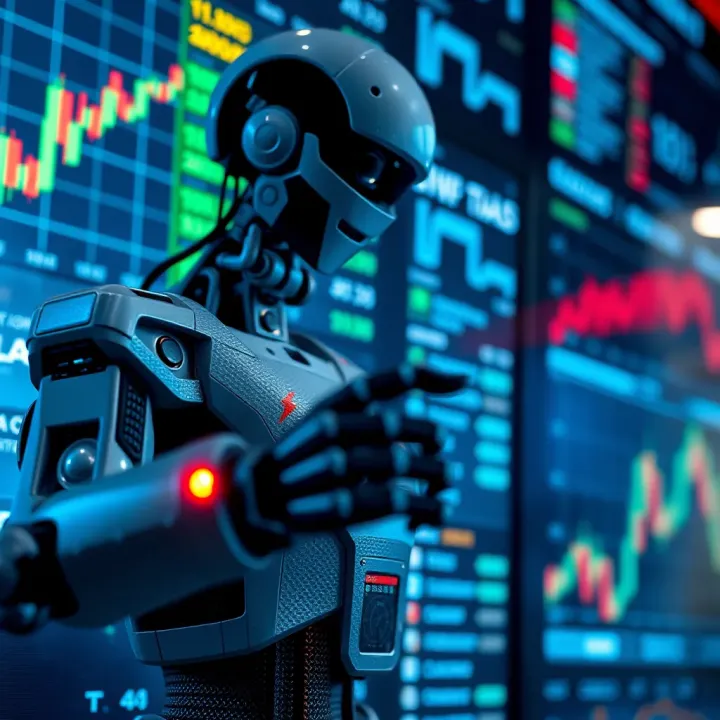
Trading robots can help Kenyan investors access automated strategies that might otherwise require deep market knowledge or round-the-clock attention.
However, these robots aren’t foolproof. They depend heavily on the strategy programmed into them and market conditions. Unexpected events—like political instability in the region or sudden shifts in global markets—can cause losses if the robot isn’t equipped to handle them. For Kenyan investors, it's important to understand the underlying logic and risks before relying heavily on automated trading.
In Kenya's growing online trading scene, trading robots offer benefits such as:
Consistency: They follow rules strictly, avoiding impulsive decisions caused by emotions.
Speed: Immediate execution of trades when market signals occur, important in volatile markets.
Accessibility: Allow new traders to participate with automated guidance, especially where financial education is still catching up.
But risks remain, including technical glitches, over-optimised strategies that fail in real markets, and the possibility of relying on unverified robot providers. Kenyan investors should vet trading software carefully and consider starting with simulated accounts.
In summary, trading robots are powerful tools that can complement Kenyan investors’ strategies when used carefully. They offer a way to tackle market complexity and time constraints but demand an informed approach to understand how they work and when they perform best.
Trading robots are computer programmes designed to automate trading decisions and execute trades without direct human intervention. In the Kenyan context, where access to online trading is expanding rapidly, understanding how these robots operate helps investors take advantage of opportunities efficiently. These systems offer a practical way to manage trades even when you're away from your device, saving you time and reducing the pressure to watch markets constantly.
Automated trade execution means the robot can place buy or sell orders on your behalf using preset conditions. For example, if the price of a Forex pair hits a certain level, the robot can automatically enter or exit a trade. This is particularly useful in volatile markets common in Kenya, where prices can shift quickly outside normal business hours. Instead of rushing to open your laptop, the robot keeps working for you 24/7.
Use of algorithms and preset criteria refers to the trading rules embedded within these robots. They use mathematical formulas and past market data to decide when to trade. For instance, a robot might be set to buy shares of Safaricom when its moving average crosses a certain threshold. By sticking strictly to these rules, trading robots avoid emotional decisions that typically affect human traders, such as panic selling during a market dip.
Trend-following bots focus on identifying market direction and follow it to maximise profits. If the price of a commodity like tea futures is rising steadily on the NSE, these bots will place trades that align with the upward trend, aiming to ride the wave until it reverses. This suits investors looking for consistent, long-term gains rather than quick profits.
Scalping robots operate differently by making many small trades within a short time frame, aiming to earn tiny profits from minor price changes. This approach can be effective in highly liquid markets like currencies traded by Kenyan investors through brokers linked to the global Forex market. However, scalping requires low latency and fast execution, which bots can provide more reliably than manual trading.
Arbitrage bots exploit price discrepancies between different markets or platforms. For example, if maize prices are slightly different between two Nairobi commodity exchanges, these bots can buy low on one and sell high on the other instantly. Such opportunities are rare and brief but can be profitable if acted on quickly, which trading robots can achieve better than humans.
Compatibility with popular platforms matters because most Kenyan traders use platforms such as MetaTrader 4 (MT4), MetaTrader 5 (MT5), and cTrader. Trading robots need to work smoothly within these setups to place orders accurately. Most bots are programmed to align with these interfaces, ensuring seamless control and minimal manual input.
Role of APIs and software installations involves the technical link between robots and trading platforms. Application Programming Interfaces (APIs) allow the bot software to communicate directly with the broker's system for place trades, access market data, and monitor account status. Some robots come as installed programs on your computer or mobile, while others operate from the cloud. This flexibility lets Kenyan investors choose what fits their internet connectivity and device availability best.
Understanding these basics empowers Kenyan traders and investors to make informed choices about adopting trading robots, ensuring they use tools that complement their trading goals and market conditions.
Trading robots offer several clear advantages that can enhance the trading experience for Kenyan investors. These automated systems take over the manual work of monitoring markets and placing trades, allowing investors to capture opportunities that they might otherwise miss. Kenyan traders, often balancing multiple responsibilities, stand to gain significant efficiency and improved trading discipline from these tools.
Markets never sleep, especially global ones like the New York Stock Exchange or forex pairs such as USD/KES. A Kenyan trader relying solely on manual monitoring could miss key moments, particularly when asleep or busy. Trading robots constantly scan markets for signals based on preset conditions and can trigger a trade immediately. For example, if a forex robot spots a sudden price drop in EUR/USD, it can place a buy order while the investor is asleep or on the matatu heading home.
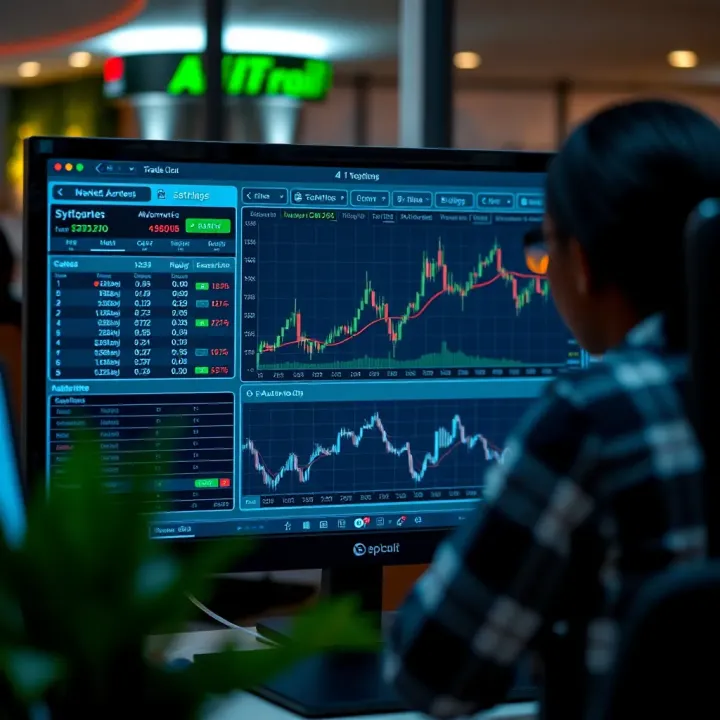
Kenyan investors often trade international stocks or forex markets across different time zones—London, New York, Tokyo. Manual trading requires being awake and alert at unusual hours, which is impractical for most. Automated bots shift the workload away from human time constraints by operating continuously across all hours. This means a Kenyan trader using a robot can benefit from markets opening while asleep without needing to stay up late or wake up early.
Emotional biases like fear or greed often cloud trading decisions, especially during volatile market conditions. Trading robots enforce discipline by strictly following coded strategies without emotion. For instance, if the strategy says to sell when the price hits a target, the robot will execute regardless of market hype or panic. This consistency safeguards Kenyan investors from knee-jerk reactions driven by news or rumours.
Manual trading is prone to mistakes—entering wrong order sizes, misreading charts, or forgetting stop-loss settings. Robots eliminate such errors because they operate on exact parameters programmed by the user or vendor. Minimising these errors can protect capital and improve overall trade execution quality, which is vital for Kenyan investors trading with limited resources.
Timing is everything in trading. Delays in placing orders by even a few seconds can cause traders to lose profits or increase losses. Trading robots instantly place buy or sell orders as soon as conditions are met, without needing approval or manual input. For example, when arbitrage opportunities—small price differences between markets—appear, a robot can act instantly, something a human trader would struggle to do reliably.
Kenyan traders handling several currency pairs or stock positions find it hard to track all charts and execute timely trades manually. Robots can monitor and trade multiple assets at the same time, switching focus fluidly without fatigue. This multitasking ability increases trade opportunities and portfolio diversification without extra effort from the trader.
Overall, trading robots bring efficiency and discipline that can dramatically improve the trading capabilities of Kenyan investors, especially those juggling trading alongside other daily commitments.
While trading robots offer impressive automation, Kenyan investors must understand their risks and limitations. These systems rely heavily on algorithms, which don't always account for sudden market changes or technical hiccups. Knowing these challenges helps traders prepare better and avoid costly surprises.
Automated trading strategies work best under predictable conditions, but markets can be wildly unpredictable. Events like flash crashes, political unrest, or unexpected economic announcements can cause sharp price swings that confuse trading robots. For example, during Kenya’s 2017 election period, the Nairobi Securities Exchange (NSE) saw unusual volatility, and automated systems struggled to adapt immediately, resulting in losses for some traders.
Sudden market shifts can cause trading robots to either exit positions prematurely or hold onto losing trades too long. This limitation highlights the need for close monitoring and having manual overrides. Robots lack human intuition to weigh news or sentiment, so traders should not rely on them alone during turbulent times.
System crashes pose a real threat to automated trading. A sudden power outage, poor internet connection, or a fault in the robot’s code can interrupt trading, potentially missing profitable opportunities or causing losses. For instance, if a robot crashes during market open, it might fail to execute stop-loss orders, exposing the trader to larger losses than expected.
Keeping trading software updated and regularly maintained helps reduce bugs and failures. Developers often release patches to fix security holes or improve performance. Kenyan traders should also ensure their devices and internet connections are reliable. Routine checks and backups of trading algorithms act as safekeeping measures that could save one from big setbacks.
The growth of online trading in Kenya has attracted some unscrupulous players offering trading robots with unrealistic promises. Claims of guaranteed high returns with zero risk are red flags. Traders must watch out for exaggerated testimonials or lack of clear strategy disclosures.
Before investing, verifying a robot’s legitimacy is crucial. Check if the provider is registered with Kenya’s Capital Markets Authority (CMA) or other recognised bodies. Request demo results and ask for references to see real performance over time. Using well-known brokers approved in Kenya adds an extra layer of safety.
Investing in trading robots demands caution. Understanding risks about market shocks, technical failings, and scams will help you make wiser choices and safeguard your investments.
By being aware of these factors, Kenyan investors can balance the convenience of automation with prudent risk management for a more secure trading experience.
Selecting the right trading robot can make a big difference for Kenyan investors looking to automate their trading process. Understanding what to look for and how to properly use these systems helps avoid costly mistakes and improves chances of success. This section covers the key features, testing practices, and payment integration options that will guide you when picking and operating a trading robot locally.
Transparency of strategy is essential before trusting any trading robot with your money. You need to know how the robot makes its trading decisions — does it follow technical indicators like moving averages, or does it react to news events? A clear explanation of the strategy helps you assess whether it fits your risk appetite and market outlook. For instance, if a robot uses aggressive scalping but you prefer longer-term trades, it might not suit your style. Transparency also means you shouldn’t rely on vague claims like "high-profit guaranteed" without any detail to back it.
Performance track records provide evidence of how well a trading robot has done in real or simulated market conditions. Reliable providers share verifiable results, often through demo or live account histories. Keep in mind, some sellers can fudge or cherry-pick data, so look for records audited by third parties or shared openly on trusted trading forums. For example, if a robot shows consistent returns during volatile periods, it signals good adaptability. Track records help you gauge realistic expectations and avoid robots promising unrealistic profits.
Compatibility with Kenyan brokers matters more than it might seem. Not all trading robots work with local platforms or brokers approved by the Capital Markets Authority (CMA). Many Kenyan traders use brokers offering local payment options like M-Pesa, and you want a robot that seamlessly connects with these platforms via APIs or software plugins. For example, a robot that integrates with a broker offering Lipa Na M-Pesa funding will save you headaches compared to one requiring international bank transfers or complicated setups.
Trying before investing real funds is the smart way to start with any trading robot. Demo accounts simulate live market conditions without risking your KSh. This lets you see how the robot behaves—whether it truly follows its set strategy or if unexpected losses crop up. For example, using an MT4 or MT5 demo account allows you to test different robots or settings over several weeks to observe performance in varying market trends without financial risk.
Evaluating performance under different conditions means monitoring how the robot handles both calm and volatile markets. Markets in Kenya and globally can shift quickly during events like election days or international announcements. Testing across these conditions helps you avoid robots that perform well only in stable markets. Keep a record of drawdowns, winning trades, and execution times during different phases. This assessment helps you fine-tune settings or decide if the robot suits your personal trading goals.
Seamless funding options are a big plus when using trading robots in Kenya. Many brokers now accept direct M-Pesa payments, which is fast and familiar for most investors. A trading robot that connects with brokers offering M-Pesa means you can deposit funds quickly without currency conversion hassles or bank charges. For example, a robot that works with KCB M-Pesa or Equity Bank accounts offering instant funding simplifies the start-up process.
Withdrawal procedures should be straightforward and transparent. After making profits with your trading robot, accessing your funds promptly matters to any investor. You want to know how easily you can withdraw money back to your M-Pesa or bank account, and any fees involved. Efficient brokers linked to the robot will process withdrawals within a day or two, reducing the frustrations of stuck funds. Always confirm these details before committing money.
Before choosing a trading robot, take time to understand its strategy, test it thoroughly, and check payment integration with local Kenyan brokers. This careful approach protects your investment and improves your chances of benefiting from automated trading in Kenya’s growing market.
Automated trading is gaining momentum in Kenya, buoyed by technological access and rising investor interest. This shift matters because it offers retail traders opportunities to engage markets far beyond the traditional setups familiar in Nairobi's downtown or Mombasa's business districts. As smartphones and internet coverage spread, so too does the ability of everyday Kenyans to try trading robots as tools for potential gains or portfolio diversification.
Increasing smartphone access has been a game-changer. Many Kenyans now own smartphones with reliable internet connections, making online trading more approachable. A farmer in Kisumu or a boda boda rider in Eldoret can, through apps like Safaricom’s M-Pesa and brokerage platforms, connect to the stock market or Forex with just a few taps. This widening digital access lowers barriers once faced mainly by urban and well-off investors.
This practical availability of technology means more people experiment with trading, and often, trading robots become their first automation tools. These algorithms run trades on their behalf, offering a way to navigate complex markets without needing deep financial expertise. As devices grow cheaper and network coverage steadies even in rural areas, expect this trend to deepen.
Availability of online trading education complements this access. Platforms such as the Nairobi Securities Exchange (NSE) and various financial blogs tailored for Kenyans now provide bite-sized, understandable lessons on trading basics and robot use. These resources help demystify both manual and automated trading.
For example, digital courses teach how algorithmic trading fits into wider portfolio management or how to assess bots' performance using demo accounts. Practical guides on using M-Pesa with these platforms make the process less intimidating. This education arms investors with knowledge to make informed decisions, reducing reckless ventures often seen with new traders.
Role of the Capital Markets Authority (CMA) in Kenya is vital. The CMA regulates how stockbrokers and trading platforms operate, and it is increasingly looking into automated trading's growing role. Its oversight ensures that automated tools meet minimum standards for fairness and investor protection.
The CMA’s guidelines also protect traders from unscrupulous providers who might promise unrealistic returns through robots. Kenya's retail investors benefit from this by having a regulatory body they can approach in cases of malpractice, unlike in unregulated markets where losses go unaddressed.
Need for clearer rules on automated trading has become urgent as these robo-traders evolve. Current frameworks still focus on manual trading and often lag behind new tech developments. Clearer policies on algorithmic trading will spell out responsibilities for providers and safeguards for users.
Without such rules, traders risk facing unsupported losses from poorly managed bots or unvetted software. Formalising conduct standards can also encourage reputable firms to invest in Kenya, improving the quality and trustworthiness of automated tools available locally.
More sophisticated algorithms are shaping automated trading's future too. Instead of basic rule-based bots, newer software incorporates machine learning and artificial intelligence. These advanced algorithms adapt to changing market conditions, improving decision accuracy and potential profitability.
In Kenya, some firms are piloting AI-based trading that considers global market news, local economic data, or even sentiment from social media. This layered insight helps bots act with better timing and strategy, unlike static models which struggle during volatile times.
Potential challenges and safeguards must keep pace. While AI-powered trading offers promise, it also raises risk of technical faults or systemic failures impacting many investors at once. For instance, an error in AI logic might trigger widespread wrong trades, resulting in losses.
Because of this, it is important for investors to choose bots with robust testing records and for regulators like CMA to require regular audits. Moreover, traders should remain vigilant and not put all funds into automated systems without understanding how they work and their limits.
The future of automated trading in Kenya looks promising, but navigating it well depends on education, regulation, and careful adoption of evolving technologies.
By keeping these factors in mind, Kenyan investors can better position themselves to use trading robots effectively and safely as part of their financial strategies.
Discover how Maven Trading operates in Kenya's markets 📈, its investment role, key strategies, and what Kenyan investors must know before starting their journey 🌍.

🤖 Learn how forex robots automate currency trading with benefits and risks. A practical guide for Kenyan traders to pick reliable tools and boost strategies.

📈 Learn how to trade indices and tap into global market trends from Kenya. Understand risks, key stocks, and strategies to grow your KSh investments wisely.
📉 Discover practical trading signals for Kenyan traders! Learn how to interpret them to make smarter market moves and improve your trading strategies effectively.
Based on 9 reviews