

Trading Indices: A Practical Guide for Kenyan Investors
📈 Learn how to trade indices and tap into global market trends from Kenya. Understand risks, key stocks, and strategies to grow your KSh investments wisely.
Edited By
Sophie Mitchell
Trading presents an accessible way for Kenyans to grow wealth beyond traditional saving and business activities. Yet, like any venture involving money, it demands understanding, patience, and careful planning.
Whether you're interested in stocks listed on the Nairobi Securities Exchange (NSE), forex markets, commodities like coffee or tea, or even cryptocurrencies, getting started requires grasping the fundamentals.

Trading is not a get-rich-quick scheme; it involves analysing market trends, balancing risks, and making informed decisions. Kenyan traders often benefit from mobile money platforms like M-Pesa for quick fund transfers and local brokerage firms that understand the regional markets.
Successful trading begins with clear goals, solid knowledge, and tools that suit the Kenyan financial environment.
Here are key pointers to kickstart your learning:
Choose Your Market Wisely: NSE shares, forex pairs (like USD/KES), or agricultural commodities each have different dynamics—pick what fits your risk appetite and interests.
Understand Basic Concepts: Terms like bid, ask, spread, leverage, and margin are commonly used. Being familiar saves costly mistakes.
Start Small: Use demo accounts offered by brokers to practise without losing real cash.
Stay Updated: Keep an eye on global economic news and local factors such as political changes or weather patterns affecting exports.
For Kenyan beginners, it's also useful to identify reliable resources. Organisations like the CMA (Capital Markets Authority) provide guidelines, while financial news from Daily Nation or Business Daily helps track market shifts.
Getting connected with local trading communities or forums can offer peer support and practical insights.
Building a strong trading foundation takes time. Avoid chasing tips or rumours. Instead, focus on learning steadily, applying strategies carefully, and managing losses sensibly to safeguard your capital.
Grasping what trading really involves is the first step to making informed decisions and avoiding unnecessary losses. It’s not just about buying and selling—it’s about knowing the purpose, the markets available, and the risks involved. This understanding helps you navigate the Kenyan trading landscape with more confidence and less guesswork.
Trading is essentially the buying and selling of financial assets within short to medium time frames to earn a profit. Unlike holding an asset for a long-term gain, trading focuses on taking advantage of market movements. For example, a trader in Nairobi might buy shares in Safaricom expecting a price rise over a few weeks, aiming to sell at a profit before any major market changes.
Trading differs from investing mainly in time horizon and goal. Investing is about building wealth slowly over time by holding assets like stocks or bonds for years, benefiting from dividends and capital growth. On the other hand, trading is about quicker gains, requiring regular market attention and decision-making.
Common goals among traders include capital appreciation, income generation through short-term price changes, and hedging against other financial risks. For instance, a forex trader might aim to profit from fluctuations between the Kenyan shilling and the US dollar. Understanding what you want helps shape your strategy and risk appetite.
The Nairobi Securities Exchange (NSE) is Kenya’s main stock market where you can buy and sell shares of companies listed locally. Trading here allows participation in Kenya’s economic growth. For example, investors often trade shares in banks such as KCB or manufacturing firms like Bamburi Cement. The NSE’s liquidity and transparency make it a good starting point for Kenyan traders.
The forex market involves trading currencies and it operates 24 hours, five days a week. Kenyans often trade currency pairs such as USD/KES or EUR/KES. It’s attractive due to its high liquidity and significant price movements, but it’s also risky because of leverage. Many local brokers provide platforms for forex trading tailored to Kenyans.
Commodities trading means buying and selling physical goods such as gold, coffee, or oil. In Kenya, commodities like coffee and tea have global demand, and trading these can offer diversification from stocks or forex. While direct commodities trading can be complex, commodity-related stocks and ETFs linked to global prices offer practical alternatives.
Cryptocurrency has grown in popularity among Kenyan traders, with Bitcoin, Ethereum, and other coins accessible via platforms like Binance or local exchanges. Cryptos offer a highly volatile market with potential quick gains but require cautious risk management, especially given regulatory uncertainties in Kenya.
Whether it's NSE shares or cryptocurrencies, knowing the market’s working helps you trade smarter and avoid pitfalls.
Understanding these fundamentals sets a solid base for any Kenyan eager to start trading seriously and responsibly.
Starting your trading journey in Kenya calls for careful steps to build a strong foundation. Choosing the right broker and setting up a trading account are the cornerstones that will determine how smooth your experience will be. Knowing these basics helps you avoid costly mistakes and get hands-on with markets confidently.
When looking for a broker, you have two main choices: local or international. Local brokers are registered and operate within Kenya, offering the advantage of familiarity with local regulations and easier communication. For example, some local brokers may allow deposits and withdrawals in Kenyan shillings (KSh), which reduces currency exchange hassles. On the other hand, international brokers often provide access to a wider range of markets and instruments, such as global forex pairs, international stocks, or commodities not readily available at home. It's common for Kenyan traders to blend both options to diversify their portfolio.

Licensing and regulation play a big role in protecting your money. The Capital Markets Authority (CMA) regulates brokers and investment firms in Kenya, aiming to keep trading practices transparent and fair. Choosing a broker licensed by the CMA or other reputable authorities ensures you won't fall victim to scams. Before registering, check if the broker’s licence is current and if complaints against them exist.
Popular brokers among Kenyan traders include local firms like Dyer & Blair, which focus on NSE trading and East African markets. International platforms such as FXTM, HotForex, and IG Markets attract Kenyans seeking broader markets and advanced trading tools. These brokers usually support M-Pesa payments and offer user-friendly apps that accommodate Kenyan traders.
Documents are essential to start a trading account. You will typically need a valid Kenyan ID or passport, proof of residence such as a recent utility bill, and sometimes a bank statement for verification. The process is quite straightforward, but complete and accurate paperwork speeds up approval. Don't overlook this step as delays can prevent you from trading when opportunity arises.
Using M-Pesa and other local payment channels makes funding your trading account simple and efficient. Many brokers now accept M-Pesa, which is convenient since most Kenyans already use it daily. This avoids additional bank charges or international transfer fees. Some brokers also allow deposits through local bank transfers or cards linked to Kenyan banks. Always verify the payment options the broker offers to avoid surprises later.
Before risking real money, open a demo account if available. Demo accounts simulate live trading using virtual funds, allowing you practice without financial risk. This helps you familiarise yourself with the trading platform, test strategies, and gain confidence. For example, you could try trading forex pairs like USD/KES or NSE stocks on a demo account to see how prices move throughout the Kenyan trading day.
Starting sensibly makes all the difference — understanding brokers, setting up accounts right, and practising on demo platforms build your trading skills and lower risks.
By focusing on these basics, Kenyan beginners can step into trading with clearer understanding and better control over their investments.
Access to the right tools and resources can make a huge difference when you start trading. They help you analyse the markets, make informed decisions, and improve your skills over time. For Kenyan traders, using resources that are locally accessible and relevant boosts your chances of success.
Charting tools are central to trading because they show price movements and help identify trends. Popular platforms like MetaTrader 4 (MT4), TradingView, and the Nairobi Securities Exchange (NSE) app offer free or affordable options for Kenyan traders. These tools visualise data in real time, making it easier to spot patterns needed for timely trades.
Technical indicators form part of these tools. Common ones include the Moving Average (MA), Relative Strength Index (RSI), and Bollinger Bands. For instance, the RSI helps to show whether a stock is oversold or overbought, signalling potential buying or selling opportunities. Learning to read these charts and indicators is crucial; it lets you anticipate possible market moves rather than relying on guesswork.
There are plenty of online courses and webinars aimed at Kenyan beginners. Platforms like Coursera, Udemy, and local trading academies frequently offer targeted lessons, teaching you not just the theory but practical trading strategies suited to your market situation. These are helpful because they let you learn at your own pace and revisit tricky concepts.
Books remain valuable too. Titles like "Trading for a Living" by Dr Alexander Elder or "Japanese Candlestick Charting Techniques" by Steve Nison offer timeless strategies. Additionally, tapping into Kenyan trading communities on social media or WhatsApp groups provides peer support, up-to-date insights, and shared experiences that focus on trading in local contexts.
Keeping up with financial news that affects Kenya is equally important. Following the Nairobi Securities Exchange updates, Central Bank of Kenya announcements, and regional economic reports helps you understand the bigger picture influencing price movements. For example, changes in the Kenyan shilling value or agricultural commodity prices can impact forex and futures markets, so staying informed guards against surprises.
Utilising the right tools, combined with continuous learning, gives you the edge to trade confidently and avoid common pitfalls.
By integrating these charting tools, educational resources, and up-to-the-minute news into your routine, you’re better placed to navigate the markets smartly and build a solid foundation for your trading journey.
Managing risks and having a clear trading plan are vital steps for anyone starting out in trading in Kenya. Without these, even promising trading opportunities can quickly turn into losses. A good plan helps you stay focused on your goals and avoid emotional decisions when the market moves unpredictably. Trading without managing risk is like driving without brakes; you might move fast but are far more likely to crash.
Setting stop-loss orders is one of the simplest yet most effective tools to protect your capital. A stop-loss automatically closes a trade when the price hits a level you’ve set, limiting your losses if the market goes against you. For example, if you buy shares at KSh 100 and set a stop-loss at KSh 90, your trade will close at or around that level, preventing further loss beyond KSh 10 per share. This tool prevents emotional decision-making in stressful moments.
Position sizing means deciding how much money or how many units to commit to a single trade. If you put too much of your capital in one trade, a single market swing could wipe you out. Many Kenyan traders follow a rule of risking only 1–2% of their total trading capital on any trade. For instance, with KSh 50,000, risking 1% means a maximum loss of KSh 500 per trade. Proper position sizing spreads your risk and protects your account from big hits.
Limiting leverage use is important particularly in Forex and derivative markets where brokers offer high leverage. Leverage lets you control a large position with a small deposit but magnifies both profits and losses. Beginners in Kenya should use low leverage ratios like 1:10 or less, as high leverage can drain accounts quickly. For example, trading with 1:100 leverage can turn a small market move into significant loss overnight. Limiting leverage keeps your risk manageable while you learn market behaviour.
Defining your trading goals helps you decide how to approach trading and what kind of results to expect. Are you aiming for steady small gains monthly or looking for higher returns with more risk? Goals shape your strategy. A trader targeting KSh 5,000 monthly from a KSh 100,000 account will have a different plan than someone chasing quick profits with larger swings. Setting realistic, measurable goals keeps your trading on track and avoids chasing unrealistic dreams.
Choosing the trading time frames means picking how long you plan to hold trades. Some Kenyan traders prefer day trading, opening and closing positions within hours during active market hours, while others adopt a swing or positional trading style that lasts days or weeks. Your available time, risk tolerance, and market knowledge influence this choice. For example, a teacher trading during evenings may opt for longer time frames to avoid constant monitoring.
Record keeping and reviewing trades is about tracking every trade you make with notes on why you entered, exited, and what happened. A simple journal, even in a notebook or Excel sheet, helps you spot patterns and mistakes over time. A trader in Nairobi noticed through records that they often lost money when trading on Fridays. Recognising such trends lets traders tweak their strategies or avoid risky days. Reviewing trades regularly sharpens decision-making and improves future results.
Sticking to your risk management rules and trading plan is what separates successful traders from those who struggle. It’s a discipline that pays off over time, especially in volatile markets.
By managing risks and developing a solid trading plan, Kenyan traders can protect their money and position themselves for consistent success. This approach turns trading from gambling into a skill worth developing.
Trading in Kenya comes with its share of hurdles, especially for beginners. Recognising common pitfalls and learning how to navigate them can significantly improve your chances of success. Understanding these challenges allows you to develop disciplined habits and avoid costly mistakes that catch many new traders off guard.
One common mistake new traders fall into is overtrading, where they make excessive trades in a short span, often driven by impulsive emotions. It’s easy to get caught up in the excitement of potential quick profits and start placing trades without proper analysis. For instance, after a few losses, a trader might try to recoup money quickly by ramping up trade frequency, which usually leads to deeper losses.
Emotional trading clouds judgement and often causes rash decisions. Maintaining clear-headedness and sticking to your trading plan help counter this. Remember, trading isn’t about chasing every opportunity but about picking moments with solid setups and sticking to your strategy.
Failing to apply risk management tools, such as stop-loss orders, exposes you to bigger than necessary losses. Some traders may set their trades without limits, hoping markets will turn in their favour. In Kenya, where volatility can be high on some assets like forex or cryptocurrencies, this oversight can wipe out your capital quickly.
Using proper risk controls ensures you define how much you’re willing to lose on every trade. It keeps your losses manageable and protects your overall portfolio. Position sizing, where you adjust trade sizes according to your risk tolerance, also plays a vital role. Ignoring these basics often leads to fast depletion of trading funds.
Relying on unverified tips from social media, WhatsApp groups, or hearsay can mislead traders into making poor decisions. For example, a soon-to-be viral story about a Kenyan company’s stock may push traders to buy without proper research. Such rumours rarely reflect real market fundamentals.
Engaging with trusted sources and verifying information before acting is key. Kenyan traders should tap into credible platforms, financial news, and market data rather than chasing quick hot tips. This vigilance will save you from falling victim to manipulation or false signals.
Losses are part of trading — the trick is to accept them calmly and learn from them without frustration. Reacting negatively can lead to revenge trading, where emotions drive poor subsequent decisions. Instead, treat losses as feedback.
For instance, if a trade fails, review the reasons without blaming luck or outside forces. This habit helps refine your strategy and builds resilience, which is crucial for long-term success in the Kenyan trading environment.
Keeping track of market news and developments is necessary. Still, information overload can be overwhelming, especially with fast-moving markets like NSE equities or forex.
Create a routine to consume news selectively — focus on reputable sources relevant to Kenyan markets and your trading niche. Avoid the temptation to check updates every minute, which can lead to anxiety and impulsive moves.
Trading can be demanding, but you must maintain a healthy balance to avoid burnout. Many beginner traders find themselves obsessing over charts even outside trading hours, affecting personal and work life.
Set specific trading hours and stick to them. Outside these times, switch off from market activities and focus on other aspects of life, whether family, work, or hobbies. This balance improves mental clarity and helps sustain your trading journey sustainably.
Patience, discipline, and a clear plan can save Kenyan traders from common pitfalls and make the trading experience more rewarding and less stressful.
📈 Learn how to trade indices and tap into global market trends from Kenya. Understand risks, key stocks, and strategies to grow your KSh investments wisely.

📘 Start your forex trading journey with this practical PDF guide tailored for Kenyan beginners. Learn market basics, choose brokers wisely, and manage risks well.

🔍 Learn how free trading bots can help Kenyan traders automate markets, spot opportunities, and manage risks. Compare popular bots and choose what suits your goals best.
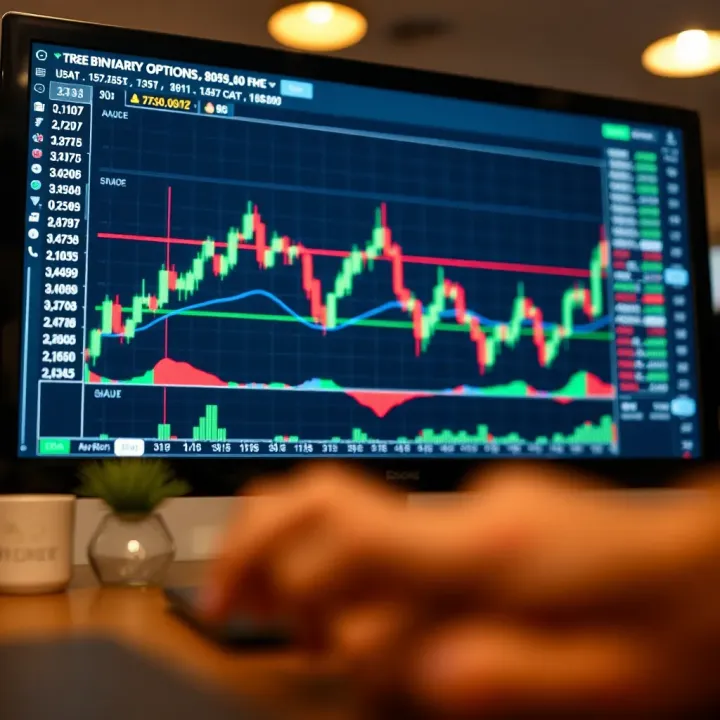
Explore Binary Trading View 📊 for Kenyan traders 🇰🇪 with tools, strategies, and tips to navigate binary options confidently while managing risks wisely.
Based on 8 reviews