

Trading Indices: A Practical Guide for Kenyan Investors
📈 Learn how to trade indices and tap into global market trends from Kenya. Understand risks, key stocks, and strategies to grow your KSh investments wisely.
Edited By
George Phillips
Robot trading is changing how investors engage with markets, especially in fast-moving sectors like stocks, forex, and cryptocurrencies. Instead of relying entirely on human decisions, automated systems execute trades based on pre-set rules, reducing the time it takes to respond to market changes. This technology makes trading faster and cuts out emotional influences that often cloud judgment.
These computer programmes, often called "trading bots," scan market data 24/7, spotting opportunities that might be missed by even the most experienced human traders. For example, a forex robot can monitor currency pairs all day long, instantly picking the best moment to buy or sell according to its programmed strategy. This continuous attention is difficult for human traders, especially those juggling multiple responsibilities or limited by time zones.
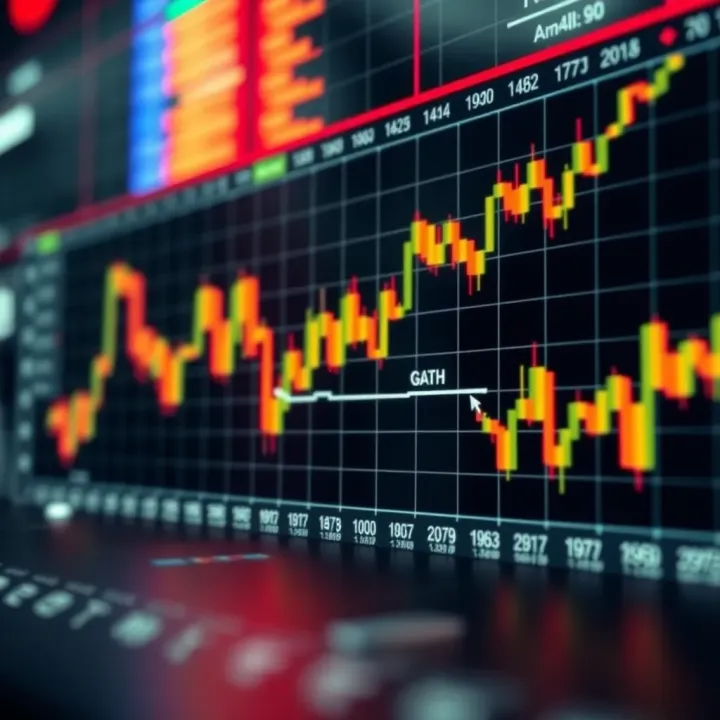
Kenyan investors are catching on to the benefits of robot trading, particularly through platforms that integrate M-Pesa for deposits and withdrawals. However, understanding how these systems work before committing is key. Robot trading typically falls into a few types:
Trend-following bots: These look for patterns in price movements and execute trades aligned with the market trend.
Arbitrage bots: They exploit price differences of the same asset across different exchanges.
Market-making bots: These provide liquidity by placing simultaneous buy and sell orders to profit from price spreads.
While robot trading offers speed and disciplined execution, it isn't foolproof. Market shocks or unexpected events can cause losses if the algorithm is not set to handle sudden volatility.
In practice, a Kenyan investor might use robot trading for forex due to the high liquidity and round-the-clock market. Integrating affordable internet and reliable power supply remains a challenge outside major towns, but urban centres like Nairobi and Mombasa offer conducive environments to benefit from these systems effectively.
Understanding the mechanics of robot trading helps investors manage expectations and tailor their strategies. It is not about handing over all control but using automation to enhance decision-making and improve execution speed. This balance can be especially valuable in markets where every second counts and emotional bias can easily lead to mistakes.
Overall, robot trading represents a tool that, when used wisely, can open new opportunities for Kenyan traders and investors aiming to navigate modern markets efficiently and with greater confidence.
Understanding how robot trading operates is key to grasping its influence on modern markets. It combines speedy data processing with automated execution to improve trade efficiency and reduce human errors. This section breaks down the core mechanisms, showing how these systems actually work in practice.
Automated trading relies on algorithms—complex sets of rules coded to make buy and sell decisions without human intervention. These algorithms scan markets for specific signals, such as price changes or volume shifts, and then act according to predefined strategies. For example, a trend-following robot might enter a trade when a moving average crosses a threshold, while another could react to sudden price spikes.
Algorithms continuously analyse incoming data to decide when to execute trades at the most advantageous moments. Their practical value lies in consistency and speed, doing away with the emotional biases typical in manual trading. This means a robot could catch fleeting opportunities that a human might easily miss.
For robot trading to function, seamless integration with broker platforms is essential. The trading software connects via application programming interfaces (APIs) to the brokers’ systems, allowing it to access real-time data and send trade orders automatically.
This connection ensures that trades are executed without delay and according to the algorithm’s instructions. Kenyan traders using platforms like MetaTrader or Interactive Brokers benefit from this integration, as it enables smooth order placement and management without manual input, helping overcome challenges linked to network delays or manual errors.
One of the standout features of robot trading is how fast it executes orders. These systems can respond in milliseconds to market changes, much faster than any trader could click a button. Speed is vital, especially in volatile markets like forex or cryptocurrencies where prices shift rapidly.
Fast execution reduces slippage—the difference between expected and actual trade prices. Moreover, robots can divide large orders into smaller chunks, placing them strategically to avoid moving the market too much. This efficiency can save traders significant amounts over time.
Robots depend heavily on real-time market price feeds to make decisions. These feeds provide live data on bid and ask prices, trade volumes, and order book depth. Without quick and reliable price feeds, a trading robot's decisions could be based on outdated or incorrect information, leading to losses.
In practice, many brokers supply their clients with these feeds as part of their service. Kenyan traders should ensure their chosen platform offers stable and accurate feeds, as interruptions or delays can undermine even the best algorithms.
Beyond raw prices, trading robots use technical indicators—tools derived from historical price and volume data—to identify market trends and potential reversals. Common indicators include moving averages, Relative Strength Index (RSI), and Bollinger Bands.
These indicators help automate the recognition of patterns that human traders might spot but slower. For instance, a robot might combine RSI with moving averages to confirm a buy signal, reducing false alarms and improving trade quality.
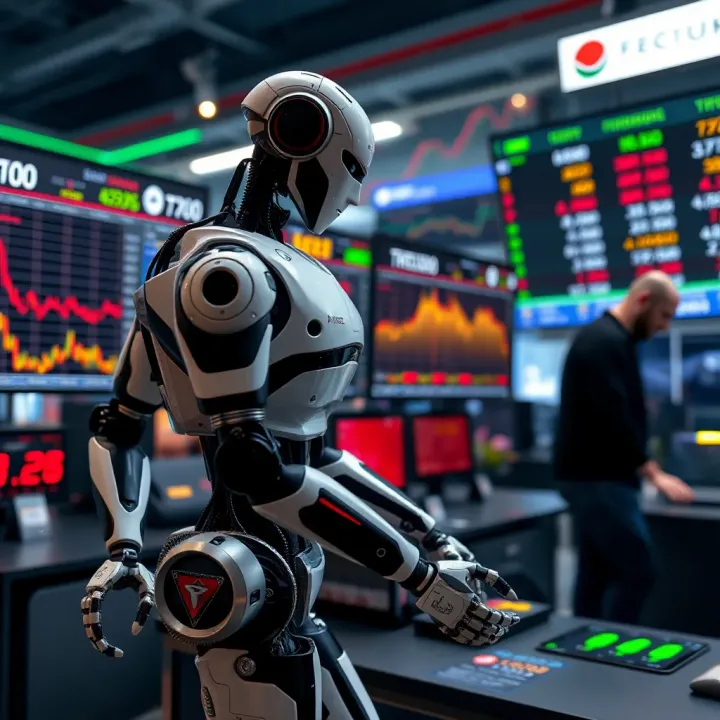
Some advanced robots incorporate economic data and news releases into their decision-making. Events such as central bank rate announcements, employment reports, or election results can cause sharp market movements.
By parsing news feeds and scheduled economic calendars, these robots can adjust or temporarily halt trading to avoid unnecessary risks. For example, a robot might avoid opening new positions minutes before the Central Bank of Kenya announces its monetary policy to prevent sudden market swings.
Reliable data sources and quick algorithmic responses form the backbone of successful robot trading. Understanding these allows traders to use automated systems more effectively and reduce avoidable risks.
Robot trading systems rely on different strategies tailored to how markets move and respond to information. Understanding these common types helps traders select the best automated tools for their needs and risk appetite. These strategies differ in how they approach price movements, market inefficiencies, and news, offering various benefits and challenges.
Trend-following robots look to ride the waves of market momentum. When a stock or currency pair shows a clear upward or downward movement, these robots buy or sell accordingly, hoping the trend continues. They use tools like moving averages or breakout signals to catch the momentum early. For example, in the NSE (Nairobi Securities Exchange), a trend-following robot might buy shares of Safaricom when prices start climbing steadily, aiming to exit before a reversal. While simple and effective in trending markets, these robots can struggle in sideways markets with choppy prices, producing false signals.
Arbitrage strategies seek to profit from price differences of the same asset in different markets or related instruments. A robot might spot that the price of a Kenyan bank’s shares is slightly cheaper on one platform than another and swiftly buy low in one and sell high in the other, locking in risk-free profit. Statistical arbitrage, meanwhile, uses historical data and statistical models to identify mispricings between related instruments that will likely correct. These robots need high-speed connections and efficient execution, as the windows for arbitrage opportunities are very narrow.
Mean reversion robots operate under the idea that prices tend to return to an average long-term value after extremes. When a stock price shoots too high or dips sharply beyond its average, the robot trades expecting a pullback to the mean. For example, if NSE-quoted stock Equity Bank surges unusually due to short-term news, a mean reversion robot might sell or short it, betting on a price correction. This method works well in calm markets but can be risky during strong trending moves, where prices may keep deviating significantly for some time.
Some robots are built to respond instantly to news headlines, economic reports, or social media sentiment. They scan data feeds and trade based on predefined triggers, such as a Central Bank notice or a corporate earnings announcement. For instance, if the Central Bank of Kenya unexpectedly changes interest rates, a news-based robot could quickly adjust forex or bond holdings. These robots need advanced natural language processing to avoid false reactions and require reliable, high-speed news sources.
Choosing the right robot trading strategy depends on market conditions, your risk tolerance, and the assets you trade. Combining these strategies with proper human oversight can improve trading results while reducing the chances of losses due to unexpected market moves.
Robot trading brings a mix of clear benefits and notable challenges that traders and investors must understand. While automation speeds up trades and reduces emotional mistakes, it also introduces risks tied to technology and market behaviour. Knowing these pros and cons helps you use robot trading more wisely in Kenyan financial markets.
A key strength of robot trading is its speed. Robots execute trades in milliseconds, much faster than any human could react. This quick execution means you can take advantage of brief price changes before they vanish. For example, during volatile sessions on the NSE or forex markets, a robot can lock in a profit or cut losses without hesitation, something a human might delay over.
Plus, robots skip the emotional whirls that affect many traders. Fear and greed often cause people to hold losing positions too long or exit winners prematurely. Automated systems stick to their rules without second-guessing or panic, which can help improve overall trading results.
Humans struggle with watching many markets or assets at once. Robots can track various stocks, forex pairs, and crypto coins across different exchanges simultaneously. This broad monitoring uncovers more trading chances and diversifies risk. Imagine keeping tabs on Safaricom shares, the dollar-ksh rate, and Bitcoin prices all at the same time — a robot does this effortlessly.
That said, having multiple screens open still won't match the robot's consistent vigilance and quick reactions. This capability suits traders wanting exposure to several markets within Kenya and abroad without spreading themselves too thin.
Unlike the NSE or forex markets that have trading hours, cryptocurrency markets never sleep. Robot trading systems can run nonstop, seizing opportunities even while you're asleep or at work. This 24/7 availability means you do not miss out on price swings caused by news or events happening at odd hours.
Kenyan crypto investors especially benefit here, as markets like Bitcoin and Ethereum react fast to global developments. With a reliable robot, you can maintain positions or enter new trades around the clock without constant monitoring.
Robots rely heavily on stable internet and sound software. In Kenya, where connectivity can be unpredictable especially outside major cities, interruptions can cause missed trades or wrong executions. A brief outage or lag might cause a robot to execute an order too late or at an unfavourable price.
Software glitches also pose dangers. Bugs in the trading algorithm or platform can lead to unintended trades or stop-loss failures. That’s why many traders prefer to test robot programmes on demo accounts first before risking real money.
Some robotic strategies get too finely tuned to past market data — a phenomenon called over-optimisation or curve fitting. While they perform well on historical charts, they often fail to adapt when market conditions change. This can lead to false trading signals, triggering losses.
For instance, a trend-following robot might work well during calm markets but suffer heavy losses when sudden crashes or erratic moves occur. It's wise to monitor robot performance regularly and adjust strategies rather than blindly trusting them.
Automated trading raises concerns around oversight and transparency. In Kenya, the Capital Markets Authority (CMA) is still developing specific rules for robot trading. Lack of clear regulation means some providers may offer systems without full disclosure on risks or performance.
Traders must be cautious about software from unverified sources or those promising unrealistic returns. Transparency about the algorithms and trade logic is often limited, making it harder to judge their reliability. Keeping updated on CMA guidelines and using well-regulated platforms helps reduce legal and financial risks.
While robot trading offers exciting advantages like speed and round-the-clock access, it’s critical to balance these with awareness of tech risks and regulatory realities. A considered approach helps you benefit from automation without falling into avoidable pitfalls.
Robot trading is steadily gaining ground in Kenya’s financial sector, offering investors a way to automate their trades without relying solely on manual input. This automation is significant given the fast-paced nature of global markets and Kenya’s growing interest in digital financial services. For Kenyan traders and investors, robot trading can increase market participation and offer a more disciplined approach to dealing with volatile assets, particularly in stocks and forex.
Brokerage firms in Kenya have increasingly embraced platforms that support robot trading. Popular brokers like KCB Capital, Cytonn Investments, and regional brokers linked to global networks now offer tools that integrate algorithmic trading features. These platforms provide clients with access to automated strategies that can be customised to suit different risk appetites. For example, some platforms allow you to program basic trading bots or subscribe to ready-made strategies that execute trades automatically based on set criteria.
This shift means Kenyan investors no longer have to watch the markets minute by minute. They can instead rely on software to carry out trades, which can help especially those balancing other commitments or who lack extensive market experience. This access is fairly straightforward for anyone with a trading account, opening new possibilities beyond traditional manual trading on the Nairobi Securities Exchange (NSE) or in forex.
Integration with M-Pesa and other local payment systems makes robot trading even more accessible to everyday Kenyans. Since M-Pesa dominates mobile payment services, many brokers have enabled deposits and withdrawals through it. This means investors can fund their accounts or receive profits instantly without needing a bank transfer. Moreover, the use of M-Pesa allows seamless capital movement in and out of trading platforms, encouraging more active and flexible trading.
The convenience of paying via M-Pesa or local duka payments reduces the barrier to entry for small-scale investors who might otherwise hesitate to use traditional banking channels. This integration supports the growing trend of mobile-based financial services in Kenya’s economy, making automated trading a natural fit.
The Capital Markets Authority (CMA) in Kenya has set guidelines to regulate automated trading and ensure investor protection. Brokers offering robot trading services must comply with CMA rules that include transparency about how the automated systems operate. For instance, they are expected to disclose the logic behind trading bots, potential risks, and system limitations.
This regulatory framework aims to avoid misleading claims about guaranteed profits and reduce risks of market manipulation through high-frequency trading. It also underscores the importance of brokers maintaining robust cybersecurity to prevent hacking or data breaches that could affect automated trades.
On the tax front, gains made from automated trading are subject to Kenyan income tax provisions. Earnings through robot trading are considered taxable capital gains or business income depending on the investor’s profile and trade frequency. The Kenya Revenue Authority (KRA) requires investors to declare profits correctly via the iTax platform. Failure to report robot trading gains can lead to penalties, so maintaining clear records and understanding how to declare such income is crucial for compliance.
Kenyan investors venturing into robot trading should always keep detailed records of transactions and consult tax professionals to handle complexities around earnings from automated trades.
Overall, robot trading is becoming a practical tool within Kenya’s markets, supported by accessible platforms, mobile payments, and emerging regulations that help protect investors while promoting innovation.
Using robot trading can give you a leg up in the markets, but it's not just about switching on software and expecting automatic wins. To protect your investments and actually benefit from automated systems, it’s key to be smart about the choices you make around software, oversight, and risk management. Kenyan investors especially should consider local realities, such as internet stability and regulatory requirements, when deploying robot trading tools.
Start by picking software with a solid track record and trusted reputation. Many brokers operating in Kenya offer robot trading or Expert Advisors (EAs) for platforms like MetaTrader 4 or 5, but not all are created equal. Look for options with transparent performance records, clear fee structures, and good user support. Avoid robots promising unrealistic returns or those that lack verifiable data. For example, some traders have found success with well-known platforms like MetaTrader with robots tested under live conditions rather than just backtesting. Also, ensure the software integrates smoothly with your broker, supports local payment gateways like M-Pesa if you plan to fund accounts frequently, and runs well on your existing hardware and internet setup.
Even the best robots can't fully replace human judgement. Markets can behave unpredictably—economic shifts, political events, or even holidays can impact trading conditions beyond what a robot can anticipate. It’s wise to monitor your robot’s activity regularly and intervene when necessary, especially if performance suddenly drops or market conditions change drastically. For instance, you might pause automated trading during Kenya’s national elections or when central bank announcements are expected. Having manual control means you can prevent unnecessary losses while still enjoying the efficiency of automation.
Automated trading doesn’t guarantee profits, so proper risk controls are essential. Start with small amounts you can afford to lose and set stop-loss limits to avoid big downswings. Diversify your robot trading across different assets or strategies to reduce risk. It’s important to understand that robots can be over-optimised for past data, which might not hold in future market conditions. Being patient and setting realistic targets—such as steady, modest gains rather than explosive returns—will help you avoid disappointment. Keep a clear record of your trades and review robot performance regularly to adjust or replace underperforming systems.
Remember, robot trading is a tool to assist your strategy, not a magic wand. Wise usage involves careful selection, active monitoring, and disciplined risk management to make the most of automated trading in Kenya’s financial markets.
📈 Learn how to trade indices and tap into global market trends from Kenya. Understand risks, key stocks, and strategies to grow your KSh investments wisely.
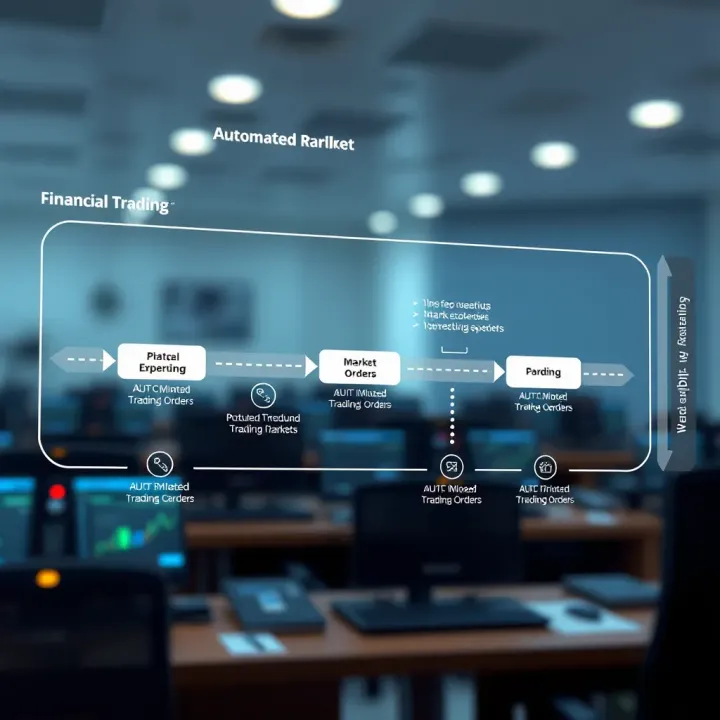
Explore how trading bots automate market moves using set rules to buy or sell 💼📈. Learn their benefits, risks, and tips on choosing bots for Kenyan financial markets.
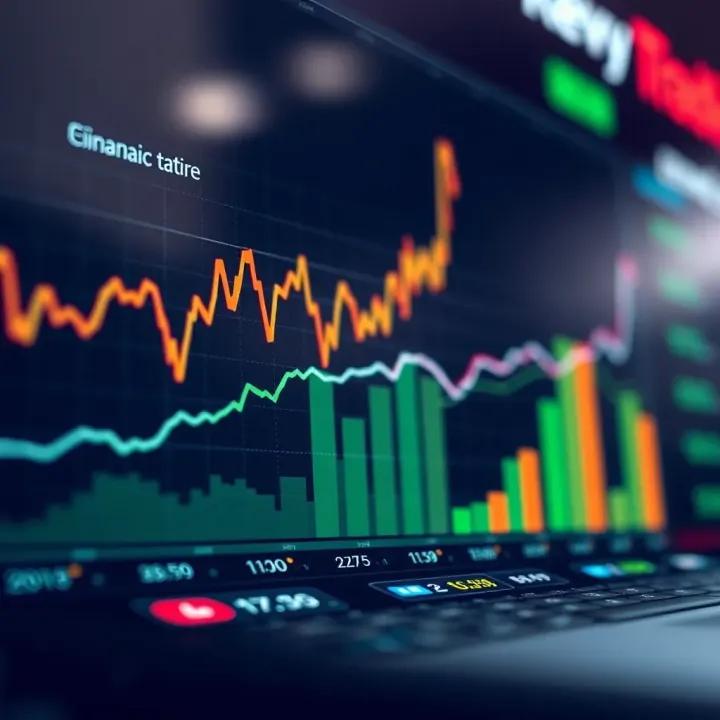
Discover how Maven Trading operates in Kenya's markets 📈, its investment role, key strategies, and what Kenyan investors must know before starting their journey 🌍.
📉 Discover practical trading signals for Kenyan traders! Learn how to interpret them to make smarter market moves and improve your trading strategies effectively.
Based on 14 reviews